contact@adhyyanbooks.com | +91-9986728203








All Case Studies

LAXIMUS BUSINESS VENTURES PRIVATE LIMITED
The Journey of Vaibhav Jain: From Enthusiastic Learner to Accomplished Author

Vaibhav Jain
Author of 'MLD - Moral Land of Duggu'
NON-FICTION
GENRE
121
NO. OF PAGES
Paperback
BINDING
Introduction
Vaibhav Jain—an enthusiastic learner, cyclist, and writer—hails from Delhi but is now settled in Bangalore. His life story is a blend of personal and professional growth, marked by a relentless drive for self-improvement. Professionally, Vaibhav has made significant strides in the pharmaceutical industry, where his work is geared toward the European market. This aligns with his robust academic foundation, which includes an MBA from IMT and a Diploma in International Marketing from NMIMS.
Vaibhav’s journey is defined by his ability to balance multiple facets of life while maintaining a passion for continuous learning. His enthusiasm is evident in his pursuits—from cycling and writing to his immersion in spirituality, which has become a cornerstone of his personal growth. Moving to Bangalore marked a new chapter in his life, where he deepened his understanding of self and the world around him.
Exploring spirituality has been a transformative experience for Vaibhav. It provided him with clarity and inner peace, enabling him to view challenges as opportunities for growth. This inner journey not only fueled his personal development but also ignited a creative spark that would eventually manifest in his writing.
Quote: “Spirituality taught me that the answers we seek often lie within us, not in the external world.”
Vaibhav’s ability to integrate his spiritual insights with his professional and creative endeavors showcases his multidimensional personality. His story serves as an inspiration to those striving to achieve harmony between their inner and outer worlds, proving that success is as much about personal fulfillment as it is about professional accomplishments.
“Spirituality taught me that the answers we seek often lie within us, not in the external world.”
A Journey Fueled by Spirituality
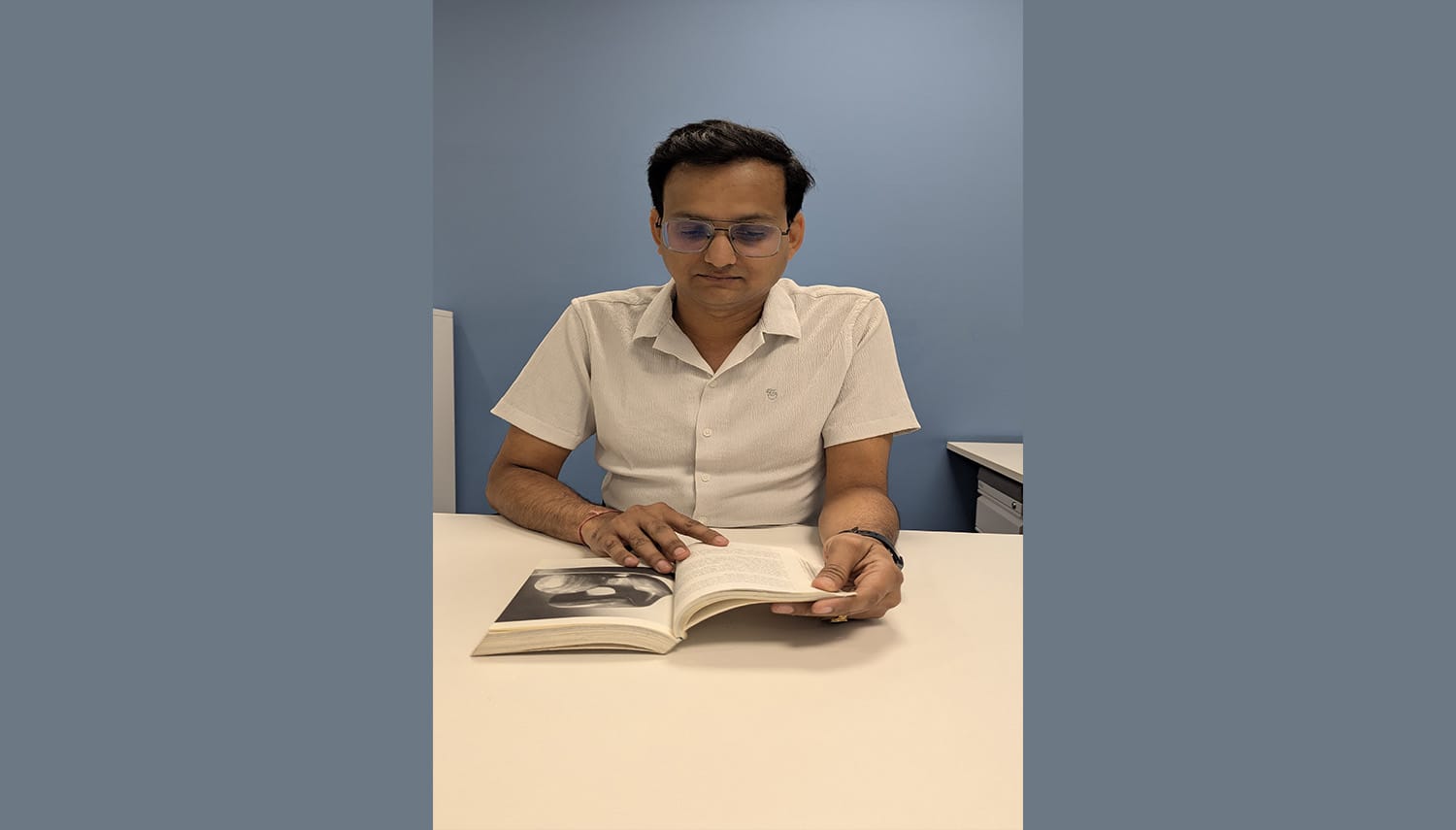
Vaibhav’s journey took a transformative turn as he delved deeper into spirituality, a phase that marked the beginning of profound self-discovery. This exploration was not just a personal retreat but an awakening to the infinite potential within. Through meditation, introspection, and connecting with the divine, he found the tools to navigate life's complexities with serenity and wisdom.
The decision to focus inward rather than seeking validation or solutions in the materialistic world unlocked a deeper understanding of his own existence. Vaibhav emphasizes that this period was pivotal in reshaping his approach to life. Instead of being overwhelmed by external challenges, he began to view them as opportunities for growth and learning. This shift in perspective helped him cultivate equanimity, aligning his mind, body, and soul in harmony.
Quote: “When you turn inward, you realize that the peace and happiness you’ve been chasing externally were always within you.”
This spiritual awakening didn’t just enrich his personal life; it became a driving force in his professional and creative endeavors. He attributes much of his clarity and creativity to the practices he adopted during this phase. Whether tackling challenges at work or penning down his thoughts as a writer, Vaibhav found that spirituality infused his efforts with purpose and resilience. His journey exemplifies how self-awareness and inner peace can transform not just an individual but also their contributions to the world around them.
“When you turn inward, you realize that the peace and happiness you’ve been chasing externally were always within you.”
Structuring the Journey
Vaibhav's passion for writing was seeded in 2001 when he first developed a deep connection with books. From Dickens and Tolstoy to contemporary authors like Amish Tripathi and Robin Sharma, he devoured literature across genres, filling notebooks with passages that moved him and ideas they sparked. Despite this growing passion, he struggled with a critical challenge: converting his ideas into coherent narratives that others would want to read.
In 2007, Vaibhav turned to diary writing as a systematic approach to developing his writing muscles. His first entries were simple recollections of daily events, but gradually evolved into deeper reflections. "Monday, May 14, 2007: Today I realized how my reaction to criticism reveals more about my insecurities than the critic's intention," reads one early entry that foreshadowed his future growth as a reflective writer.
For seven years, this daily practice continued without fail, even on his wedding day and during work trips abroad. He filled twelve notebooks with observations that would later become the emotional backbone of his stories. This disciplined approach helped him develop a distinctive voice and an eye for meaningful moments that might escape others.
"The habit of writing daily transformed my scattered thoughts into coherent narratives, preparing me for the journey of becoming an author."
These diaries became invaluable when he later began crafting stories. He could flip through pages to find authentic emotional reactions to situations similar to what his characters were experiencing. When describing Duggu's first day of school anxiety in MLD-2, Vaibhav drew directly from a diary entry about his own first day at a new office, translating adult nervousness into a child's perspective with remarkable authenticity.
“The habit of writing daily transformed my scattered thoughts into coherent narratives, preparing me for the journey of becoming an author.”
Fatherhood: A Catalyst for Creativity
Fatherhood reignited Vaibhav's suppressed desire to write when his son Vivaan was born in 2016. The pivotal moment came when three-year-old Vivaan, already showing signs of screen addiction, refused to sleep without watching cartoons. Concerned about this dependency, Vaibhav promised a bedtime story instead, having no idea this improvised solution would change his life's trajectory.
His first story was simple—a tale about a boy who makes friends with a lost puppy. Vivaan's rapt attention encouraged Vaibhav to continue. By the third night, he realized he needed a system to sustain this new tradition. He created a notes file on his phone titled "Vivaan's Stories," where he would jot down plot ideas throughout the day: observations from the park, interactions at Vivaan's preschool, or ethical dilemmas simplified for a child's understanding.
The character of Duggu emerged organically, initially as a stand-in for Vivaan himself. When Vivaan struggled with sharing toys during playdates, that evening's story featured Duggu learning about generosity. When Vivaan showed kindness to a house help's child, Duggu performed a similar good deed in that night's tale. The stories weren't just entertaining; they became a gentle parenting tool, reinforcing values through narrative rather than lectures.
"God always rewards faith and patience. My stories for my son turned into the blueprint for my journey as an author."
A breakthrough came when Vivaan began requesting specific Duggu stories—"Tell me again how Duggu helped the old man cross the road" or "I want to hear about Duggu's first day at school." Vaibhav realized he had created something that resonated deeply. He started documenting these stories more carefully, developing character profiles and interconnected plots. What began as improvised tales gradually formed the foundation of a coherent story world that would eventually become the MLD series.
“God always rewards faith and patience. My stories for my son turned into the blueprint for my journey as an author.”

The Birth of the MLD Series
The COVID-19 lockdown in March 2020 served as a catalyst for Vaibhav's writing career. With two hours saved daily from commuting, he dedicated this time to structuring his collection of Duggu stories. What started as digital notes transformed into manuscript drafts as he began categorizing stories by themes—honesty, kindness, courage, and perseverance.
His first serious attempt at crafting MLD-1 came after an honest conversation with Vivaan, now four years old: "Papa, why don't you write these stories in a book so other children can read them too?" This innocent suggestion propelled Vaibhav to action. He selected eight stories centered around basic values and spent weekends refining them, adding narrative consistency and age-appropriate language.
The manuscript development process was methodical. For each story, Vaibhav created a simple three-act structure: Duggu encounters a situation, faces a moral dilemma, and makes a choice that demonstrates a value. He tested these stories on Vivaan and his friends, noting which parts captivated them and which lost their attention, then revised accordingly. This real-time feedback from his target audience proved invaluable.
"MLD was not just a collection of stories; it was a journey of love, learning, and legacy, inspired by my bond with my son."
The first book took four months to complete. Vaibhav approached three publishing houses before deciding to self-publish to maintain creative control over the illustrations and moral messages. MLD-1 was released in September 2020, selling 500 copies in the first month primarily through word-of-mouth among parent groups and school networks. By MLD-5, his pre-order numbers had grown to 1,200 copies, confirming the series' growing appeal.
MLD-10, released in January 2024, marked a significant evolution in complexity. Rather than separate stories, it featured a single 30,000-word narrative about Duggu's school camping trip where he faces multiple challenges requiring ethical decision-making. The book sold 2,500 copies in its first week, demonstrating the series' established fan base and Vaibhav's growth as a storyteller.
“MLD was not just a collection of stories; it was a journey of love, learning, and legacy, inspired by my bond with my son.”
Challenges and Learnings
Vaibhav's journey from concept to successful series was fraught with obstacles that tested his resolve. The most immediate challenge came with his first manuscript submission to a traditional publisher, who replied with a blunt rejection: "The market for moral stories is saturated; your character lacks originality." Rather than abandoning his project, Vaibhav sought feedback from five teachers and fifteen parents, incorporating their suggestions to make Duggu more distinctive and relatable.
The editing process for MLD-1 revealed his inexperience. His first draft contained inconsistencies in Duggu's character—in one story he was shy, in another outgoing. The professional editor he hired charged him double the quoted price because of the extensive revisions needed. This costly lesson taught Vaibhav to create detailed character profiles before writing, ensuring consistency across stories.
Technical aspects presented another steep learning curve. For illustrations, Vaibhav initially hired a freelancer who disappeared after completing only three images and taking full payment. This ₹15,000 loss taught him to structure contracts with milestone-based payments. For MLD-2 onward, he partnered with an art school, giving students real-world experience while gaining affordable, quality illustrations.
Typesetting and formatting issues delayed MLD-1's publication by two months when the initial file was rejected by the printer for incorrect margins and resolution problems. Vaibhav spent three sleepless nights learning publishing standards and reformatting the entire manuscript himself, developing skills that proved valuable for subsequent books.
"No obstacles can hinder your journey if you have undisputed and un-doubtable faith in your goal."
Perhaps the most painful setback occurred when a well-established author, whom Vaibhav had asked to review his manuscript, dismissed the work as "amateur storytelling with heavy-handed morals." This criticism cut deeply, but instead of abandoning the project, Vaibhav enrolled in a three-month online creative writing course. He learned techniques for embedding values in narratives more subtly through character actions rather than explicit lessons, a skill that dramatically improved later books in the series.
“No obstacles can hinder your journey if you have undisputed and un-doubtable faith in your goal.”
The Evolution of Duggu
As the MLD series progressed, its central character, Duggu, matured in ways that reflected real childhood development, creating an authentic connection with young readers who grew alongside him. In MLD-1, eight-year-old Duggu was primarily concerned with immediate gratification and simple right-versus-wrong scenarios. By MLD-3, nine-year-old Duggu began questioning authority and showing curiosity about why rules exist, not just following them blindly.
This character evolution was deliberate and research-based. Vaibhav consulted child psychologists and developmental literature to ensure Duggu's growth mirrored actual cognitive and emotional milestones. When readers wrote to Vaibhav sharing how they related to Duggu's struggles with math homework (MLD-4) or his difficulty making friends after changing schools (MLD-6), it confirmed the character's authenticity.
MLD-7 marked a significant turning point, as ten-year-old Duggu faced more complex ethical dilemmas involving conflicting values. In one pivotal story, Duggu discovered his best friend cheating on a test. This scenario required navigating the tension between loyalty to a friend and commitment to honesty—a nuanced situation that resonated deeply with readers approaching their preteen years.
By MLD-10, eleven-year-old Duggu demonstrated remarkable growth in emotional intelligence and moral reasoning. He no longer saw rules as absolute but understood the principles behind them. His character had developed a strong internal compass that guided his decisions, even when they were difficult or unpopular. Reader feedback showed that children who had followed the series from the beginning felt a genuine connection to Duggu's journey, with parents reporting conversations about ethics and values sparked by the stories.
The sales figures reflected this evolution: while MLD-1 sold 3,000 copies in its first year, MLD-10 sold 12,000 copies, with many parents purchasing the entire series after discovering later volumes, indicating the strong character development had created genuine reader investment.
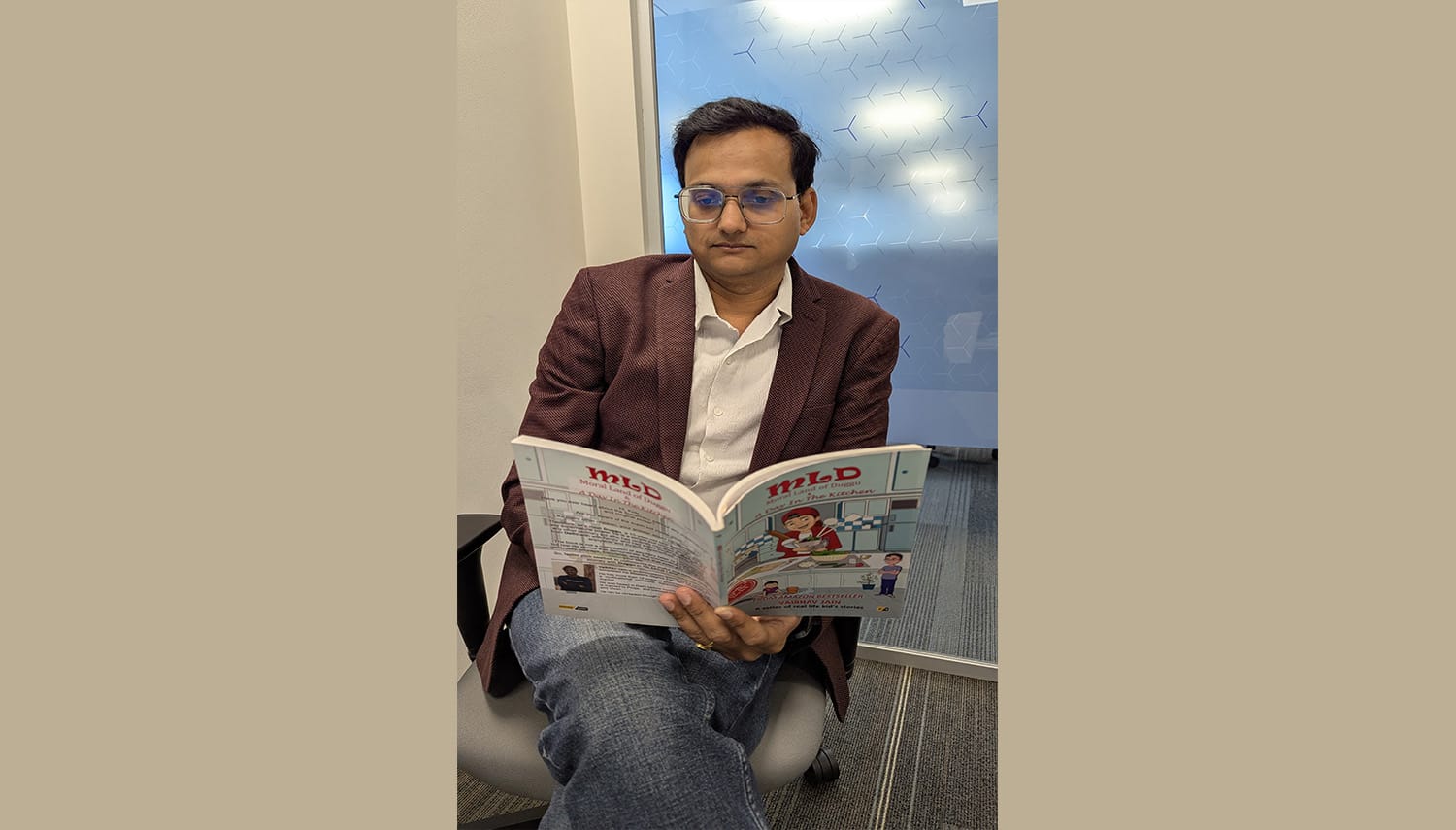
The Future Vision
Looking ahead, Vaibhav has mapped out an ambitious and structured plan for both the MLD series and his broader contribution to children's literature. Market research and reader feedback have convinced him there's significant demand for stories addressing the turbulent teenage years. The next phase of the MLD series will feature Duggu as a teenager, tackling issues like peer pressure, digital citizenship, identity formation, and first relationships—topics many parents struggle to discuss directly with their children.
MLD-11, scheduled for release in October 2025, will introduce fourteen-year-old Duggu navigating social media pressures and the conflict between authenticity and popularity. Vaibhav has already conducted focus groups with 50 teenagers to ensure the authenticity of Duggu's adolescent experiences and concerns.
Beyond writing, Vaibhav has launched a "Young Authors Initiative" in partnership with five Bangalore schools. This program guides students aged 10-15 through structured workshops on narrative development, character creation, and ethical storytelling. The first cohort of 50 young writers has already published an anthology of short stories, with three participants securing individual publishing contracts.
By 2030, Vaibhav aims to have mentored 1,000 young authors through this expanding program, creating a ripple effect of ethical storytelling. "Every child has unique experiences and perspectives," he explains. "By empowering them to share these through storytelling, we're creating a more empathetic generation."
"The degree of belief is directly proportional to the possibility of success."
The MLD series has attracted attention from animation studios, with Vaibhav in preliminary discussions to adapt the stories for streaming platforms. His vision includes interactive elements where viewers can explore different ethical choices and outcomes, extending the educational impact of Duggu's adventures.
These expansions all align with Vaibhav's core ABC philosophy:
1. Ambition: Create stories that entertain while building character
2. Belief: Trust that meaningful content will find its audience
3. Continuity: Commit to consistent creation and improvement
“The degree of belief is directly proportional to the possibility of success.”
Tips for Aspiring Writers: Crafting a Series Around a Central Character
For writers aspiring to create a series with a memorable central character, here are actionable steps inspired by Vaibhav Jain's journey with the Moral Land of Duggu (MLD) series:
Develop a Relatable Character: Begin with detailed character mapping, including strengths, flaws, fears, and aspirations. Duggu's popularity stemmed from his authenticity—he wasn't a perfect child but one who struggled, failed sometimes, and learned from mistakes. Vaibhav kept a separate journal just for Duggu's character development, adding new dimensions with each book. Create a character profile document with physical traits, personality, background story, likes/dislikes, and core values before writing your first story.
Plan a Character Arc: Chart your character's growth across multiple books. Vaibhav mapped Duggu's emotional and moral development year by year, ensuring each book reflected age-appropriate challenges and growth. Before starting MLD-3, for example, he interviewed parents about their nine-year-olds' common struggles, incorporating these insights into Duggu's experiences. Create a series timeline showing how your character will evolve, what lessons they'll learn, and how their worldview will expand with each installment.
Anchor Stories in Real Experiences: Maintain a "story seeds" journal where you record observations, conversations, and situations that could inspire authentic narratives. Vaibhav's most successful stories came from real incidents—Duggu's fear of public speaking in MLD-5 was inspired by Vivaan's struggle with a school presentation. When Vivaan resolved his anxiety by practicing in front of stuffed animals, this technique became Duggu's solution too, resonating with young readers facing similar fears.
Build Consistency with a Central Theme: Establish a unifying framework that connects individual stories. For the MLD series, Vaibhav created a "values matrix" ensuring each book addressed specific virtues while maintaining narrative variety. MLD-4 focused on perseverance through four different scenarios—academic challenges, sports competition, learning a new skill, and overcoming a fear—providing multiple perspectives on a single theme. Develop your own thematic framework to give your series coherence while allowing for creative diversity.
Adapt and Grow with Feedback: Create a systematic approach to gathering and implementing reader input. Vaibhav established a "Reader Advisory Panel" of 20 children who received advance copies and provided feedback through guided questionnaires. When panel members found a story in MLD-6 confusing due to too many characters, Vaibhav simplified it before publication. Consider creating beta reader groups or feedback mechanisms specific to your target audience.
Visualize the Endgame: Begin with clear series goals. Before publishing MLD-1, Vaibhav outlined a ten-book arc with specific character milestones and themes for each installment. This roadmap provided direction while allowing flexibility as the series developed. Draft a series prospectus outlining your vision, potential spin-offs, and possible multimedia adaptations to keep your project focused and expansive simultaneously.
“A character grows with their story, and the story grows with its audience. Craft a journey that resonates, inspires, and evolves.”
Conclusion
Vaibhav Jain's journey from a diary writer to the celebrated author of the MLD series exemplifies how passion, perseverance, and purposeful action can transform personal experiences into a meaningful creative legacy. What began as bedtime stories for his son has evolved into a literary series that has touched the lives of over 50,000 young readers across India, demonstrating the far-reaching impact of authentic storytelling.
The success of the MLD series—evidenced by consistent sales growth, an active online community of 15,000 "Duggu friends," and implementation in 30 school curricula—validates Vaibhav's approach of combining entertainment with values-based learning. His methodology of drawing from real-life experiences, focusing on character development, and seeking continuous feedback has created a blueprint for aspiring authors.
Vaibhav's story reminds us that significant achievements often stem from humble beginnings. His transformation from jotting notes on his phone to becoming an author whose work influences thousands of children underscores the power of consistent effort. Each diary entry, each bedtime story, and each draft became a building block in the foundation of his success.
For those aspiring to create meaningful content, Vaibhav's journey offers a powerful lesson: begin where you are, use what you have, and build on personal experiences. His mantra—"Keep learning and keep evolving"—has manifested not just in his character Duggu's growth across ten books, but in his own evolution from an enthusiastic reader to a purposeful author whose work shapes young minds and hearts.

Annual Membership Regular
Price Rs. 9980/-
(One-Time-Offer Only ₹499/-)
Unlock the secrets of Bestselling Authors
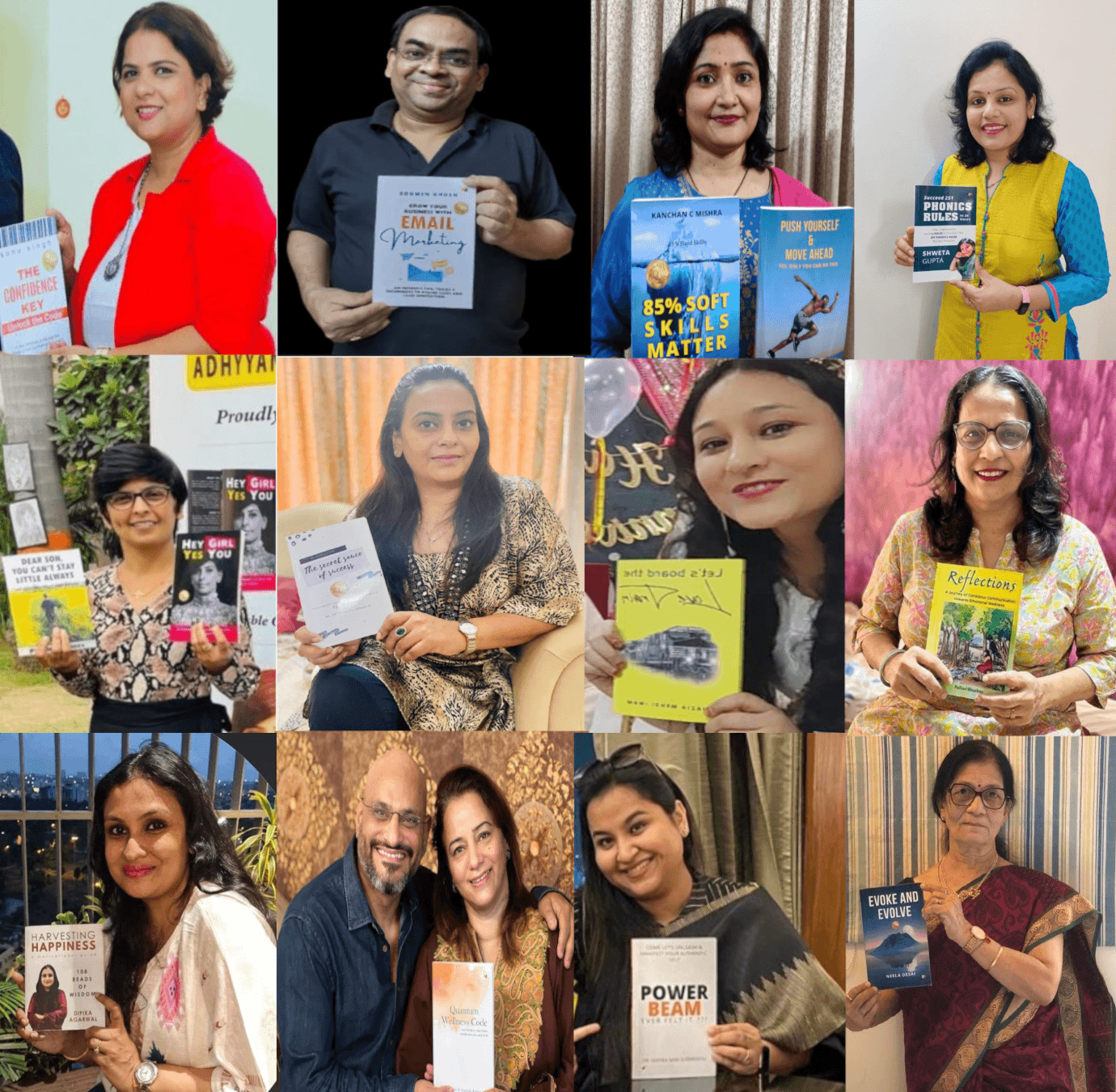
📘 Over 100 more case studies like these...
We Have Been Featured In..
 Unlock all case studies

All Case Studies

Followers
11000+

Followers
8439

Subscribers
11100+

Groups
500+
LAXIMUS BUSINESS VENTURES PRIVATE LIMITED