contact@adhyyanbooks.com | +91-9986728203









All Case Studies

LAXIMUS BUSINESS VENTURES PRIVATE LIMITED
Triumph Over Trauma: How Srabani Dalal Turned Cancer Into a Powerful Second Chance (And Shows You How to Face Your Own Battles)
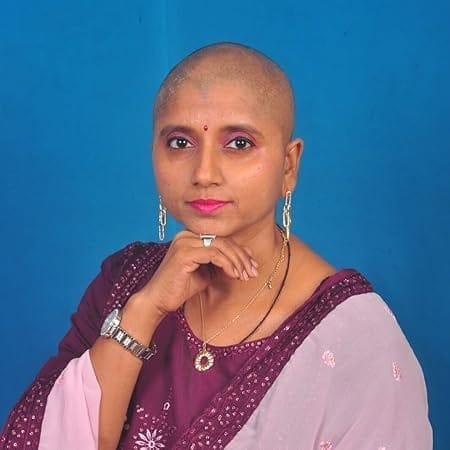
Srabani Dalal
NON-FICTION
GENRE
95
NO. OF PAGES
Paperback
BINDING
Introduction: When Crisis Becomes Opportunity
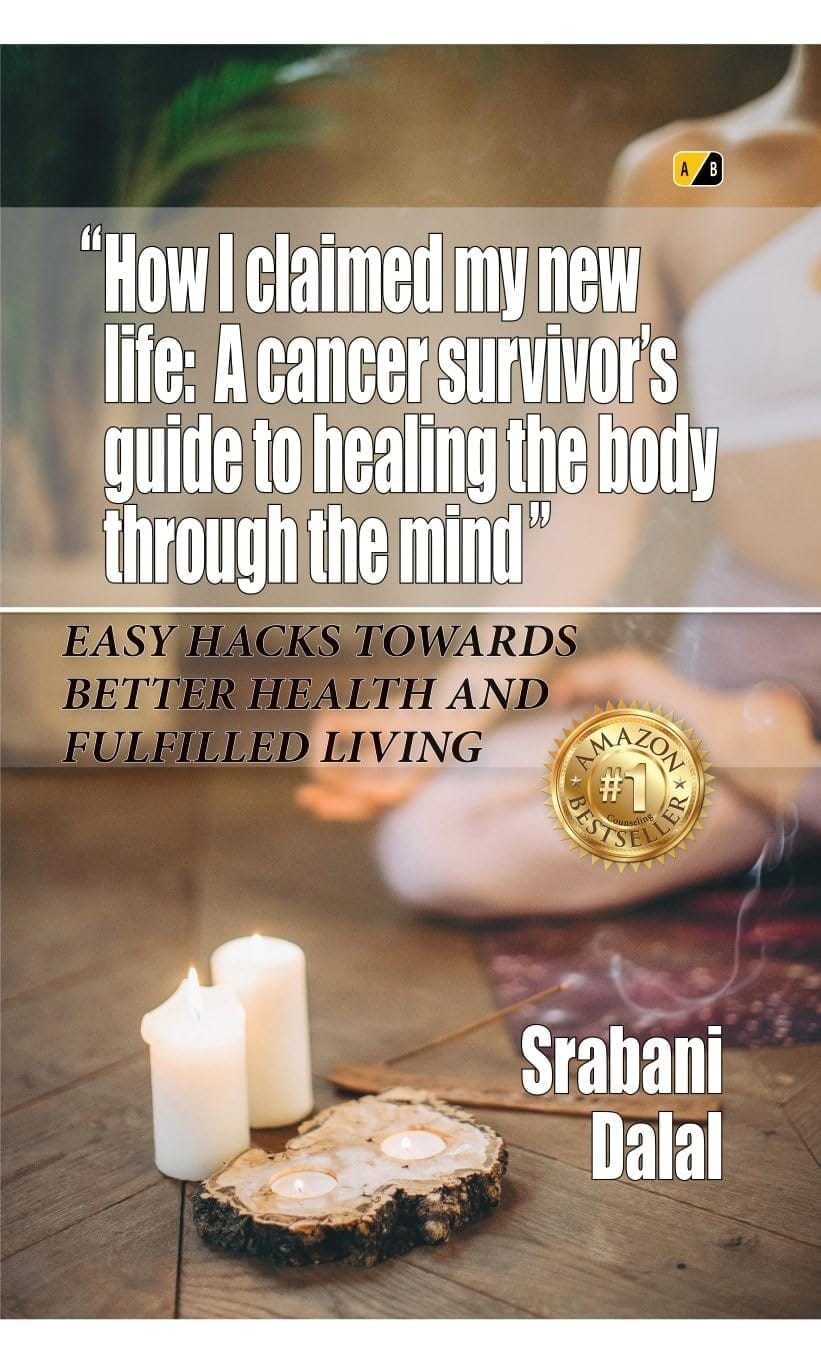
Life rarely follows our carefully planned scripts. For Srabani Dalal, what began as unexplained abdominal discomfort transformed into a life-altering ovarian cancer diagnosis—a moment that might have broken someone with less resilience. Instead, it became the catalyst for profound personal transformation and her bestselling book, "How I Claimed My New Life: A Cancer Survivor's Guide to Healing the Body Through the Mind."
As a sociologist and social development professional with years of experience in capacity building, Srabani possessed unique insights into human potential. But it was her personal battle with cancer that revealed the extraordinary connection between mind and body—a connection that would become the foundation of her healing journey and her mission to help others.
"Cancer is not the end; it is an opportunity to rebuild yourself with newfound strength," Srabani shares with quiet conviction. Her words aren't mere platitudes but hard-won wisdom from someone who has walked through fire and emerged transformed.
Her book offers more than just inspiration—it provides practical strategies for cancer patients, caregivers, and anyone facing life's overwhelming challenges. Through her story, Srabani demonstrates that our greatest struggles often contain the seeds of our most meaningful contributions to the world.
ACTION INSIGHT:
When facing any life challenge, large or small, take time to journal about both the difficulties and the potential growth opportunities it presents. Research shows that finding meaning in hardship significantly improves resilience. Ask yourself: "What might this experience be preparing me for? What strengths am I developing through this struggle?" Write down three positive possibilities that could emerge from your current challenge.
Foundations of Strength: Srabani's Life Before Authorship
Srabani's journey to becoming an author was built on a lifetime of service and a deep commitment to empowering others, particularly women facing social and economic barriers.
Born and raised in Odisha, India, she dedicated her professional life to social development and capacity building. As a Program Officer for the Odisha Tribal Empowerment & Livelihoods Programme (OTELP), she trained government teams in skills that would uplift vulnerable communities. This work gave her firsthand insight into the transformative power of education and skill development.
Her own life took an unexpected turn after marriage when she stepped away from her career—a common yet challenging transition for many women. This period of adjustment sparked deeper reflection on the sacrifices women make and the emotional toll of putting others' needs before their own.
"Women do so much for their families, yet financial independence and self-worth often remain a challenge," Srabani observed, recognizing patterns that would later become central to her understanding of holistic health.
Driven by this awareness, she pursued certification in self-development, creating a foundation for empowering women through training and mentorship. Little did she know that these skills—teaching others to overcome obstacles and rebuild confidence—would become essential to her own survival journey.
These experiences weren't just building her résumé; they were preparing her for a mission she couldn't yet imagine. Every workshop she led, every woman she mentored, and every challenge she navigated was quietly developing the wisdom and resilience she would need when facing her greatest challenge.
ACTION INSIGHT:
Create a "skills inventory" by listing abilities you've developed through work, hobbies, volunteer activities, and personal challenges. Then identify how these skills might serve you in unexpected ways during difficult times. For example, project management experience might help you organize a treatment plan, or communication skills could help you advocate for yourself during a health crisis. Your existing strengths are often more transferable than you realize.
The Moment Everything Changed: Confronting Cancer
Life-changing moments rarely announce themselves. For Srabani, what began as mild abdominal discomfort in early 2023 seemed too insignificant to warrant serious concern. Like many busy professionals, she dismissed the symptoms, attributing them to minor digestive issues that would resolve with home remedies.
"I kept telling myself it was nothing serious," Srabani recalls. "We often convince ourselves that pain will just go away if we ignore it long enough."
She turned to the internet for self-diagnosis—a common but potentially dangerous approach that delayed proper medical attention. When symptoms persisted and worsened, she finally sought professional care, leading to the devastating diagnosis of ovarian cancer.
The news hit like a physical blow. "My first reaction was complete disbelief," she shares. "Then came fear, then a wave of self-pity. Why me? What had I done to deserve this?"
These feelings, while natural, became the first challenge she needed to overcome. Through research and soul-searching, Srabani discovered something revolutionary: the potential connection between unresolved emotions and physical illness. Years of suppressed feelings—fear, guilt, resentment, and self-criticism—might have contributed to her condition.
This realization became a turning point. Rather than viewing cancer as just a physical battle, she began to see it as an opportunity for emotional healing and spiritual growth. "A cancer diagnosis doesn't define you; how you choose to fight does," became her mantra.
Instead of surrendering to fear, she made a conscious decision to approach her treatment with positivity and purpose. Each day became an opportunity to practice gratitude, mindfulness, and emotional healing alongside medical intervention. This holistic approach not only helped her cope with the challenges of treatment but would soon become the foundation of her message to others.
ACTION INSIGHT:
When facing a health crisis or major life challenge, create a "control inventory." Draw a circle and divide it into two parts: "Things I Can Control" and "Things I Cannot Control." List everything related to your situation in the appropriate section. Focus your energy exclusively on the items within your control (your attitude, treatment compliance, nutrition, etc.) and practice accepting the things you cannot control. Review and update this inventory weekly as circumstances change.
Crafting Hope: The Book's Essential Teachings
"How I Claimed My New Life" transcends the typical cancer memoir by offering a systematic approach to healing that integrates mind, body, and spirit. Srabani carefully structured her book to serve as both inspiration and practical guide.
The heart of her message centers on the mind-body connection—a concept supported by growing scientific evidence yet often overlooked in conventional treatment approaches. "Healing begins in the mind before it manifests in the body," Srabani explains, emphasizing that our thoughts and emotions significantly impact our physical wellbeing.
Her book introduces readers to several key principles:
The Emotional Root System: Srabani explains how unprocessed emotions can manifest as physical symptoms, creating a framework for readers to identify and address their own emotional patterns.
Acceptance as the First Step: Rather than denying reality or fighting against it, Srabani teaches the power of accepting circumstances as they are—not as surrender, but as the necessary foundation for effective action.
Practical Positivity: Moving beyond empty affirmations, the book offers specific exercises for cultivating genuine optimism even in the darkest moments.
The Caregiver's Journey: Recognizing that cancer affects entire families, Srabani provides guidance for those supporting loved ones through illness, addressing compassion fatigue and the importance of self-care.
Rebuilding Identity: Perhaps most powerfully, she addresses the challenge of redefining oneself after diagnosis, offering a roadmap for embracing a new identity that incorporates but isn't limited by illness.
Woven throughout these teachings are Srabani's own experiences, making complex concepts accessible through personal storytelling. Each chapter concludes with reflection questions and practical exercises, transforming passive reading into active healing work.
ACTION INSIGHT:
Practice the "emotional audit" technique Srabani describes in her book. Set aside 10 minutes daily to ask: "What am I feeling right now?" Name the emotion specifically (anger, fear, sadness, etc.) without judgment. Then ask: "Where do I feel this in my body?" Notice physical sensations. Finally ask: "What does this emotion need?" Sometimes it needs expression, sometimes compassion, sometimes action. This practice builds emotional awareness that can prevent stress from becoming chronic and potentially harmful.
From Patient to Published Author: The Writing Journey
Writing a book is challenging under ideal circumstances. Writing while undergoing cancer treatment required extraordinary commitment and resilience. For Srabani, the process became both therapeutic and purposeful.
"Each day I would write, even if just for fifteen minutes between treatments," she recalls. "Writing became my declaration that cancer would not define my future."
As her manuscript took shape, Srabani partnered with Adhyyan Books, whose team recognized the unique value of her perspective. Together, they refined her message while preserving the authentic voice that makes her story so compelling.
The book launch—a moment of triumph she had visualized throughout treatment—exceeded all expectations. Friends, family, medical professionals, and fellow cancer patients gathered to celebrate not just a book but a testament to human resilience.
"Writing this book was therapeutic. Every word was a step toward healing," Srabani reflects. The experience confirmed what many writers discover: that articulating our struggles often helps us process them more effectively.
Within days of release, "How I Claimed My New Life" achieved bestseller status—validation that her message was reaching those who needed it most. Each positive review and message from readers confirmed that her suffering had been transformed into something meaningful that could ease others' pain.
This success wasn't measured primarily in sales figures but in lives touched. "When a reader tells me they found hope through my words, that's success beyond anything I could have imagined," she says.
ACTION INSIGHT:
Start a "healing journal" today, even if you're not facing serious illness. Writing about difficult experiences for just 15 minutes daily has been scientifically proven to improve both mental and physical health outcomes. Begin with "Today I feel..." and write without editing or censoring yourself. No one else needs to read it—the healing happens in the expression itself.

Building Bridges: Srabani's Approach to Marketing with Meaning
For Srabani, marketing her book was never about self-promotion but about extending its healing reach to those who needed it most. She approached this challenge with the same authenticity that characterized her writing.
Understanding that cancer patients and caregivers often feel isolated, she created multiple touchpoints for meaningful connection:
Vulnerable Video Sharing: Rather than polished promotions, Srabani created simple, honest videos sharing aspects of her cancer journey, emotional healing techniques, and self-care practices.
Community-Building Live Sessions: Her live online sessions became virtual support groups where participants could ask questions and share their own experiences, creating community around shared challenges.
Strategic Professional Partnerships: Recognizing the importance of medical validation, she collaborated with healthcare providers and cancer support organizations to ensure her message complemented rather than conflicted with conventional treatment.
Platform-Specific Engagement: She tailored her approach across Instagram, Facebook, and LinkedIn, understanding that different platforms served different segments of her audience—from young cancer patients to medical professionals.
Reader-Centered Reviews: Instead of viewing reviews as marketing tools, she saw them as conversation starters, personally responding to readers and creating deeper connections.
This approach transcended typical book marketing to create a movement focused on emotional healing and resilience. By prioritizing genuine connection over commercial success, Srabani built a loyal community that continues to grow through word-of-mouth recommendations.
"Marketing shouldn't feel manipulative," she advises. "It's simply about finding the people who need your message and creating bridges to reach them."
ACTION INSIGHT:
Before sharing your story or expertise, create a "service map" by identifying: 1) Who specifically would benefit most from your knowledge, 2) Where these people naturally gather (online or offline), 3) What format would be most helpful to them (articles, videos, conversations), and 4) How you can provide value before asking for anything in return. This approach ensures your outreach feels helpful rather than promotional.
Beyond the Book: The Ripple Effect of Shared Wisdom
The publication of "How I Claimed My New Life" marked not an endpoint but a beginning. Its impact continues to ripple outward, touching lives in ways Srabani couldn't have anticipated.
For cancer patients, the book offers something medicine alone cannot provide—a roadmap for emotional healing alongside physical treatment. Many readers report finding renewed hope and practical coping strategies that complement their medical care.
Caregivers—often overlooked in the cancer conversation—have found validation and guidance for managing their own emotional health while supporting loved ones. "Taking care of yourself isn't selfish; it's necessary," Srabani reminds them, addressing the guilt many experience when attending to their own needs.
Healthcare professionals have begun incorporating aspects of Srabani's approach into their patient communications, recognizing the value of addressing emotional wellbeing alongside medical intervention.
For Srabani herself, the book has opened doors to speaking engagements, workshops, and collaborations with healthcare organizations. She now conducts regular sessions on emotional resilience and holistic healing, extending her impact beyond the written word.
"If my journey can help even one person fight their battle with courage, my purpose is fulfilled," she says. Yet the evidence suggests her influence reaches far beyond a single life, creating a community of mutual support and shared wisdom.
Perhaps most profound is the book's impact on those not directly affected by cancer but struggling with other life challenges. Its principles of resilience and emotional healing transcend specific diagnoses to offer universal lessons in human strength.
ACTION INSIGHT:
Consider how your personal challenges might benefit others. Create a "wisdom inventory" by listing three difficult experiences you've overcome and what you learned from each. Then identify one specific way you could share these insights—through a conversation, social media post, support group contribution, or mentoring opportunity. Our greatest struggles often contain our most valuable gifts to others.
Guiding Lights: Srabani's Advice for Future Authors
When asked what guidance she would offer aspiring authors, especially those writing from personal experience, Srabani offers wisdom that applies equally to writing and to life:
Write from Authentic Experience: "Your story has the power to change lives, but only if it's genuinely yours," she advises. "Don't write what you think others want to hear; write your truth, however messy or imperfect."
Embrace Discipline: "Writing requires consistency, not perfection," Srabani emphasizes. "I wrote through fatigue, through treatment side effects, through emotional storms. Set a sustainable schedule and honor it as a commitment to yourself and your readers."
Seek Meaningful Feedback: "Not all opinions matter equally," she notes. "Find readers who represent your intended audience and listen carefully to their responses. What resonates? What confuses them? What moves them emotionally?"
Release Fear of Judgment: "Your story is uniquely yours. Some will connect with it deeply; others won't—and that's perfectly fine," Srabani reassures. "Write for those who need your specific message, not for universal approval."
Think Beyond Publication: "A book is not just pages; it's a movement," she explains. "From the beginning, envision how your words might create change beyond the reading experience itself."
Perhaps most importantly, she encourages writers to recognize the healing potential in the writing process itself. "Writing my story helped me process and integrate my experience," she reflects. "The book became a gift to myself before it ever reached another reader."
ACTION INSIGHT:
Begin your writing journey today with a "tiny habits" approach. Commit to writing just 50 words daily about something meaningful to you—a challenge you've faced, a lesson you've learned, or an insight you've gained. Don't worry about quality or structure; focus only on consistency. After 30 days, review what you've written to identify themes and insights that might form the foundation of a larger work.
Conclusion: The Courage to Transform Pain into Purpose
Srabani Dalal's journey from cancer patient to bestselling author exemplifies the remarkable human capacity to find meaning in suffering and to transform personal pain into collective healing.
Her story reminds us that our greatest challenges often contain unexpected gifts—not because suffering itself is good, but because our response to it can create ripples of positive change that extend far beyond our individual experience.
"How I Claimed My New Life" stands as testament to the power of integrating physical, emotional, and spiritual healing. By sharing her vulnerability alongside her strength, Srabani has created more than a book—she has created permission for others to embrace their full healing journey.
As she continues her work through speaking, workshops, and individual mentoring, Srabani embodies the message at the heart of her writing: that we are more than our diagnoses, more than our challenges, and more than our fears.
"Your journey matters," she reminds readers and audiences. "Share it, own it, and inspire others along the way."
In a world that often encourages us to hide our struggles and present only our successes, Srabani's courage in revealing both vulnerability and triumph offers a different path—one where authenticity becomes the foundation for genuine connection and collective healing.
Her ongoing work reminds us that authorship is not merely about putting words on paper but about catalyzing meaningful conversations that might otherwise remain unspoken. In this way, her book continues to claim new life with each reader who finds hope within its pages.
ACTION INSIGHT:
Consider creating a "purpose statement" that connects your personal challenges to how you might serve others. Complete this sentence: "Because I have experienced ____________, I am uniquely positioned to help others by ____________." Post this statement where you'll see it daily as a reminder that your difficulties may become the source of your most meaningful contributions.

Annual Membership Regular
Price Rs. 9980/-
(One-Time-Offer Only ₹499/-)
Unlock the secrets of Bestselling Authors
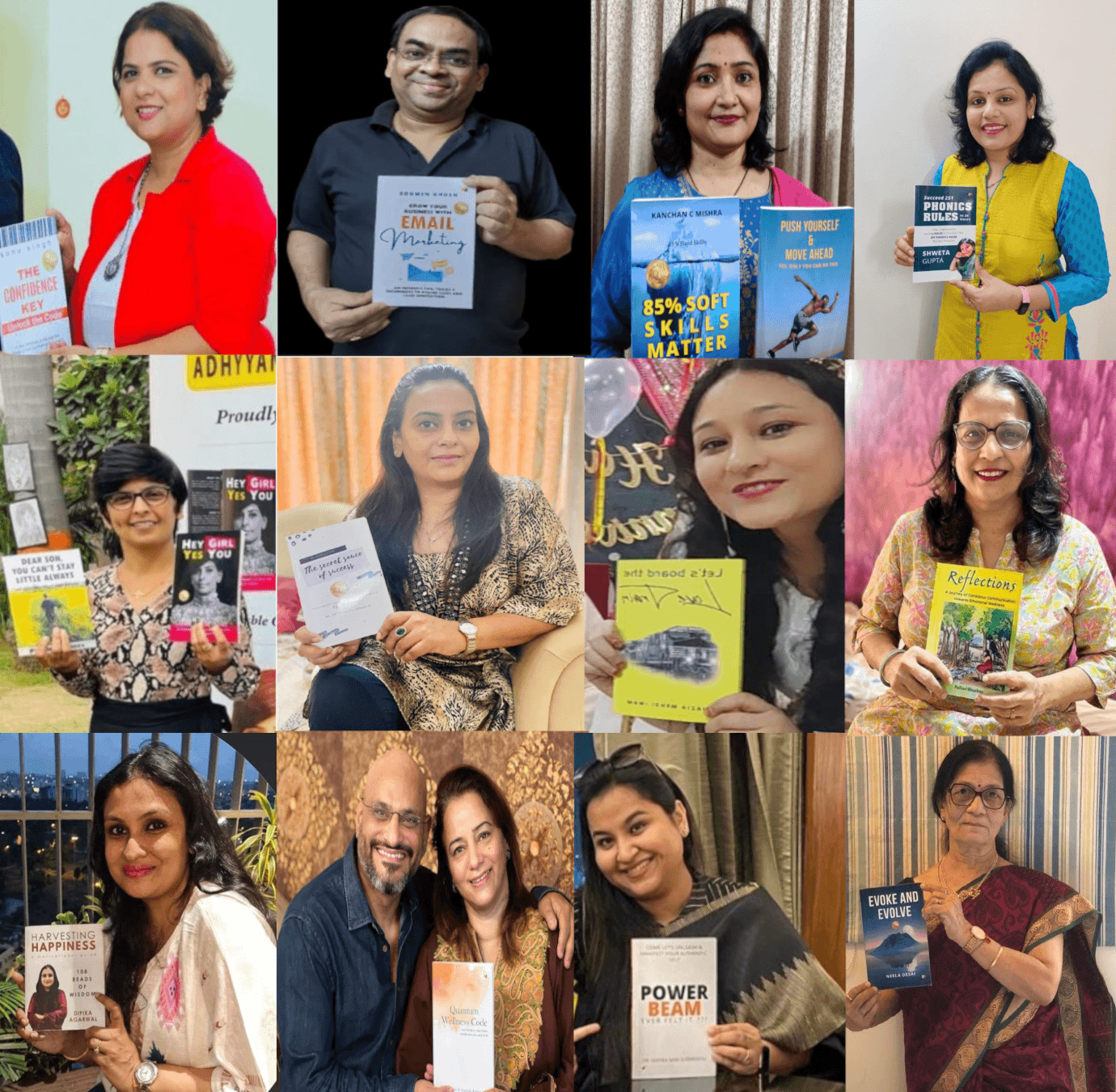
📘 Over 100 more case studies like these...
We Have Been Featured In..
 Unlock all case studies

All Case Studies

Followers
11000+

Followers
8439

Subscribers
11100+

Groups
500+
LAXIMUS BUSINESS VENTURES PRIVATE LIMITED