contact@adhyyanbooks.com | +91-9986728203









All Case Studies

LAXIMUS BUSINESS VENTURES PRIVATE LIMITED
The Battlefield at Home: How One Army Wife's Story Is Inspiring Thousands
Sangeeta Shende Kadam
NON-FICTION
GENRE
267
NO. OF PAGES
Paperback
BINDING
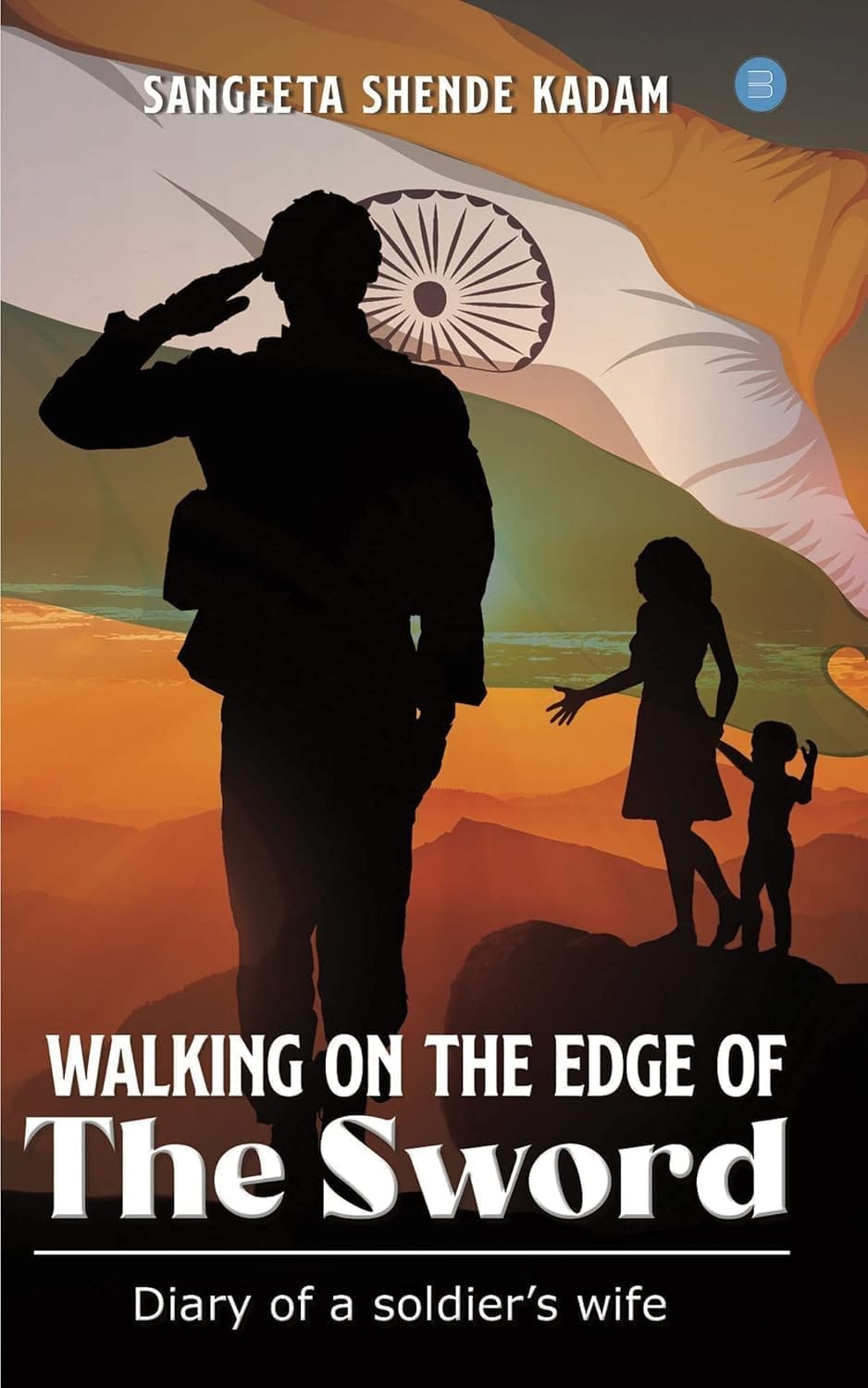
In a world where soldiers are celebrated for their bravery on the battlefield, another kind of courage often goes unnoticed—the quiet strength of those who wait at home. Sangeeta Shende Kadam's bestselling book, "Walking on the Edge of the Sword: Diary of a Soldier's Wife," pulls back the curtain on this hidden world, giving voice to the unsung heroes who fight their own battles far from the frontlines.
"A soldier fights at the border, but his wife fights a silent war at home," writes Sangeeta, capturing the essence of her powerful 267-page journey that has touched the hearts of thousands of readers across the country. Her story isn't just moving—it's revolutionizing how we understand military families and the true meaning of service to one's country.
Introduction: The Unseen Battlefield
When we think of war, we picture soldiers in uniform, weapons in hand, defending the nation at the borders. Rarely do we consider the emotional battlegrounds that exist in the homes they leave behind. Sangeeta Shende Kadam's "Walking on the Edge of the Sword" changes that narrative completely.
As both an accomplished educator and the wife of an army officer, Sangeeta brings a unique perspective to her writing. Her book isn't just a personal diary—it's a window into the lives of thousands of women who stand firmly behind their soldier husbands, fighting invisible battles of uncertainty, loneliness, and constant adaptation.
"I wanted to show the world that patriotism isn't just about fighting on the battlefield. Sometimes, it's about fighting the demons of worry at home while putting on a brave face for your children," Sangeeta explains, her voice carrying the calm confidence of someone who has weathered many storms.
ACTION INSIGHT:
Look beyond the uniform. The next time you meet a military family, acknowledge both the soldier and their spouse. A simple "Thank you for your family's service" recognizes the collective sacrifice they make. Military families often feel invisible—your recognition can be the light they need during dark times.
Life Before Authorship: Balancing Multiple Worlds
Before her book captured national attention, Sangeeta was already living a life of extraordinary balance. As an educator, she shaped young minds through literature and language. As a writer, she contributed thoughtful pieces to newspapers and magazines in three languages—Hindi, Marathi, and English. As an army wife, she managed a household that was constantly in motion, relocating whenever duty called.
"Every few years, we would pack up our entire lives and start fresh in a new city, sometimes in places where I didn't speak the local language," Sangeeta recalls with a smile that hints at both the challenges and adventures of that lifestyle. "Each move meant new schools for the children, new friends to make, new communities to integrate into—all while wondering if my husband was safe."
Despite these challenges, Sangeeta found purpose in empowering other women, particularly young army wives who were just beginning their journeys. She created informal support networks at each posting, organizing everything from book clubs to skill development workshops. "When you're an army wife, your strength isn't just your own—it belongs to the community," she shares.
This rich tapestry of experiences didn't just prepare Sangeeta for authorship—it made her story authentic, relatable, and urgently necessary.
ACTION INSIGHT:
Build your support network before you need it. Whether you're in a military family or civilian life, creating connections in new environments should be a priority, not an afterthought. Join local groups, volunteer, or start simple gatherings around shared interests. These connections become your foundation when challenges arise.
The Inspiration Behind "Walking on the Edge of the Sword": Finding Light in Darkness
The spark for Sangeeta's book came during one of the darkest periods in recent military history—the Kargil War. With her husband deployed at the border, news reports became both a lifeline and a source of terror.
"I would watch the television with my heart in my throat, scanning every report for glimpses of his unit, dreading the sound of the doorbell because it might be someone coming with news no wife wants to hear," Sangeeta reveals, the memory still fresh despite the years that have passed.
During this period, she began journaling as a way to process her fears and hopes. What started as private thoughts on paper gradually evolved into a more structured narrative as she recognized patterns in her experience that echoed those of other military spouses:
The weight of maintaining normalcy for children while carrying immense personal worry
The challenges of making critical family decisions alone
The pride mixed with fear when watching news coverage of conflicts
The art of celebrating holidays and milestones despite absences
The delicate balance of being both mother and father during deployments
"I realized that while the country knew about the courage of our soldiers, few understood the courage it takes to be the one who stays behind," Sangeeta explains. "Every time I shared snippets of my writing with other army wives, I saw recognition in their eyes—sometimes tears, sometimes relief that someone was finally telling their story too."
This recognition became her driving force. Beyond personal catharsis, Sangeeta's writing became a mission to bring visibility to military families and bridge the gap between civilian understanding and military reality.
ACTION INSIGHT:
Transform your struggles into strength for others. Keep a journal during difficult periods—not just recording events, but your feelings about them. Review it later to identify insights that might help others facing similar challenges. Your hardest moments often contain the wisdom someone else desperately needs.
The Writing Journey: From Private Pain to Public Inspiration
Translating deeply personal experiences into a book meant for public consumption wasn't easy for Sangeeta. The process took nearly three years, with many moments of doubt and hesitation along the way.
"There were days when I questioned everything—whether I was being too vulnerable, whether anyone would care about these stories, whether I had the right to speak for other army wives," she admits. "The turning point came when my husband read an early draft. He had tears in his eyes and said, 'This isn't just your story; it's our story. And it needs to be told.'"
With renewed conviction, Sangeeta developed a disciplined writing routine, carving out early morning hours before her teaching responsibilities began. She integrated feedback from a small circle of trusted readers—including several veteran army wives whose experiences spanned decades of military life.
"The writing itself was healing," Sangeeta reflects. "I revisited moments of intense fear, like when my husband's unit was deployed during heightened border tensions, but I also rediscovered moments of incredible joy—the reunions, the pride when he received commendations, the unique bond our family developed through all the challenges."
Her approach to the book was methodical yet deeply emotional:
She organized her journals chronologically, identifying key moments that represented universal military family experiences
She conducted informal interviews with other army wives, incorporating their perspectives to create a more comprehensive picture
She balanced personal anecdotes with factual information about military life and traditions
She worked with sensitivity readers to ensure she portrayed military protocols accurately
She deliberately included moments of humor and joy alongside the challenges, presenting a complete picture of military family life
"The hardest chapter to write was about supporting my children through their father's absences—explaining why he couldn't attend their school functions or birthdays, helping them understand the importance of his work while acknowledging their very real sense of loss," Sangeeta says, her voice softening. "But those stories needed to be told most of all."
ACTION INSIGHT:
Honor your story's complexity. When writing about difficult experiences, resist the urge to simplify or focus only on the positive. Include the full spectrum—the fear alongside the courage, the loss alongside the growth. This honesty creates authentic connection with your audience and validates others with similar experiences.
Reader Impact and Reception: Creating a Movement
When "Walking on the Edge of the Sword" was first published, Sangeeta hoped it might reach other military families. She never anticipated the wave of response that followed. Within months, the book became a bestseller in its category, with readers from both military and civilian backgrounds.
"The messages started coming in almost immediately," Sangeeta shares with wonder still evident in her voice. "Military wives thanking me for putting words to feelings they'd carried silently for years. Parents of soldiers saying they finally understood what their daughters-in-law were experiencing. Young people considering military marriages who felt better prepared after reading the book."
Perhaps most surprisingly, the book found an audience among corporate leaders and professional organizations, who recognized parallels between military resilience and workplace challenges. Sangeeta began receiving invitations to speak at leadership conferences about adaptability, emotional strength, and supporting teams through uncertainty.
The impact extended beyond emotional response to practical action:
Several military bases established more robust family support programs after commanders read the book
A major university incorporated excerpts into their psychology curriculum on resilience and coping mechanisms
A national women's organization created a scholarship fund for educational pursuits of military spouses, named in honor of the book
Local community groups across the country initiated "military family appreciation" events
Several readers were inspired to start local support groups specifically for children of deployed personnel
"What moves me most," Sangeeta reflects, "is hearing from young army wives who tell me they keep the book on their nightstand and read a chapter whenever they feel alone or overwhelmed. That's when I know the book has become exactly what I hoped—a companion for those walking this unique path."
ACTION INSIGHT:
Create connection through shared experiences. Identify groups who might benefit from hearing about your challenges and how you overcame them. Offer to speak at community events or write articles for relevant publications. Personal stories build bridges of understanding where facts and statistics cannot reach.

Marketing and Outreach: Spreading the Message of Resilience
Unlike many first-time authors, Sangeeta approached her book's marketing with the same strategic thinking she had applied to creating military family support networks. Rather than focusing solely on sales, she concentrated on reaching the audiences who needed her message most.
"I wanted the book to find its way into the hands of every military spouse feeling isolated, every civilian wanting to better support military families, and every young person considering life with someone in uniform," she explains.
Her grassroots approach included:
Partnering with military family support organizations to host reading groups
Creating a dedicated social media presence where she shared additional stories and resources
Developing a simple website where readers could submit their own experiences
Conducting virtual book discussions with military bases across the country and abroad
Offering special editions to military family resource centers
Creating a discussion guide that book clubs could use to explore the themes
Collaborating with military-focused podcasts and online publications
Organizing writing workshops for military spouses to tell their own stories
"The most effective marketing wasn't really marketing at all—it was connection," Sangeeta notes. "When readers feel truly seen and understood, they become your most powerful advocates."
This authentic approach paid dividends. Without a major publisher or publicity budget, "Walking on the Edge of the Sword" found its audience through word-of-mouth recommendations. Military chaplains began suggesting it to families under their care. Veteran organizations included it in care packages for new military spouses. Book clubs across the country selected it for their reading lists.
"Success for me isn't measured in sales figures," Sangeeta says firmly. "It's measured in the messages I receive from readers who no longer feel alone in their journey."
ACTION INSIGHT:
Focus on service over sales. When promoting your work or ideas, consider who would benefit most from your message rather than who might pay the most for it. Develop specific outreach strategies for these key audiences. When you solve real problems or meet genuine needs, word spreads naturally and authentically.
Advice for Aspiring Authors: Finding Your Unique Voice
Having navigated the journey from private journaling to published author, Sangeeta now mentors other writers, particularly those with important stories that might otherwise go untold. Her guidance is practical and heartfelt:
"Write because you have something to say, not because you want to be an author," she advises. "The most powerful books come from authentic experiences and genuine passion to share insights that might help others."
For those specifically writing about personal experiences, she offers these tested strategies:
Start with what hurts or inspires the most—strong emotions create compelling narratives
Find the universal in your unique experience—the points where your story touches common human themes
Write first for clarity and truth, then edit for style and structure
Seek feedback from both those who share your experience and those completely outside it
Be willing to reveal vulnerability—it's where readers connect most deeply with your story
Protect your writing time as sacred, even if it's just 30 minutes several times a week
Remember that your perspective matters, especially if it's one rarely represented in literature
"Many aspiring writers get stuck thinking their stories aren't important enough or that they lack the credentials to write with authority," Sangeeta observes. "But lived experience is its own authority. No one can tell your story the way you can, and someone out there needs exactly your perspective."
She particularly encourages women to document their experiences, noting that throughout history, women's perspectives have often been minimized or overlooked entirely.
"When I began writing, I worried that the daily realities of life as an army wife might seem too ordinary for a book," she admits. "What I discovered is that ordinary lives, especially those lived under extraordinary circumstances, contain profound wisdom when examined thoughtfully."
ACTION INSIGHT:
Start your story today with a "seed bank." Begin capturing meaningful moments, insights, and experiences in a dedicated notebook or digital file. Don't worry about organization or quality initially—just collect the raw material of your life. Review these seeds regularly, looking for patterns or themes that might grow into larger writing projects. Remember, the stories that feel most personal to you often have universal appeal.
Conclusion: The Ripple Effect of One Woman's Courage
Five years after its publication, "Walking on the Edge of the Sword" continues to create ripples of change. What began as one woman's attempt to make sense of her challenging life has evolved into a movement celebrating the quiet courage of military families everywhere.
Sangeeta Shende Kadam no longer teaches in a traditional classroom, but her lessons reach far more students than ever before. Through her writing, speaking engagements, and mentorship of other military spouses, she continues to illuminate the critical role of families in national service.
"The sword has two edges," Sangeeta reflects, explaining the metaphor in her book's title. "One edge is the soldier who faces external threats. The other edge is the family who battles the internal challenges of separation, worry, and constant adaptation. Both edges must be sharp for the sword to be effective."
This understanding has begun to influence military policy, with increased resources being allocated to family support services and greater recognition of the sacrifices made by military spouses and children. Several military leaders have credited Sangeeta's book with shifting their perspective on family resilience as a component of national security.
For Sangeeta personally, the journey continues. She is currently working on a companion volume focused specifically on military children—the "third edge of the sword" as she calls them—whose unique experiences and strengths deserve their own spotlight.
"What I've learned through this entire experience is that our stories matter—not just for ourselves, but for everyone who might walk a similar path in the future," she concludes. "When we share our truth, we create maps for others to follow, lighthouses that guide them through their own storms."
In a world that often celebrates only the most visible acts of heroism, Sangeeta Shende Kadam has succeeded in redirecting our attention to the quiet courage that sustains it—the love, sacrifice, and unwavering commitment of those who serve without uniforms. And in doing so, she has helped us all see patriotism and service in a richer, more complete light.
ACTION INSIGHT:
Be the lighthouse. Identify what unique knowledge or experience you've gained through life's challenges. Find one small way to share this wisdom with others this week—whether through conversation, social media, community involvement, or creative expression. Your lived experience is a valuable resource that can guide others through similar journeys. When we illuminate the path for others, we also bring greater meaning to our own struggles.

Annual Membership Regular
Price Rs. 9980/-
(One-Time-Offer Only ₹499/-)
Unlock the secrets of Bestselling Authors
📘 Over 100 more case studies like these...
We Have Been Featured In..
 Unlock all case studies

All Case Studies

Followers
11000+

Followers
8439

Subscribers
11100+

Groups
500+
LAXIMUS BUSINESS VENTURES PRIVATE LIMITED