contact@adhyyanbooks.com | +91-9986728203








All Case Studies

LAXIMUS BUSINESS VENTURES PRIVATE LIMITED
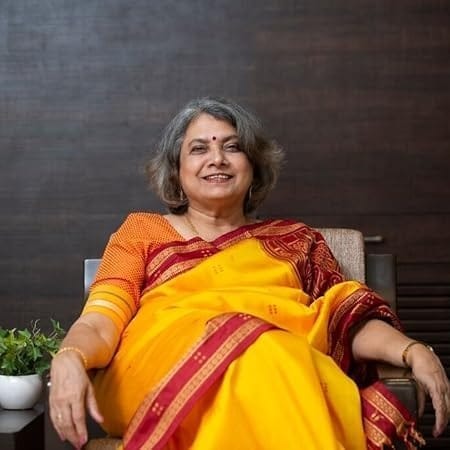
The Freedom Fighter: Purna Jitu Mehta's Revolution Against Relationship Stigmas
Purna Jitu Mehta
NON-FICTION
GENRE
170
NO. OF PAGES
Paperback
BINDING
"When are you getting married?" "Still single? Don't worry, you'll find someone." "Don't you get lonely?"
For millions of single people worldwide, these well-meaning but exhausting questions are a constant reminder of society's unspoken rule: being paired up is the only path to happiness and fulfillment.
But what if everything we've been taught about singlehood is wrong?
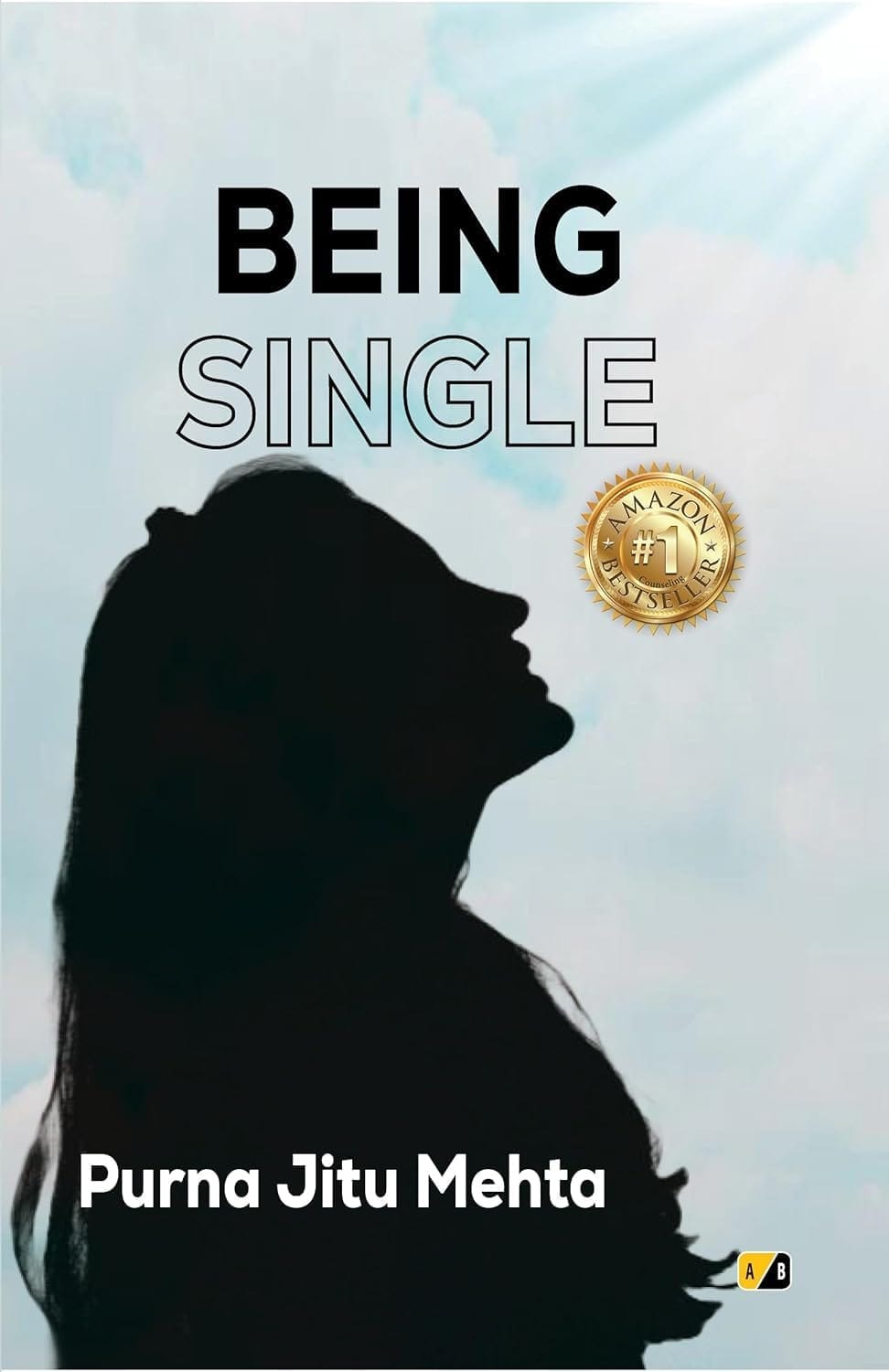
This is the revolutionary question at the heart of Purna Jitu Mehta's groundbreaking book, "Being Single"—a 170-page manifesto that's changing how people view solo living across the world.
"Being single is not a limitation but an opportunity to grow, learn, and embrace self-love," explains Purna, whose powerful perspective has sparked a movement of individuals reclaiming their relationship status as a position of power rather than lack.
In a culture obsessed with finding "the one," Purna's message offers a refreshing alternative: what if you already are "the one" you've been waiting for?
Introduction: Reframing the Single Narrative
What does it truly mean to be single in today's world? Is it merely the absence of a romantic partner, or could it be something far more meaningful—a deliberate choice to prioritize self-discovery, personal growth, and authentic living?
These are the questions Purna Jitu Mehta addresses with remarkable clarity in her thought-provoking book, challenging the outdated notion that life begins only after finding a partner.
"We've been conditioned to see singlehood as a waiting room for 'real life' to begin," Purna explains, her voice carrying the quiet confidence of someone who has found peace in her own journey. "But what if it's not a waiting room at all? What if it's a garden where you can flourish on your own terms?"
As both a successful fashion entrepreneur with over 20 years of experience and a life coach dedicated to empowering individuals, Purna brings a uniquely qualified perspective to this topic. Her approach isn't about rejecting relationships altogether—it's about removing the societal pressure that forces people into partnerships before they're ready, or when those partnerships don't serve their highest good.
"The problem isn't relationships," she clarifies. "The problem is the myth that we are somehow incomplete without them."
In "Being Single," Purna weaves together personal anecdotes, sociological insights, and practical wisdom to create a roadmap for those navigating life on their own—whether by choice, by circumstance, or by a combination of both. The result is a compassionate yet empowering guide that has readers nodding in recognition on one page and questioning their deepest assumptions on the next.
"I wanted to write the book I needed when I was younger," Purna shares. "Something that said, 'You're not broken. You're not failing. You're exactly where you need to be right now.'"
ACTION INSIGHT:
Start a "Societal Pressure Log" to become aware of subtle and overt messages pushing you toward relationships. For one week, note every comment, advertisement, movie scene, or social media post implying that being single is a problem to solve rather than a valid life choice. Don't judge these messages—just become aware of their frequency and effect on your mindset. This awareness alone often weakens their influence and helps you respond from a place of confidence rather than defensiveness.
The Pre-Author Life: Building the Foundation for Authentic Living
Long before Purna Jitu Mehta became an author championing the single life, she was living it—navigating its unique challenges and discovering its hidden gifts through a journey that prepared her to speak with genuine authority on the subject.
As a fashion designer and entrepreneur, Purna built a successful career spanning two decades, developing the self-reliance and decision-making confidence that would later inform her perspective on singlehood.
"My career taught me that I could create beautiful things on my own terms," she reflects. "That same principle applies to creating a beautiful life—it doesn't require someone else's approval or participation to be valid and fulfilling."
Throughout her professional journey, Purna observed a pattern among many of her clients and colleagues: accomplished individuals who thrived in their careers but felt somehow "less than" because they hadn't achieved the relationship milestone society expected of them.
"I would see these incredible women—CEOs, doctors, artists—apologize for being single, as if their remarkable achievements counted for nothing without a wedding ring," Purna recalls with a hint of frustration. "Something is deeply wrong when we've created a culture where success in every other area of life is overshadowed by relationship status."
This observation sparked Purna's transition into life coaching, where she began helping individuals—particularly women—reclaim their sense of wholeness and worth independent of their relationship status. Her coaching practice became a laboratory where she refined the concepts that would eventually form the backbone of her book.
"What I discovered through coaching was that singlehood isn't just about not having a partner—it's an identity in itself, with its own unique advantages, challenges, and opportunities for growth," she explains. "When we stop seeing it as a temporary state to escape from, we can actually embrace it as a powerful platform for self-discovery."
Purna's own experience with societal pressure around relationships provided firsthand insight into the subtle and not-so-subtle ways single people are made to feel inadequate. From family gatherings where her accomplishments were overshadowed by questions about her love life to social events where seating arrangements assumed everyone would be part of a couple, she experienced the thousand small cuts that single people endure in a couple-oriented world.
Rather than becoming bitter, these experiences fueled her determination to change the narrative around singlehood—not just for herself, but for everyone struggling under the weight of relationship expectations.
ACTION INSIGHT:
Create your "Single Strength Inventory." List three advantages your single status gives you right now (examples: freedom to make decisions without compromise, ability to change plans quickly, space for personal growth, etc.). Next, identify one way you can maximize each of these advantages this month. Finally, choose one advantage to share when someone asks about your relationship status. Reframing singlehood as a position of strength rather than lack changes both how others perceive you and how you perceive yourself.
The Trigger Point: When Personal Experience Becomes a Public Mission
For many authors, there's a defining moment when a personal interest transforms into a calling—a catalyst that moves them from thinking "someone should write about this" to "I must write about this." For Purna, this moment arrived during a friend's wedding reception.
"I was seated at what I later realized was the 'singles table'—a collection of unpartnered guests placed together as if our singleness was our defining characteristic," Purna recalls. "A well-meaning relative stopped by and told me not to worry, that my turn would come soon, as if my life was on pause until then."
Rather than dismissing the comment as she had done countless times before, Purna found herself wondering about the cumulative impact of such interactions on people's sense of self-worth and life satisfaction.
"I looked around at the other singles at the table—successful, interesting people with rich lives—and saw the flash of hurt in their eyes when similar comments came their way," she says. "That's when I knew this wasn't just my issue. This was a cultural problem affecting millions of people."
In the weeks following that event, Purna began noticing how deeply relationship status was woven into society's definition of success and happiness. From tax benefits for married couples to the structure of social gatherings, from housing designed for families to media narratives that end with coupling, the message was consistent: paired is normal, single is not.
This realization coincided with Purna observing a significant trend in her coaching practice: more clients were choosing to remain single not out of failure to find partners, but as a conscious lifestyle choice. These individuals valued their autonomy, were financially independent, and had created fulfilling lives centered on friendships, personal passions, and meaningful work.
"I was seeing a disconnect between the evolving reality of singlehood and the outdated social narrative around it," Purna explains. "More people were choosing to be single or were content in their singleness, yet the stigma and pressure remained unchanged."
The final push to write "Being Single" came after Purna hosted a small gathering for her single friends and clients. What was planned as a casual social event transformed into an impromptu support group as attendees shared their experiences of navigating life outside the coupled norm.
"The energy in that room was electric," Purna remembers. "People were nodding, laughing in recognition, sometimes tearing up as they realized they weren't alone in their experiences. Someone said, 'I wish there was a book that captured all of this.' That's when I knew I had to write it."
With this clarity of purpose, Purna began the journey of transforming her personal insights and professional observations into a resource that would validate, empower, and guide others on their single journeys.
ACTION INSIGHT:
Transform uncomfortable questions into educational moments. Prepare three thoughtful responses to common questions about your single status that gently challenge assumptions while maintaining relationships. For example, when asked "Why are you still single?" you might respond: "I'm actually not 'still' single—I'm actively single by choice right now because I'm focused on [career goal/personal development/travel plans]." Practice these responses until they feel natural. This approach shifts the dynamic from defensive to instructive and often opens meaningful conversations about life choices.
Choosing the Topics: Building a Complete Picture of Single Life
Creating a book about singlehood presented unique challenges. How could Purna address both the joys and difficulties of single life without reinforcing stereotypes? How could she celebrate independence without suggesting that relationships aren't valuable? And perhaps most importantly, how could she write about singlehood as a valid life path rather than merely a prelude to partnership?
"I wanted to create a balanced perspective," Purna explains. "Many books either paint singlehood as a problem to solve or glorify it without acknowledging its real challenges. I wanted to do neither—instead, I wanted to present it as a complex, multi-faceted life experience worthy of reflection and intention."
This philosophy guided her selection of topics, resulting in a comprehensive exploration of single life that covers:
The Psychology of Singlehood - Understanding how societal expectations affect self-perception
Financial Independence - Building economic security as a solo individual
Creating Meaningful Connections - Developing deep friendships and community outside of romantic relationships
Solo Decision-Making - Trusting your judgment when there's no partner to consult
Self-Care Practices - Nurturing yourself physically and emotionally without a partner's support
Navigating Family Expectations - Responding to pressure from parents and relatives
Single Sexuality - Embracing sexual well-being outside of committed relationships
Solo Aging - Planning for later life as a single person
The Difference Between Solitude and Loneliness - Cultivating a healthy relationship with alone time
Dating with Integrity - Approaching romantic possibilities from a position of wholeness, not need
For each topic, Purna weaves together research, personal anecdotes, and practical strategies, creating a resource that readers can return to as they navigate different aspects of single life.
"I was particularly careful to include the experiences of diverse single people," Purna notes. "Singlehood looks different depending on your age, gender, culture, and whether you're single by choice, by circumstance, or by a combination of factors. I wanted to acknowledge these differences while highlighting our common challenges and opportunities."
Perhaps most importantly, Purna approaches singlehood not as a binary state opposite to partnership, but as a spectrum of experiences that may include dating, short-term relationships, or even non-traditional relationship structures.
"The goal isn't to convince everyone to stay single forever," she clarifies. "It's to help people approach their relationship status—whatever it may be—from a place of authenticity and self-knowledge rather than fear or external pressure."
ACTION INSIGHT:
Conduct a "Single Life Audit" to identify areas for growth and celebration. Rate your satisfaction (1-10) in eight areas of single life: financial security, meaningful connections, living space, self-care routines, family relationships, personal growth, future planning, and overall contentment. Choose the lowest-scoring area and identify one specific action to improve it this month. Then choose your highest-scoring area and plan a small celebration of this strength. This balanced approach recognizes both the challenges and achievements of your single journey.
Publishing Journey: Finding a Voice for the Unspoken
With her vision clear and her message defined, Purna faced the next challenge: transforming her insights into a published book that would reach those who needed it most.
"I started by journaling," she explains. "For months, I wrote about my observations, conversations with clients, and personal experiences. These journal entries became the raw material for more structured writing."
As the manuscript took shape, Purna encountered moments of doubt common to many first-time authors. Would readers find value in her perspective? Was she qualified to address such a complex topic? Was she revealing too much of her personal journey?
"The doubt was strongest when I wrote about my own experiences with family pressure and dating disappointments," Purna admits. "There's vulnerability in sharing those stories. But I kept returning to my purpose—to normalize the single experience in all its complexity. That meant being honest about both the challenges and the joys."
This commitment to authenticity guided Purna through the writing process, helping her create a manuscript that felt both deeply personal and universally relevant. When it came time to find a publisher, she sought a partner who understood her vision for the book as more than just a self-help title—it was the beginning of a movement to reframe singlehood.
Her collaboration with Adhyyan Books proved to be the right match. The publisher recognized the growing demographic of single individuals seeking validation and guidance, and supported Purna's approach of celebrating singlehood rather than treating it as a problem to solve.
"The editing process was surprisingly emotional," Purna recalls. "Having someone else read and respond to my words made the project feel real in a new way. My editor helped me clarify my message while preserving my authentic voice."
As the publication date approached, Purna experienced a mix of excitement and nervousness. Would the book connect with readers as she hoped? The answer came quickly as early reviews began flowing in—readers were not just reading the book; they were seeing themselves in it.
"The first email I received from a reader said simply, 'Thank you for making me feel normal,'" Purna shares, her voice softening at the memory. "That's when I knew the book was doing exactly what I'd hoped it would do."
ACTION INSIGHT:
Create a personal manifesto about your life choices. Set aside 30 minutes of uninterrupted time and complete these three prompts: "I choose to be where I am in life because...", "I define success as...", and "Five years from now, I want to feel..." Write freely without editing or censoring yourself. When finished, extract 3-5 statements that feel most meaningful and write them on note cards or create digital wallpapers for your devices. These statements become your personal truth to return to when external pressures or internal doubts arise.

Marketing and Branding: Spreading a Message of Empowerment
For Purna, marketing "Being Single" required a different approach than typical book promotion. Rather than simply focusing on sales, she saw each marketing activity as an opportunity to advance her larger mission of normalizing and celebrating singlehood.
"I wanted to create spaces where single people could feel seen and supported," Purna explains. "So every live session, social media post, and collaborative event was designed with that purpose in mind."
This mission-driven approach led Purna to host virtual gatherings specifically for readers to discuss their experiences with singlehood.
What began as book promotion events evolved into supportive communities where participants shared challenges, celebrated victories, and formed friendships with others navigating similar journeys.
"The most powerful marketing happened organically when readers started recommending the book to friends and family members," Purna notes. "One reader told me she bought copies for her well-meaning but pressuring parents, hoping it would help them understand her choice to remain single. Another said their book club's discussion of 'Being Single' was their most emotional and meaningful session ever."
Social media became a powerful platform for extending the book's message, with Purna creating short videos addressing specific aspects of single life—from handling holiday gatherings to making major life decisions independently. These bite-sized content pieces made her ideas accessible to people who might not initially pick up a book on singlehood.
Collaboration proved particularly effective in reaching diverse audiences. Purna partnered with financial advisors to discuss economic planning for single individuals, mental health professionals to address the emotional aspects of singlehood, and travel experts to explore solo adventure opportunities. Each collaboration brought her message to new communities while adding depth to the conversation.
"I was intentional about partnering with individuals who respected singlehood as a valid life choice," Purna emphasizes. "I turned down opportunities that would have framed the book as a 'how to eventually find a partner' guide because that contradicted its core message."
Perhaps most innovatively, Purna created workshops that brought the book's principles to life in interactive formats. These events covered practical skills for single living—from negotiating major purchases alone to creating meaningful holiday traditions—while building community among attendees.
"The workshops often attracted people who wouldn't have picked up a book about singlehood," Purna observes. "They came for practical skills but left with a new perspective on their relationship status."
ACTION INSIGHT:
Create a "Single-Positive Environment" in your physical and digital spaces. Review your home decor, social media feeds, and entertainment choices. Are they reinforcing negative messages about singlehood or supporting your autonomous journey? Make three specific changes this week: unfollow accounts that trigger comparison or inadequacy, add artwork or items to your home that celebrate independence, and identify one TV show or podcast that portrays single characters with depth and respect. Your environment shapes your thinking more than you realize—curate it intentionally.
The Impact of the Book: Creating a Movement of Self-Acceptance
As "Being Single" found its way into the hands of readers, Purna began receiving messages that confirmed her deepest hopes for the book's impact. People weren't just reading her words—they were using them to transform their relationship with their single status.
"A 52-year-old woman wrote to tell me she had finally stopped apologizing for living alone after decades of feeling she needed to explain her single status," Purna shares. "A young man in his twenties said the book gave him permission to take his time with dating rather than rushing into relationships to meet social expectations. A recently divorced person explained how the book helped them see their new single status as an opportunity rather than a failure."
These personal transformations have collective significance. As more individuals embrace singlehood without shame or apology, the cultural narrative begins to shift. Purna has noticed this happening in small but meaningful ways—from friends reporting more nuanced discussions of relationship status at family gatherings to workplaces becoming more conscious of single-friendly policies.
The book has also sparked important conversations about the economic and social structures that disadvantage single people. Readers have become more aware of how housing policies, tax codes, and even healthcare systems often assume and reward coupledom, creating additional challenges for those living solo.
"I've been invited to speak to groups I never expected—from financial planning firms wanting to better serve single clients to faith communities reconsidering how they include singles in their congregations," Purna notes. "These systemic conversations are just as important as the personal ones."
For Purna personally, the book's impact has transformed her own relationship with her single status. What began as a personal journey to make peace with societal pressure has evolved into a position of leadership in a growing movement celebrating autonomy and self-determination in relationships.
"I still have days when cultural messaging gets to me," she admits. "But now I have tools to recognize and counter those messages, and a community of like-minded people who understand this journey. That's the gift I hoped to give readers—not just validation, but practical support for living authentically."
Perhaps most significantly, "Being Single" has created bridges of understanding between single people and their coupled friends and family members. Many readers report sharing the book with loved ones who then gained new insight into their experience.
"A mother wrote to tell me she had read the book to understand her daughter better and ended up recognizing patterns of pressure she hadn't been aware of," Purna says. "Those moments of increased understanding between people who love each other but live different relationship realities—that's when I feel the book is doing its deepest work."
ACTION INSIGHT:
Expand your concept of meaningful relationships. Draw a "Relationship Constellation" with yourself at the center. Add stars representing each important connection in your life—friends, family members, mentors, colleagues, even pets. Next to each star, write one specific way this relationship enriches your life. Now identify one "dim star"—a connection with potential that could be strengthened. Commit to one action this week to nurture this relationship. This exercise visually demonstrates the rich network of connections that exist beyond romantic partnerships and helps you invest in your complete relationship ecosystem.
Final Advice for Aspiring Authors: Writing with Purpose and Authenticity
Having navigated the journey from concept to published book—and witnessed its impact—Purna now offers guidance to others who feel called to share their perspectives through writing. Her advice reflects both practical wisdom and the deeper purpose that sustains meaningful creative work.
"Write from a place of service rather than ego," she advises. "Ask yourself: Who needs this message? How might it help them? Let those questions guide your content and approach."
For Purna, this service orientation transformed writing from a solitary creative act into a form of advocacy and support. This perspective helped her push through difficult periods in the writing process, particularly when addressing sensitive or personal topics.
"There were chapters I struggled to write because they required such vulnerability," she admits. "What kept me going was imagining someone reading those words and feeling less alone in their experience."
This connection with the reader—often visualized as a specific person rather than an abstract audience—informed Purna's writing style as well. She deliberately chose accessible language, practical examples, and a compassionate tone to ensure her ideas would resonate with readers from diverse backgrounds.
"Technical brilliance means nothing if your message doesn't reach those who need it," she notes. "I constantly asked myself: Would this make sense to someone who isn't familiar with self-development terminology? Would this feel relevant to people across different age groups and cultural backgrounds?"
Discipline proved essential throughout the writing process. Purna established a regular writing schedule, treating her book as a professional commitment rather than waiting for inspiration to strike.
"I wrote for two hours every morning before my other work began," she explains. "Some days the words flowed easily; other days it was a struggle. But showing up consistently—regardless of how I felt—was key to completing the project."
For those specifically interested in writing about personal development or social issues, Purna recommends extensive research to complement personal experience. Her book combines her own journey with sociological insights, psychological research, and stories gathered from coaching clients (shared with permission and anonymized to protect privacy).
"Personal experience gives your writing authenticity, but research gives it credibility," she advises. "Both are necessary when you're challenging established norms or offering guidance."
Finally, Purna encourages aspiring authors to view publication not as the end goal but as a milestone in an ongoing conversation with readers.
"A book isn't a monologue; it's the beginning of a dialogue," she says. "Be open to learning from how readers respond to your work. Their interpretations and applications may reveal dimensions of your message you hadn't even considered."
ACTION INSIGHT:
Identify and develop your unique message. Complete this exercise: List three experiences that have shaped you significantly. For each experience, write down what you learned that others might benefit from knowing. Next, identify patterns or themes across these lessons. Finally, craft a single sentence that captures your core message—what you most want others to understand based on your life experience. This sentence becomes the heart of your potential book, article, or talk. Even if you never publish formally, this clarity helps you share your wisdom effectively in everyday conversations.
Conclusion: Redefining Happiness on Our Own Terms
Purna Jitu Mehta's journey from fashion entrepreneur to author and life coach illustrates the power of embracing one's authentic path, even when it diverges from societal expectations. Through her book, "Being Single," she has created not just a resource but a movement that empowers individuals to define success and happiness on their own terms.
"The most profound change happens when we stop asking 'What's wrong with me?' and start asking 'What's right for me?'" Purna reflects. "That shift—from external validation to internal guidance—transforms everything."
This perspective—that personal fulfillment comes from alignment with one's own values rather than conformity to social norms—permeates Purna's approach to both singlehood and life more broadly. She continues to expand her work through workshops, speaking engagements, and one-on-one coaching, helping individuals navigate not just relationship choices but all areas where societal expectations may conflict with personal truth.
"What excites me most is seeing people reclaim their agency," she says. "When someone makes a conscious choice about their relationship status—whether that's embracing singlehood, entering a partnership from a place of wholeness, or creating an alternative relationship structure—that's true empowerment."
Looking ahead, Purna plans to develop resources addressing specific aspects of single living—from financial planning to creating meaningful community in later life. She's also exploring how the principles of autonomous decision-making can be applied in other contexts where cultural pressure often overrides personal wisdom.
For readers of "Being Single," the book represents permission to question assumptions they may have internalized without examination. Whether they ultimately choose to remain single or enter relationships, they do so with greater awareness and intentionality.
"The goal was never to convince everyone to stay single," Purna clarifies. "It was to help people recognize that being single isn't a problem to solve but a life experience to be lived fully, just like any other. When we approach it that way, our decisions about relationships come from wholeness rather than fear or social pressure."
In a world increasingly characterized by diverse life paths and relationship structures, Purna's work offers a timely reminder that there is no single template for a well-lived life. The true measure of success isn't relationship status but authenticity—the courage to listen to one's own wisdom and follow where it leads.
"Your happiness is not defined by a relationship status; it's defined by you," Purna concludes. "That's both the greatest challenge and the greatest freedom we have."
ACTION INSIGHT:
Create a personal declaration of independence. On a special piece of paper or in a beautiful digital document, complete this statement: "I, [your name], declare myself complete and whole exactly as I am. I choose to define success as..." Follow this with 3-5 statements that reflect your personal values and vision for a fulfilling life, independent of relationship status. Sign and date this declaration. Keep it somewhere private but accessible for those moments when external pressures feel overwhelming. This isn't just a writing exercise—it's a formal commitment to yourself to live by your own definition of a good life.

Annual Membership Regular
Price Rs. 9980/-
(One-Time-Offer Only ₹499/-)
Unlock the secrets of Bestselling Authors
📘 Over 100 more case studies like these...
We Have Been Featured In..
 Unlock all case studies

All Case Studies

Followers
11000+

Followers
8439

Subscribers
11100+

Groups
500+
LAXIMUS BUSINESS VENTURES PRIVATE LIMITED