contact@adhyyanbooks.com | +91-9986728203









All Case Studies

LAXIMUS BUSINESS VENTURES PRIVATE LIMITED
How Editorial Guidance Transformed a Good Book into a Masterpiece

Paromita Sharma
NON-FICTION
GENRE
132
NO. OF PAGES
Paperback
BINDING
Inside Paromita Sharma's Journey from First Draft to Award-Winning Publication
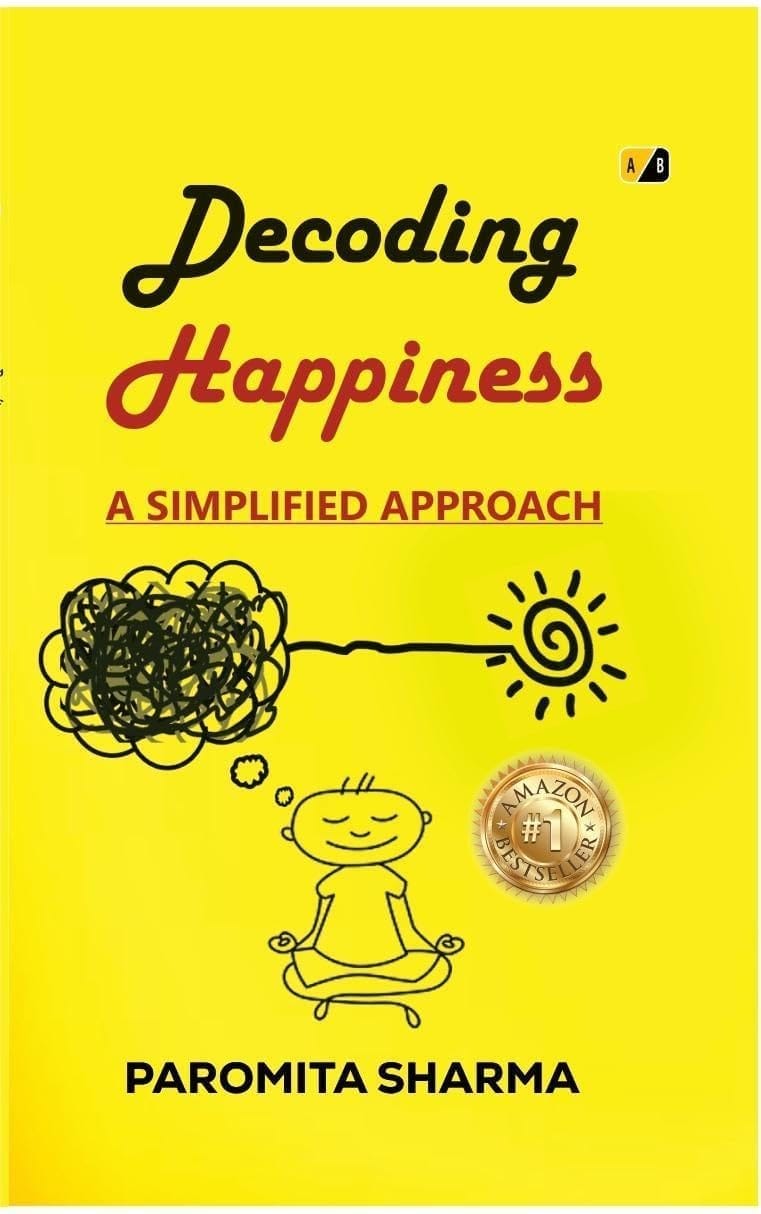
When Paromita Sharma submitted her manuscript for "Decoding Happiness: A Simplified Approach," she believed her work was complete. Little did she know that the most transformative part of her authorship journey was just beginning. Today, her 132-page paperback doesn't just sit on bookshelves—it changes lives, has established her as an authority in her field, and serves as a powerful testament to the magic that happens when an author embraces the refinement process.
"I initially saw editorial feedback as criticism," Paromita confesses with a smile. "Now I understand it was the bridge that carried my book from good to extraordinary. The difference between where I started and the final product is like comparing a rough sketch to a masterpiece painting."
Her story reveals the hidden transformation that happens behind the scenes in exceptional publishing—a process rarely discussed but absolutely essential for any author serious about creating work that resonates deeply with readers and stands the test of time.
Introduction: The Invisible Journey
The path from initial manuscript to polished book represents the most crucial phase in an author's journey to publication—yet it remains largely invisible to readers. This critical transformation involves intricate processes of feedback, revision, and refinement that elevate promising content into exceptional literature.
Paromita's case study illuminates the delicate balance between maintaining an author's unique voice while dramatically enhancing content impact and readability. The relationship between editor and author becomes a carefully choreographed dance of suggestions and implementations, each step thoughtfully considered to elevate the final product.
"The first part was okay," noted her editor during their initial manuscript review, establishing a foundation for constructive dialogue. This simple observation opened the door to deeper discussions about content enhancement, structural refinement, and narrative development. The focus wasn't merely on correcting issues but on elevating the entire work to a higher standard of excellence.
In publishing, the difference between a good book and a great one often lies in these crucial revision stages. Every suggestion, modification, and refinement contributes to creating work that not only meets objectives but exceeds reader expectations.
The collaborative nature of this process highlights an often-overlooked aspect of successful authorship: the willingness to receive and implement constructive feedback. This openness to improvement becomes the cornerstone of creating truly impactful literature.
ACTIONABLE INSIGHT:
Before submitting your manuscript for professional editing, conduct your own "pre-edit" review. Read your entire manuscript aloud, noting places where you stumble, lose interest, or feel something's missing. These are the same spots your editor will likely identify. Creating this self-awareness prepares you emotionally and practically for professional feedback.
Understanding the Need for Refinement
Initial review of Paromita's manuscript revealed specific areas requiring attention. While the first section showed promise, subsequent parts presented clear opportunities for enhancement in both structure and content delivery.
"In the second part, there are very small stories every time," her editor observed, highlighting a need for more varied and sophisticated storytelling approaches. This observation pointed to several key areas requiring attention:
Content Structure Challenges:
Patterns that needed variation
Storytelling depth requirements
Character development opportunities
Narrative flow improvements
Thematic consistency challenges
Writing Style Issues:
Voice development needs
Tone consistency concerns
Language sophistication opportunities
Engagement technique limitations
Reader connection strategies
The editor's feedback emphasized the importance of progression in content maturity: "In the second half, it comes to maturity level." This insight reflects a fundamental principle of engaging writing—the need for content to evolve and deepen as the book progresses, taking readers on a journey that builds in complexity and insight.
For Paromita, this feedback initially felt overwhelming. "I had poured months of work into my manuscript," she recalls. "Hearing that major sections needed complete restructuring was difficult. But I quickly realized the editor wasn't criticizing me—they were showing me the path to creating something truly exceptional."
ACTIONABLE INSIGHT:
Create a "Content Progression Map" for your book. In a simple table, list each chapter in the first column. In the second column, identify what new insight or deeper understanding each chapter provides that previous chapters didn't. If you find consecutive chapters offering similar depth levels, you've identified opportunities for progressive development.

Comprehensive Content Structure
One of the primary challenges identified in Paromita's manuscript was the repetitive nature of content presentation. This issue manifested in multiple ways that could potentially impact reader engagement and the book's overall effectiveness.
"There are lot of repetitions though the title and subtitle has changed," the editor pointed out, identifying a core issue that needed addressing. The repetition appeared in several forms:
Content Structure Issues:
Similar story patterns across chapters
Repeated character names (Sunita, Ramesh)
Predictable example formats
Monotonous presentation style
Limited variation in narrative approach
"Every time if you give Sunita, Ramesh, it is very very monotonous," the editor emphasized. This observation highlighted how even small details like character naming can significantly impact reader engagement. The challenge extended beyond mere name repetition to include:
Narrative Pattern Issues:
Consistent but predictable story structures
Similar resolution patterns
Repetitive teaching points
Limited perspective variation
Uniform story lengths
The feedback stressed the importance of diversity in storytelling: "You should write that you see communication is a part, very important part of life." This suggested the need for:
Improvement Areas:
Varied character backgrounds and professions
Diverse scenario settings (workplace, home, social settings)
Different problem-solving approaches
Multiple perspective points (managers, employees, family members)
Range of story lengths (from brief examples to extended case studies)
"Initially, I didn't see the repetition," Paromita admits. "I was so close to my work that these patterns were invisible to me. Having a fresh, professional perspective helped me see my manuscript objectively for the first time. Once I recognized the patterns, I couldn't unsee them, and addressing them became exciting rather than burdensome."
ACTIONABLE INSIGHT:
Create a "Character and Example Tracking Sheet." List every example, story, or case study in your manuscript along with the characters involved, setting, problem type, and resolution method. This visual representation will quickly reveal patterns and repetitions you may have missed, allowing you to strategically diversify your examples for greater reader engagement.

Innovative Teaching Methodology
The editorial feedback emphasized the need for more sophisticated content progression, particularly in the book's second half. This strategic development focused on creating a more engaging and mature narrative that would resonate with readers on multiple levels.
"In the second half, the picture is getting serious and starts giving a message," noted the editor, highlighting the importance of content evolution. This progression included:
Depth Development:
More complex scenarios reflecting real-world challenges
Deeper character analysis revealing motivations and growth
Advanced concept exploration beyond basic principles
Sophisticated problem-solving demonstrating nuanced approaches
Mature thematic elements addressing substantial life questions
Content Maturity:
Enhanced intellectual discourse examining multiple perspectives
Complex emotional situations mirroring readers' experiences
Nuanced resolutions avoiding simplistic answers
Deeper insights connecting individual actions to broader principles
Professional scenarios relevant to career advancement
The editor drew a parallel to successful storytelling in entertainment: "Like you see 3 idiots... first half was good. In the second half, there should be intellectual level." This comparison emphasized the need for:
Progressive Elements:
Increasing complexity as the book advances
Building emotional depth chapter by chapter
Developing themes throughout the narrative
Advancing concepts from foundational to sophisticated
Deepening engagement through progressive reader challenges
"Understanding that my book needed an arc—not just in story but in intellectual depth—was transformative," Paromita shares. "I began seeing my book as a journey that should take readers from understanding basic principles to mastering complex applications. This single insight dramatically improved both the structure and impact of my work."
ACTIONABLE INSIGHT:
Design a "Concept Escalation Ladder" for your non-fiction book. Start with the most basic concept you teach and create five progressive levels of complexity. Ensure each chapter moves readers up at least one rung on this ladder, preventing content that merely restates earlier points without deepening understanding.
Implementation Process
The revision process required a structured, methodical approach to ensure all feedback was effectively incorporated while maintaining the book's core message and Paromita's authentic voice.
Communication Framework:
Regular review meetings to discuss progress and challenges
Email documentation of changes and questions
Sample section submissions for preliminary feedback
Feedback integration sessions to resolve complex issues
Progress tracking methods to ensure deadline compliance
"Write 4-5 pages and send it to me," the editor instructed, establishing a clear review process that included:
Revision Steps:
Chapter-by-chapter review focusing on specific issues
Section-by-section improvements addressing structural challenges
Character name diversification to reduce repetition
Story structure enhancement for greater variety
Content maturity development in later chapters
Feedback Integration Strategy:
Initial revision drafts focused on major structural changes
Editorial review cycles with specific feedback points
Content refinement phases addressing detailed improvements
Quality assessment periods ensuring consistency
Final polish stages enhancing readability and flow
"You change the second pattern completely," advised the editor, suggesting a comprehensive approach to:
Implementation Methods:
Pattern identification through detailed manuscript analysis
Alternative structure development for varied content presentation
Content reorganization enhancing logical flow
Style enhancement to elevate writing quality
Flow improvement connecting concepts meaningfully
"The most valuable part of implementation was breaking it into manageable pieces," reflects Paromita. "Instead of trying to fix everything at once, we established a clear sequence—first addressing structure, then character diversity, then conceptual depth. This methodical approach turned what could have been overwhelming into an organized, step-by-step process."
ACTIONABLE INSIGHT:
Develop a "Revision Roadmap" with three distinct phases: Structure (reorganizing content), Diversity (varying examples, characters, and approaches), and Depth (enhancing conceptual sophistication). Complete each phase fully before moving to the next, requesting specific feedback at each transition point. This prevents the common mistake of attempting to fix everything simultaneously.
Quality Assurance
The quality assurance process focused on maintaining high standards throughout the revision cycle, ensuring each change enhanced the overall value of Paromita's book.
Review Components:
Content consistency checks ensuring cohesive message delivery
Style guideline adherence for professional presentation
Character development tracking for authenticity
Theme continuation monitoring throughout chapters
Message clarity assessment from reader perspective
"Take it to a mature level," emphasized the editor, establishing quality benchmarks including:
Quality Metrics:
Content sophistication level appropriate for target audience
Narrative depth assessment ensuring meaningful reader impact
Character development evaluation for believability
Theme integration measurement across chapters
Reader engagement factors at multiple points in the text
Monitoring Systems:
Progress tracking tools documenting improvement areas
Quality checkpoint reviews at key manuscript stages
Feedback implementation verification ensuring completion
Content enhancement assessment measuring progress
Reader impact evaluation through test readers
"I am not in a hurry. But take it to a mature level," the editor noted, highlighting the importance of:
Quality Priorities:
Content excellence over quick completion
Reader engagement through thoughtful development
Message clarity through refined expression
Professional presentation meeting industry standards
Lasting impact through meaningful insights
"Learning that quality trumped speed was liberating," Paromita says. "The message 'I am not in a hurry' removed the pressure to rush and replaced it with the freedom to create something truly exceptional, even if it took longer than initially planned. This shifted my focus from 'finishing' to 'excelling.'"
ACTIONABLE INSIGHT:
Create a "Reader Experience Checklist" with five questions: 1) Does this section teach something new? 2) Does it connect emotionally? 3) Is it immediately applicable? 4) Does it avoid repetition? 5) Does it advance the reader's understanding? Review each chapter against this checklist, addressing any section that doesn't meet all five criteria.
Future Vision
The refinement process aimed not just at improving the current content but at creating a work of lasting value and impact. This vision encompassed both immediate improvements and long-term goals for Paromita's book and career.
Strategic Objectives:
Content excellence achievement through rigorous refinement
Reader engagement enhancement through sophisticated techniques
Professional credibility establishment in the field
Market position strengthening through quality differentiation
Long-term impact creation beyond initial publication
Development Goals:
Continuous content improvement through reader feedback
Audience reach expansion to new demographics
Professional reputation building as a thought leader
Market presence enhancement through strategic positioning
Reader value maximization through actionable insights
Success Indicators:
Reader engagement metrics demonstrating impact
Professional recognition from industry experts
Market acceptance through sales and distribution
Content impact measured by reader implementation
Long-term relevance maintaining value over time
Vision Components:
Excellence standards exceeding industry norms
Innovation integration through unique approaches
Market leadership in specific content areas
Reader transformation through applied knowledge
Lasting influence on professional practices
"The editorial process helped me see beyond the book to the impact it could have," Paromita explains. "I began to understand that we weren't just refining text—we were crafting a tool that could transform readers' professional and personal lives. This bigger vision made every difficult revision worthwhile."
ACTIONABLE INSIGHT:
Write a one-page "Book Impact Statement" describing specifically how you want your book to change readers' lives, careers, or thinking. Be concrete—what exact actions should they take after reading? What specific insights should they gain? Keep this statement visible during your revision process to ensure every edit serves your larger purpose.
Technical Accuracy and Updates
The implementation of comprehensive editorial feedback transformed Paromita's manuscript in several significant ways, demonstrating the value of professional guidance in book development.
Measurable Improvements:
Enhanced narrative structure with logical progression
Diversified character development across examples
Deepened content maturity in later chapters
Broadened global perspective incorporating diverse viewpoints
Strengthened reader engagement through varied techniques
Content Evolution:
From simple stories to complex narratives with multiple layers
Basic examples to sophisticated case studies with broader applications
Limited perspective to global viewpoints incorporating cultural diversity
Repetitive patterns to varied approaches maintaining reader interest
Surface coverage to deep insights providing lasting value
"The second half should have intellectual level, little bit of English and big chapter to understand," noted the editor, highlighting the successful transformation in:
Reader Experience:
Enhanced engagement levels sustaining interest throughout
Deeper understanding facilitation through progressive development
Stronger emotional connection through authentic scenarios
Better knowledge retention through structured presentation
Increased practical application through actionable insights
Professional Growth:
Author skill development through guided improvement
Writing technique enhancement through expert feedback
Editorial relationship building for future collaborations
Content creation expertise through systematic process
Professional standard achievement in final manuscript
"The most dramatic transformation was in reader feedback," Paromita notes. "My test readers for early drafts found the book 'helpful' but those who read the final version called it 'life-changing.' That difference—from helpful to transformational—came directly from implementing the editorial guidance and focusing on depth rather than breadth."
ACTIONABLE INSIGHT:
Conduct "Before and After Testing" with your manuscript. Have three trusted readers review an early draft and three different readers review your revised version, all answering the same questions about impact, clarity, and application. This comparative feedback will objectively measure your revision's effectiveness and highlight any remaining areas needing attention.
Key Learnings and Recommendations
Paromita's refinement journey revealed crucial insights for authors undertaking similar paths to publication excellence:
Essential Guidelines:
Accept constructive feedback openly, seeing it as opportunity rather than criticism
Implement changes systematically through organized processes
Monitor improvement progress with objective measures
Maintain professional standards throughout the revision process
Focus on reader value in every decision
Author Development:
Writing skill enhancement through deliberate practice
Editorial relationship management for productive collaboration
Content refinement techniques for maximum impact
Quality standard maintenance across all content
Professional growth focus through continuous improvement
Best Practices:
Regular communication with editor establishing clear expectations
Systematic revision approach addressing fundamental issues first
Quality assurance protocols ensuring consistent improvement
Reader perspective consideration in all content decisions
Continuous improvement mindset beyond initial publication
Success Factors:
Openness to feedback creating improvement opportunities
Implementation dedication following through on guidance
Quality commitment prioritizing excellence over convenience
Reader focus centering decisions on audience needs
Professional growth embracing the development process
"The most valuable lesson I learned wasn't about writing—it was about mindset," Paromita reflects. "I had to let go of seeing my manuscript as a finished product and instead view it as a promising work in progress. Once I embraced that perspective, feedback became a gift rather than a criticism, and the entire process became enjoyable rather than painful."
ACTIONABLE INSIGHT:
Establish a "Feedback Reception Protocol" for yourself before receiving editorial comments. Write down specific questions you'll ask yourself when receiving feedback, such as: "What legitimate concern might underlie this suggestion?" and "How could implementing this change benefit my readers?" Having this protocol ready prevents defensive reactions and helps you extract maximum value from professional guidance.
Conclusion: The Transformation Beyond the Page
Paromita Sharma's journey from initial manuscript to published book reveals the profound impact of embracing the refinement process. What began as a good book with potential evolved into an exceptional work that not only shares information but transforms readers' understanding and application of happiness principles.
The true magic of editorial guidance lies not just in improving text but in developing authors. Through this collaborative process, Paromita gained skills, insights, and perspectives that continue to enhance her writing and professional opportunities long after publication.
"Decoding Happiness: A Simplified Approach" now stands as testament to what happens when an author embraces feedback with openness and implements guidance with dedication. The 132 pages represent not just content but a transformative journey—both for Paromita as an author and for every reader who benefits from the refined wisdom within its pages.
For aspiring authors, this case study offers a roadmap to publication excellence: seek qualified feedback, embrace the refinement process, implement changes systematically, and maintain unwavering focus on reader value. These principles, applied with consistency and commitment, transform not just manuscripts but authorial careers.
As Paromita herself now advises other writers: "The willingness to refine your work doesn't diminish your authorship—it elevates it. The greatest gift you can give your readers is not your first draft but your best work, shaped and polished through professional guidance and personal growth."
ACTIONABLE INSIGHT:
Schedule a "Six-Month Book Review" date on your calendar before you even publish. On this date, revisit your book with fresh eyes, noting what you've learned since publication and how you might improve a second edition. This practice establishes the mindset that books, like authors, continue to evolve and improve with time and experience.

Annual Membership Regular
Price Rs. 9980/-
(One-Time-Offer Only ₹499/-)
Unlock the secrets of Bestselling Authors
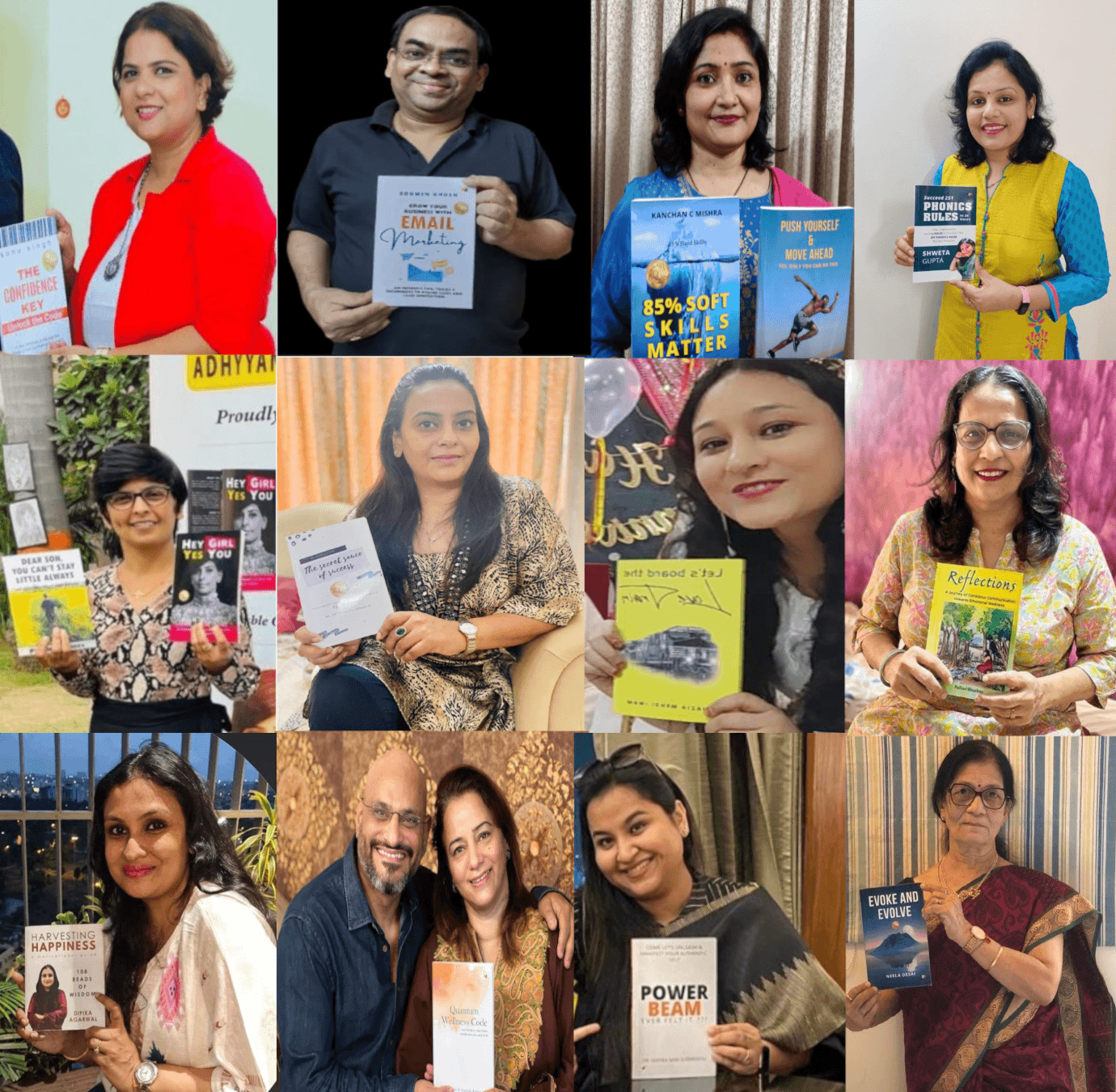
📘 Over 100 more case studies like these...
We Have Been Featured In..
 Unlock all case studies

All Case Studies

Followers
11000+

Followers
8439

Subscribers
11100+

Groups
500+
LAXIMUS BUSINESS VENTURES PRIVATE LIMITED