contact@adhyyanbooks.com | +91-9986728203









All Case Studies

LAXIMUS BUSINESS VENTURES PRIVATE LIMITED
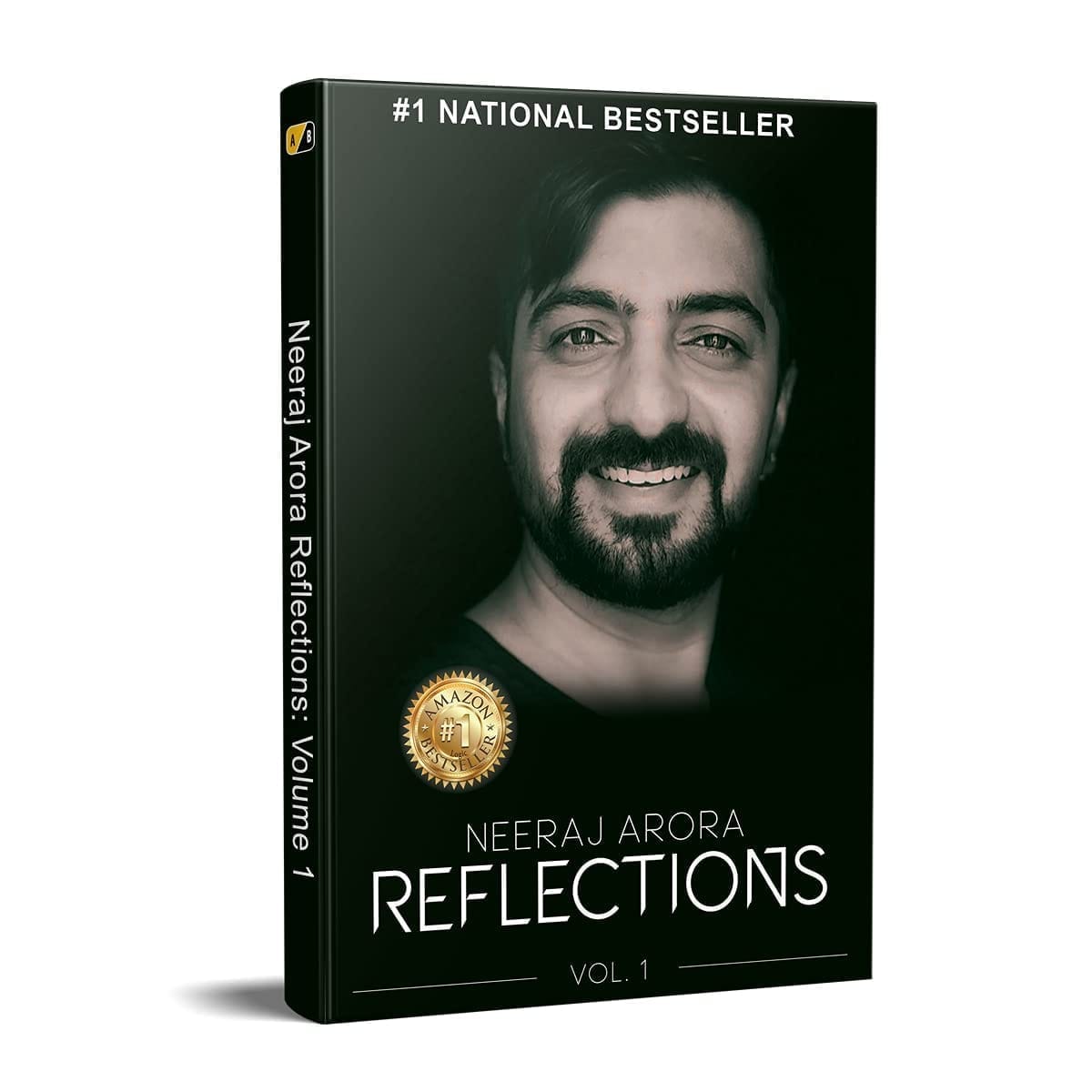
How Neeraj Arora Transformed Educational Wisdom into Life-Changing Lessons

Neeraj Arora
Author of 'Reflections'
NON-FICTION
GENRE
55
NO. OF PAGES
Paperback
BINDING
Introduction: The Power of Practical Wisdom
In a world where theoretical knowledge often overshadows real-world wisdom, Neeraj Arora discovered his true calling: bridging this critical gap. His remarkable journey from CA teacher to published author represents more than a career shift—it embodies a mission to transform how we approach success and personal growth.
"Whatever I have learned and the things that have helped me move forward, I've tried to put down on paper," Arora shares with genuine passion. "And I've written it in a simplified manner, in a very short and crisp way."
Through years of teaching and mentoring, Arora identified a fundamental problem in education: the disconnect between classroom learning and real-world application. Students were graduating with degrees but lacking the practical wisdom needed to navigate life successfully. This realization became the driving force behind his book "Reflections"—a concise 55-page guide designed to share authentic experiences in an accessible format.
ACTION STEP:
Start keeping a "wisdom journal" where you note down practical insights from your daily experiences. Review it weekly to identify patterns and lessons that can guide your future decisions. This simple habit can transform passing thoughts into valuable life tools, just as it did for Neeraj.
The Foundation Years: Building Expertise Through Teaching
Arora's path to authorship wasn't an overnight success story. Since 2013, he has dedicated himself to teaching CA students, gradually building a reputation for clarity and practical guidance. His educational philosophy—"Great Quality Education, Affordable Prices and the Best Value-Added Services"—led to the creation of EDU91, an educational platform that now serves 250,000 registered students.
What made Arora's teaching special wasn't just his knowledge of accounting principles, but his ability to connect these concepts to real-world applications. He created an ecosystem where students actively helped each other, fostering a community of learners rather than just a class of individuals.
"The true purpose of education isn't just to transfer information," Arora often tells his students, "but to create independent thinkers who can apply knowledge in novel situations."
ACTION STEP:
Identify one skill you've mastered and find an opportunity to teach it to someone else this week. Teaching forces you to simplify complex ideas and solidifies your own understanding. As you explain concepts to others, you'll discover gaps in your knowledge and develop a deeper mastery of your subject.
The Spark of Inspiration: Morning Reflections to Published Thoughts
The seed for "Reflections" was planted during Arora's daily morning routine. "I used to get up early and read books in the morning. Then I'd reflect on my day—what I needed to accomplish, what I'd learned from the past," he explains. These reflections became personal guideposts, collected in notebooks that he would reference whenever facing challenges.
"Whenever I faced any problem, I would open those short notes. What should be done in this situation? What should be avoided? I would find guidance there."
What began as a private practice of self-reflection gradually revealed its potential value for others. Arora realized that the notes that guided him through difficult decisions might similarly help his students and a wider audience navigate their own challenges.
The beauty of his approach lies in its accessibility. "You have 20 unrelated chapters," he explains. "If you open chapter 6, study it. If you open chapter 7, please study it—no problem at all. You don't need to connect it to any previous chapter." This modular format makes wisdom available in digestible pieces, perfect for today's fast-paced world.
ACTION STEP:
Set aside 15 minutes each morning for reading and reflection before checking your phone or email. Choose material that challenges your thinking, then write down one key insight and how you might apply it today. This small time investment compounds over months and years, building a personal wisdom library that guides your growth.
From Concept to Reality: The Publishing Journey
Turning personal reflections into a published book required courage and support. Arora credits his community of students, family, and team members for encouraging him to share his insights more broadly.
"When we teach strategic management, I explain that I've built my business by applying these very principles," he shares. "Learn to create value. If you give value, success will follow naturally."
The publishing process taught Arora valuable lessons about persistence and vision. Rather than aiming for a massive, comprehensive volume, he focused on creating something accessible and practical. This decision reflected his core belief that wisdom should be available to everyone, not just those with the time to read lengthy tomes.
Working with publishers, Arora maintained his commitment to accessibility. He insisted on affordable pricing (Rs. 130, approximately $1.75) to ensure the book could reach students and young professionals—those who might benefit most from its guidance.
ACTION STEP:
Take one valuable idea you've been keeping to yourself and share it publicly this week—through social media, a blog post, or a conversation with colleagues. Pay attention to how articulating your thoughts clarifies your thinking and creates unexpected connections with others who share your interests.

Strategic Sharing: Making Knowledge Accessible to All
Arora's approach to marketing his book reflects his educational philosophy: value over profit. While many authors focus on maximizing returns, Arora prioritized reach and impact.
"I didn't write this book to make money," he explains. "I wrote it to share lessons that might help others avoid unnecessary struggles."
This philosophy shaped his distribution strategy. By leveraging Amazon's platform and offering special incentives for early buyers, Arora created momentum that pushed "Reflections" to bestseller status. More importantly, it placed his wisdom in the hands of those who needed it most—young people navigating critical career and life decisions.
His marketing approach demonstrates an important principle: when you focus primarily on helping others, financial success often follows naturally. This "value-first" mindset has consistently guided Arora's business decisions.
ACTION STEP:
Before launching your next project or idea, ask yourself: "How can I make this more accessible to those who need it most?" Consider offering tiered pricing, free educational resources, or community-based support. By prioritizing value over immediate profit, you'll build a foundation for sustainable success.
Beyond Book Sales: Creating Lasting Impact
The success of "Reflections" extends beyond traditional metrics like sales figures. For Arora, the true measure of impact comes from hearing how his insights have helped readers navigate difficult decisions or shift their perspectives.
"When a student tells me that a single chapter changed their approach to problem-solving—that's worth more than any bestseller status," he shares.
This focus on long-term impact shapes Arora's future vision. Rather than resting on his initial success, he's planning a series of volumes that will expand on his core wisdom. Each book will tackle new aspects of personal and professional development, creating a comprehensive resource library for continuous growth.
Through EDU91, Arora continues to build a community where knowledge flows freely. The platform isn't just a business but a manifestation of his belief that education should empower rather than intimidate.
ACTION STEP:
Create a simple system to track the impact of your work beyond financial metrics. This might include collecting testimonials, following up with clients or students months after your interaction, or measuring how your ideas spread through communities. Understanding your true impact will help you focus your efforts where they matter most.
The Personal Journey: From Mischief to Mentor
Arora's transformation from self-described "mischievous boy" to respected educator offers powerful lessons in personal growth. "I was absolutely mischievous," he recalls with a smile. "Creating chaos, troubling everyone. Instead of playing cricket, I was more interested in doing commentary. Rather than playing, I wanted to organize tournaments."
This natural inclination toward leadership and commentary foreshadowed his future as an educator and author, but required significant personal development to channel effectively. Three key factors shaped his transformation:
Parental guidance and discipline provided crucial boundaries and direction.
Books became transformative tools after he began reading actively in 2004, broadening his perspective and changing his thinking patterns.
Professional exposure through the CA fraternity introduced him to a larger world and helped him develop his vision.
Arora's relationship with technology further illustrates his practical approach to growth. "If technology is saving time in your life—time is money," he explains. "People say you cannot buy time. I say money can buy time if you invest in the right technology."
This philosophy led him to embrace advanced production equipment and platform development, consistently optimizing his time to focus on high-value activities.
ACTION STEP:
Identify one area where you're still operating with outdated methods or tools. Research current technology solutions that could save you time, and calculate the potential return on investment. Remember Arora's wisdom: money spent on the right tools is actually buying you more time—our most precious resource.
Weathering Storms: Turning Crisis into Opportunity
Arora openly shares his lowest point—July 2, 2020, during the pandemic—when he faced severe online criticism and personal attacks. This experience tested not just his professional resilience but his entire philosophy.
His response to this crisis reveals the practical application of his wisdom.
Rather than becoming defensive or retaliating, Arora focused on three pillars of recovery:
Family support created a protected environment where he could process emotions and maintain stability.
Team collaboration enabled strategic planning and a united approach to addressing challenges.
Philosophical principles, particularly stoicism, helped him develop resilience and perspective.
"That event ultimately pushed me in a positive direction—toward solutions," he reflects. "Now I don't dwell on it. You find a solution, you do your work, and you move forward."
This experience transformed from a potential career-ender into a powerful case study in crisis management and personal resilience. It embodied one of Arora's core principles: "Who is a negative person? Someone who sees problems. Who is a positive person? Someone who sees solutions. It's as simple as that."
ACTION STEP:
Take your biggest current challenge and reframe it as an opportunity for growth. Write down three potential positive outcomes that might emerge from successfully navigating this difficulty. Then identify specific actions you can take to move toward those outcomes. This solution-focused approach transforms problems from obstacles into stepping stones.
Living the Philosophy: Values in Action
Arora's success stems from a consistent value system that guides both personal and professional decisions:
Frugal Lifestyle: Despite financial success, Arora maintains debt-free living and conscious spending habits. He prioritizes investments over luxury purchases, demonstrating that true wealth comes from financial freedom rather than material accumulation.
Solution Orientation: "Problems are just questions waiting for answers," Arora often tells his students. This perspective transforms challenges from roadblocks into opportunities for innovation.
Continuous Learning: His commitment to daily reading and weekly "book days" ensures constant growth. "Learning isn't something you complete—it's a lifestyle you embrace," he explains.
Community Building: Perhaps most importantly, Arora views success as inherently connected to helping others succeed. His educational platforms emphasize accessibility and support, creating an ecosystem where knowledge flows freely.
These values aren't just theoretical—they're actively demonstrated through his business practices. EDU91 offers exceptional quality at affordable prices, with extensive value-added services that support student success.
ACTION STEP:
Conduct a "values audit" of your daily habits and spending patterns. Are they aligned with your core values? Identify one habit you can adjust this week to create better alignment. Remember that small, consistent actions that reflect your values will ultimately shape your life's direction more than occasional grand gestures.
Educational Innovation: Reimagining How We Learn
Through EDU91, Arora has developed an educational approach that challenges traditional models. With 250,000 registered students, his platform demonstrates the power of combining technology with human-centered learning principles.
Key features of his innovative approach include:
Support Systems that extend beyond content delivery to include doubt resolution, community interaction, and continuous engagement.
Technology Integration that enhances rather than replaces human connection, creating platforms where knowledge is both accessible and engaging.
Clear Value Proposition: "Greatest quality education at the most affordable price with the best value-added services. That was my vision for this book and for all my educational efforts."
Arora's success proves that education doesn't need to be expensive or exclusive to be effective. By focusing on practical application and clear communication, he's created learning experiences that translate directly to real-world success.
ACTION STEP:
Evaluate your learning sources based on how effectively they bridge theory and practice. Replace or supplement at least one purely theoretical resource with a practice-oriented alternative. Look for teachers and materials that emphasize application over memorization, and real-world examples over abstract concepts.
The Road Ahead: Expanding the Vision
For Arora, "Reflections" represents just the beginning of a larger mission to democratize practical wisdom. His future plans include:
An expanded book series that will build on the foundation of "Reflections," addressing new aspects of personal and professional development.
Community growth initiatives that will enhance platform capabilities and support resources.
Educational methodology innovations that continue challenging traditional approaches to learning.
"The goal isn't just to share what I know," Arora explains, "but to create environments where others can discover and develop their own wisdom."
This vision reflects Arora's understanding that true impact comes not from creating followers but from empowering independent thinkers who can adapt principles to their unique circumstances.
ACTION STEP:
Define your "legacy project"—the contribution you hope to make that will outlast your direct involvement. Write down three specific steps you can take this month to begin building this legacy. Remember that meaningful impact often comes from creating systems and communities that can grow beyond your personal reach.
Leadership Lessons: Decisions, Teams, and Time
Arora's approach to leadership reveals practical wisdom that applies across industries and roles:
Time Management: "I track everything in Excel—activities, outcomes, time spent. This isn't about control but about understanding where value is created." This meticulous tracking allows him to optimize his efforts and focus on high-impact activities.
Team Development: Rather than seeking perfect employees, Arora focuses on matching skills to roles and providing continuous support for growth. "The right person in the right position with the right guidance—that's the formula for extraordinary results."
Decision Making: "The most important skill in life is decision making. And when can you make good decisions? When you have proper information." This emphasis on informed choices explains Arora's commitment to continuous learning and data-driven analysis.
These leadership principles have enabled Arora to build sustainable enterprises that continue growing without requiring his constant intervention—the true mark of effective leadership.
ACTION STEP:
Implement a two-week time audit to discover where your hours actually go. Track your activities in 30-minute blocks, then analyze which 20% of your efforts produce 80% of your results. Restructure your schedule to double-down on these high-impact activities while delegating or eliminating low-value tasks.
Conclusion: Wisdom Made Accessible
Neeraj Arora's journey from educator to author demonstrates how specialized knowledge and personal experience can transform into accessible wisdom that changes lives. His success proves that when complex ideas are presented simply and practically, they can reach and benefit countless people.
"You need not worry about criticism," he concludes, highlighting his philosophy of focusing on solutions rather than problems. His experience offers a blueprint for anyone looking to share their knowledge more widely:
Simplify complex ideas into digestible concepts
Focus relentlessly on practical application
Make your wisdom accessible to those who need it most
Build supportive communities around shared learning
Maintain a solution-oriented mindset when facing challenges
In a world often overwhelmed by information but starved for wisdom, Arora's approach reminds us that the most valuable knowledge is that which can be readily applied to improve our daily lives and decisions.
ACTION STEP:
Identify the most valuable practical wisdom you've gained through experience—the insight that has most improved your life or work. Commit to sharing this knowledge with at least three people this month, presenting it in the simplest, most actionable form possible. In teaching others, you'll refine your understanding and multiply your impact.

Annual Membership Regular
Price Rs. 9980/-
(One-Time-Offer Only ₹499/-)
Unlock the secrets of Bestselling Authors
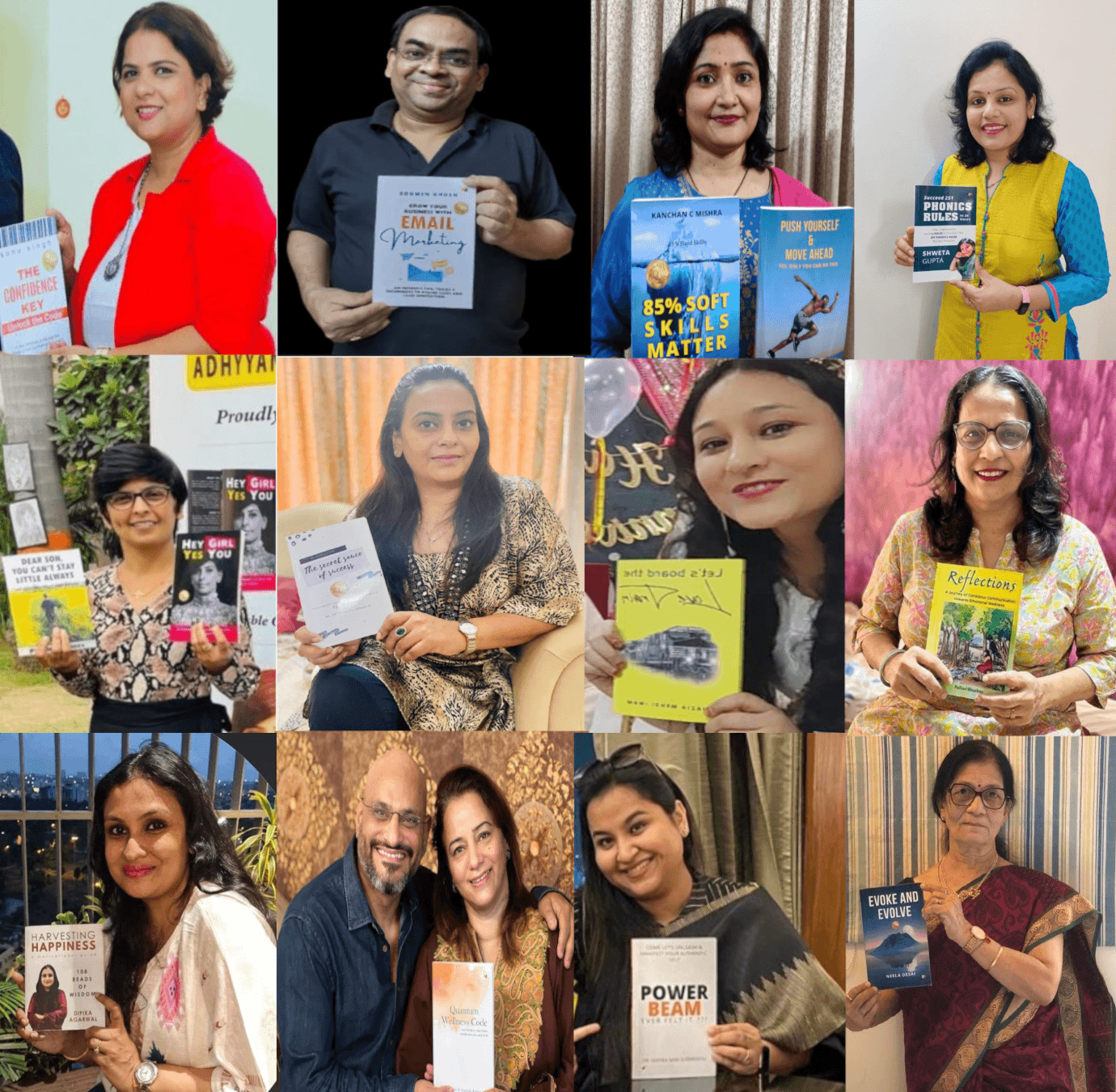
📘 Over 100 more case studies like these...
We Have Been Featured In..
 Unlock all case studies

All Case Studies

Followers
11000+

Followers
8439

Subscribers
11100+

Groups
500+
LAXIMUS BUSINESS VENTURES PRIVATE LIMITED