contact@adhyyanbooks.com | +91-9986728203









All Case Studies

LAXIMUS BUSINESS VENTURES PRIVATE LIMITED
How a Navy Veteran Can Help You Transform Your Life
Mr. Narendra Singh
NON-FICTION
GENRE
260
NO. OF PAGES
Paperback
BINDING
Introduction
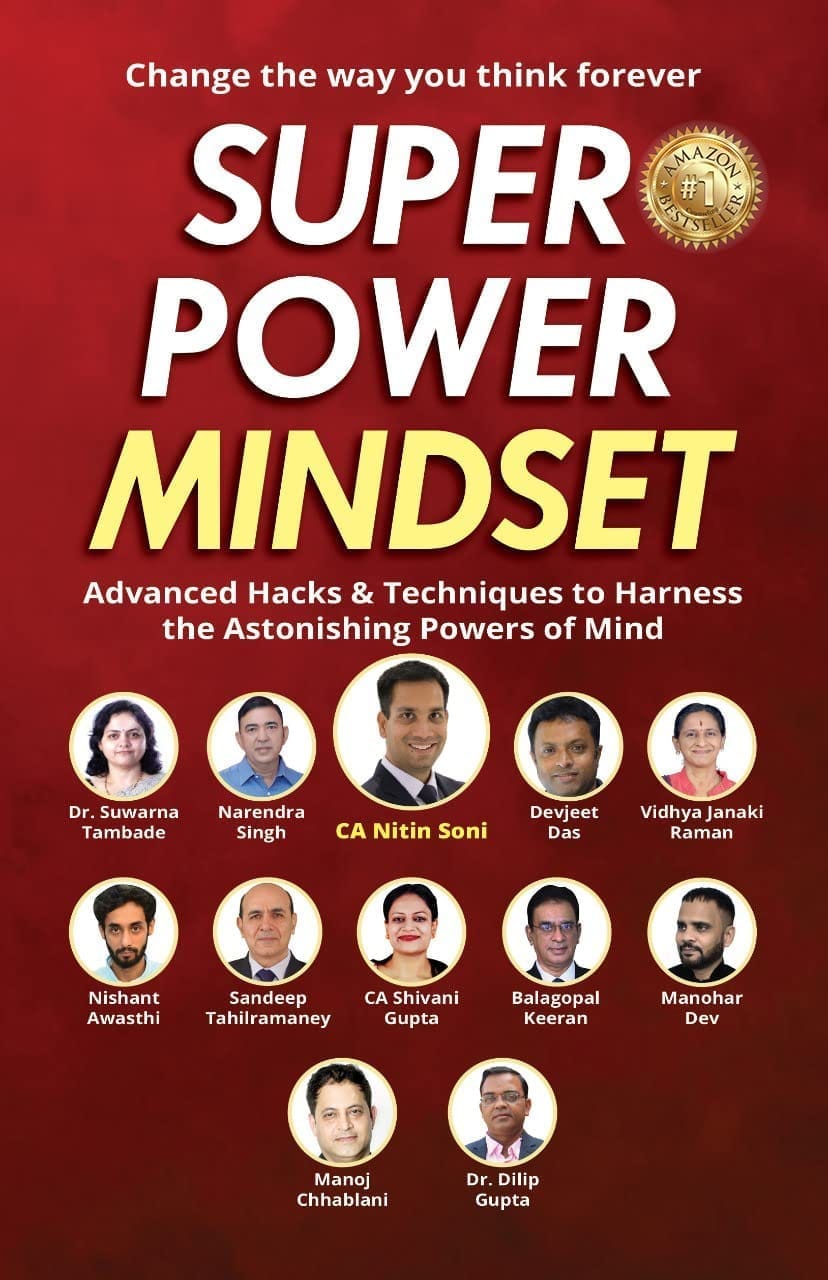
When Narendra Singh stood on the deck of INS Virat, India's largest aircraft carrier, he had no idea his greatest mission would come after hanging up his naval uniform. Today, this electronics engineer turned psychologist helps thousands transform their professional lives through the power of mindset.
Singh's journey crosses unexpected territories: from military service to corporate leadership, from engineering to psychology, and finally to becoming an author and coach who helps others unlock their potential. His story shows us that careers aren't meant to be straight lines—they're meant to be adventures of growth.
"If we keep changing, we will be relevant and will be contributing a lot to society," Singh explains with the quiet confidence of someone who has lived these words. His philosophy cuts through the noise of modern career advice with a simple truth: success isn't about reaching a destination, but about continuous transformation.
What makes Singh's approach powerful is how it blends technical expertise with deep human understanding. With degrees in both engineering and counseling psychology, he bridges the gap between technical skills and the mindset needed to use them effectively.
His core belief centers on adaptability, continuous learning, and contribution. In a world where jobs change rapidly, Singh doesn't just teach people to adapt—he shows them how he did it himself, repeatedly throughout his remarkable career.
ACTION INSIGHT:
Take 15 minutes today to reflect on how you've changed professionally in the past five years. Which changes were reactive (responding to circumstances) and which were proactive (pursuing growth)? The most successful professionals don't just accept change—they actively seek it before it becomes necessary. This week, identify one area where you could proactively develop a new skill or perspective before your industry requires it.
The Pre-Author Life
Before his words reached thousands through books, Singh's life was a masterclass in reinvention. His journey began with engineering studies and led to a decade serving in the Indian Navy, culminating with his posting on INS Virat, the nation's most prestigious aircraft carrier.
"The military taught me that leadership isn't about giving orders—it's about building people who can handle any situation," Singh reflects.
This insight would later become central to his coaching philosophy.
When he retired from naval service in 1998, Singh didn't just change jobs—he transformed his entire professional identity by entering the corporate world. While many would find this transition jarring, he approached it with characteristic curiosity and openness.
"I have always had a habit of updating myself," he explains, describing what would become his lifelong commitment to growth. This wasn't just casual interest—it was a strategic approach to staying relevant in rapidly changing times.
Perhaps his most significant transformation came when he pursued a master's degree in counseling psychology, building expertise in human behavior and motivation on top of his technical foundation. This unusual combination—engineering precision with psychological insight—created a unique lens through which he would later view professional development.
Singh's commitment to learning wasn't random; it was inspired by early influences. "When we used to go to the village, even my father used to read a lot," he recalls, revealing how the seeds of lifelong learning were planted in childhood moments, watching his father choose books over idle time.
These diverse experiences weren't separate chapters but interconnected parts of a larger story. The discipline from naval service, the adaptability from corporate transitions, and the human understanding from psychological studies all contributed to a holistic approach to professional development that few others could match.
ACTION INSIGHT:
Create a "skill bridge" between your seemingly unrelated experiences. Write down three skills you've developed in previous roles or life experiences that don't obviously connect to your current work. Then identify how each might offer a fresh perspective on your current challenges. Singh's engineering background gave him structured thinking, while psychology gave him human insight. Your unique combination of experiences isn't a random accident—it's potentially your greatest professional advantage if you can connect the dots intentionally.
The Trigger Point
Sometimes the most powerful questions come from unexpected sources. For Singh, the push to share his knowledge through writing came from his 72-year-old mentor, Susheel Basin, who asked simply: "Why haven't you written a book?"
This question hit differently coming from someone who had lived seven decades of wisdom. It made Singh realize he had been preparing to write for years without knowing it. Since 1983, he had maintained detailed diaries, documenting not just events but reflections, insights, and lessons learned.
"I didn't realize I had been gathering material for a book all these years," Singh admits. "These weren't just records of what happened—they were the story of how I was changing and growing through each experience."
While the question sparked the idea, attending Nitin Soni's book writing seminar provided the practical framework he needed. "From there, I got the whole structure of the book," he explains. Like many great achievements, his book required both inspiration and methodology.
What truly sets Singh's writing journey apart is that it wasn't motivated by personal recognition. "Making India Employable" became his driving mission—addressing a national challenge he witnessed firsthand. With only 25% of graduates considered employable in their fields, he saw writing as an extension of service to his country, just in a different uniform.
The collaborative writing experience with Adhyan Books accelerated his journey. Daily interactions with fellow authors created accountability, support, and the motivation to push through challenges. This structure helped him complete his first book in just 21 days—proof that the right environment can dramatically amplify productivity.
Singh's trigger wasn't a dramatic moment of inspiration but rather a thoughtful question that connected with years of preparation. It shows that sometimes we're ready for our next chapter long before we realize it—we just need someone to help us see the possibilities.
ACTION INSIGHT:
Start a "wisdom journal" today to capture your experiences and insights. Unlike a traditional diary that records events, focus specifically on lessons learned, unexpected insights, and moments that changed your thinking. Just 5 minutes of reflection at day's end can create a treasure trove of wisdom over time. Like Singh, you may find you've been gathering material for something important without realizing it. Remember: your unique experiences and the lessons you've drawn from them are valuable not just to you, but potentially to many others facing similar challenges.
Choosing the Topics
When Singh sat down to write his first book, "Super Power Mindset," he faced a crucial decision that all thought leaders eventually confront: with so much knowledge accumulated over decades, what specific message would create the greatest impact?
Rather than attempting to cover everything, Singh focused precisely on the intersection of two critical insights: the enormous gap in employability skills among graduates and the transformative power of mindset in overcoming professional challenges.
"Only 25% of graduates are currently employable," Singh explains, highlighting a national crisis hiding in plain sight. But rather than dwelling on the problem, he concentrated on the solution—specifically how mindset transformation could bridge this gap more effectively than technical training alone.
His book explores the striking contrast between fixed and growth mindsets, revealing how our beliefs about our abilities often determine our professional ceiling more than our actual capabilities. "Mindset plays an 85% role in career success," he notes, a figure that challenges conventional wisdom about professional development.
What makes Singh's approach remarkable is its ambition. Rather than writing for personal recognition, he developed a larger vision: "Reach out to 540+ districts in India. Develop employability coaches and mentors. Transform the professional skill landscape." His book was never an end in itself but the beginning of a movement.
His topic selection drew from multiple wells of knowledge:
Decades of professional experience across military and corporate settings
Conversations with professionals across diverse industries
Academic research in psychology and human development
Direct observations from his coaching practice
Unlike traditional career guides that focus primarily on tactics and techniques, Singh's work addresses the inner game—the mental and emotional patterns that determine how effectively we use whatever skills we possess. This approach recognizes that professional growth is ultimately inseparable from personal development.
ACTION INSIGHT:
Identify your own mindset patterns around professional growth. For one week, keep track of your internal responses when facing work challenges. Do you think "I'm not good at this" (fixed mindset) or "I can learn this" (growth mindset)? Notice which areas trigger fixed-mindset responses, as these reveal your self-imposed growth boundaries. Choose one area where you've assumed limited ability and experiment with a deliberate growth approach: seek learning resources, ask for help, and embrace the discomfort of being a beginner. Remember that your capabilities aren't fixed—they're waiting for you to challenge your assumptions about what's possible.
Writing and Publishing Journey
What transforms good intentions into completed books? For Singh, it was a blend of disciplined structure and unwavering commitment that turned his knowledge into a resource for thousands.
Singh's approach to writing wasn't casual or whenever-inspiration-struck. He committed to a rigorous 21-day writing challenge that provided both structure and accountability. "I had assignments to complete every day," he explains. "Even if it meant writing at 2 or 3 AM, I would finish my daily writing goals."
This disciplined approach reflects a deeper philosophy that guides all his work: "Action is the key for anything," Singh emphasizes. "Whatever is happening, if you are learning something from it, then you will move forward." His writing practice embodied this belief—consistent action, regardless of circumstances.
The collaborative nature of his writing journey proved transformative. Working alongside other authors through Adhyan Books created a powerful environment where shared commitment amplified individual motivation. Daily check-ins, mutual encouragement, and collective problem-solving helped everyone push through the inevitable difficult days.
What made Singh's writing particularly valuable was the depth of experience he brought to the page. Drawing from 35 years of professional insights across military service, corporate leadership, and psychological practice, he distilled lessons that would have taken readers decades to learn firsthand.
His approach wasn't just about sharing what worked—it was about making complex professional development principles accessible and actionable. Each chapter bridges the gap between high-level concepts and practical application, reflecting his engineer's precision and a psychologist's understanding of human motivation.
Like many who accomplish meaningful work, Singh faced significant challenges during his writing journey. Balancing writing with professional responsibilities required careful time management.
Maintaining consistent writing energy demanded both physical and mental discipline. Yet these challenges themselves became case studies in applying the very mindset principles he was writing about.
ACTION INSIGHT:
Apply the "21-Day Challenge" approach to your next important project. Break your goal into daily actionable assignments that take 30-60 minutes to complete. Create accountability by telling someone about your daily commitments or joining others with similar goals. Remember Singh's wisdom: "Action is the key for anything." Perfect conditions never arrive—success comes from taking imperfect action consistently. By focusing on daily progress rather than perfect outcomes, you'll build both momentum and confidence. What small action could you take today that would move you one step closer to your most important goal?

Marketing and Branding
Singh approached sharing his message with the same strategic thinking that characterized his military and corporate careers. Rather than seeing marketing as separate from his message, he recognized that reaching the right people was an extension of his mission to transform professional mindsets.
His approach centered on professional networks rather than traditional book promotion. LinkedIn became his primary platform, where he could connect directly with mid-career professionals seeking growth. "I didn't want to just sell books," he explains. "I wanted to find people I could genuinely help."
What made Singh's approach distinctive was its focus on demonstration rather than proclamation. Instead of simply telling people about mindset transformation, he showed its principles in action through:
Targeted professional speaking engagements
Coaching sessions that showcased his methods
Content that provided immediate value
Real-world examples of mindset shifts
His digital presence strategically emphasized accessibility and expertise. Active engagement on LinkedIn allowed him to respond directly to professionals facing challenges. This approach created a community of readers who didn't just purchase a book but joined an ongoing conversation about professional growth.
Perhaps most notably, Singh prioritized making his work accessible to those who needed it most. "The book's price is less than a Starbucks coffee," his publisher notes, reflecting a commitment to impact over profit. This decision ensured that price wouldn't be a barrier for early-career professionals who could benefit most from his guidance.
Rather than viewing his book as a product to sell, Singh positioned it as an entry point to a larger journey of professional development. Readers often began with the book but continued the relationship through coaching, workshops, or online engagement—creating both deeper impact and sustainable growth for his mission.
ACTION INSIGHT:
Create a "value-first" approach to sharing your expertise. Instead of focusing on what you want people to buy, focus on what you can give that demonstrates your unique perspective. This week, share one valuable insight from your professional experience on a platform where your target audience gathers. Make it specific, actionable, and generous—with no strings attached. True influence begins with contribution, not promotion. When people experience your value firsthand, they become naturally curious about what else you offer. What helpful insight could you share today that would make someone's professional life better?
Professional Impact
Publishing his book fundamentally transformed Singh's professional identity and dramatically expanded his ability to create meaningful change. What began as words on a page evolved into a platform for national impact.
The most immediate change came in how others perceived his expertise. "The book established my thought leadership in ways years of work couldn't," Singh reflects. This credential opened doors to speaking opportunities, media appearances, and high-level coaching relationships that multiplied his message.
His impact extended beyond individual careers to address wider organizational and national challenges:
Coaching mid-career professionals through difficult transitions
Helping organizations develop more effective leadership cultures
Contributing to national conversations about employability
Creating frameworks for mindset-based skill development
Supporting professionals navigating rapidly changing industries
One unexpected outcome was how writing transformed Singh himself. "The process increased my energy levels, enhanced my positive thinking, and expanded my professional network," he shares. By articulating his ideas clearly for others, he deepened his own understanding and commitment to these principles.
The book became a foundation for his larger mission to improve India's employability landscape. By developing coaches across districts and creating scalable mindset transformation approaches, he began working toward systemic change that could impact millions of careers.
What makes Singh's impact significant is that it wasn't limited to sharing information—it focused on catalyzing transformation. Readers didn't just learn new concepts; they developed new ways of thinking that changed how they approached every professional challenge. This multiplicative effect means his influence extends far beyond direct readers to everyone they lead, mentor, or influence.
ACTION INSIGHT:
Create a "transformation map" for sharing your most valuable knowledge. Rather than keeping expertise to yourself or sharing it randomly, develop an intentional strategy for how your knowledge could help others. First, identify three specific ways your experience could solve problems others face. Then, determine which formats (writing, speaking, teaching, mentoring) would most effectively share these solutions. Finally, consider how you might structure this sharing to create ongoing impact rather than one-time interactions. Remember that your professional experience, properly shared, could transform someone else's journey and potentially impact entire organizations.
Advice for Aspiring Authors
Drawing from both his military background and psychological training, Singh offers guidance that goes beyond typical writing advice to address the inner journey of creating meaningful work.
"Look inside yourself. Your inner world controls the outer world," he advises with the certainty of someone who has tested this principle repeatedly. "If your inner world is fine, everything will be fine." This focus on internal alignment before external action distinguishes his approach.
His recommendations center on five core practices:
Developing deeper self-awareness
Preparing mentally for continuous change
Creating inner consciousness through reflection
Taking consistent, disciplined action
Focusing on contribution rather than recognition
For those specifically interested in writing, Singh emphasizes the importance of consistency over inspiration. "Develop writing muscles through daily practice," he suggests. "Don't wait for perfect conditions or perfect ideas—writing itself creates clarity."
His approach to professional development extends beyond authorship to lifelong growth:
Continuously updating skills before they become outdated
Embracing learning opportunities, especially in uncomfortable areas
Challenging existing belief systems that limit potential
Cultivating a growth mindset in all professional activities
Contributing to societal progress through your unique abilities
Perhaps his most valuable insight is that meaningful work comes from connection rather than isolation. The collaborative writing experience that helped him complete his book in just 21 days demonstrates how community accelerates individual achievement.
Singh's advice reflects a holistic understanding that professional success isn't separate from personal development—they're interconnected aspects of living with purpose and contribution. By focusing first on internal growth, external achievements follow more naturally and meaningfully.
ACTION INSIGHT:
Practice "mindful professional reflection" to accelerate your growth. Set aside 15 minutes each week to ask yourself three powerful questions: What did I learn this week that surprised me? Where did my existing beliefs or assumptions limit my effectiveness? How might I approach my challenges differently if I adopted a pure growth mindset? Write down your answers in a dedicated journal. This regular practice of questioning your professional patterns creates space for new perspectives and approaches. Remember Singh's wisdom that your inner world shapes your outer results—this simple reflection practice helps align them both toward growth.
Conclusion
Narendra Singh's journey from navy officer to mindset mentor offers more than an inspiring story—it provides a blueprint for continuous reinvention in a rapidly changing world. His path demonstrates that careers don't have to follow conventional trajectories to create meaningful impact.
The true power of Singh's story is how it challenges common assumptions about professional development. Rather than specializing in a single area throughout his career, he deliberately expanded across seemingly unrelated domains: from military service to corporate leadership, from engineering to psychology, and ultimately to authorship and coaching.
This cross-disciplinary approach created unique insights that couldn't have emerged from a more traditional path. The precision and discipline from his naval career, combined with psychological understanding and corporate experience, formed a distinctive perspective on professional growth that resonates with thousands of readers.
Beyond his personal achievements, Singh's story embodies a larger message about contribution. "Be successful, move forward, go in a growth mindset," he encourages, emphasizing that true success involves lifting others as you rise. His mission to improve India's employability landscape demonstrates how individual expertise can address national challenges.
Perhaps the most valuable lesson from Singh's journey is that transformation is never complete. Even after multiple successful career phases and publishing his book, he continues evolving, learning, and seeking new ways to contribute. This ongoing growth mindset stands in stark contrast to fixed perspectives that see professional development as something with an endpoint.
For readers navigating their own career paths in uncertain times, Singh's example offers both reassurance and challenge: reassurance that meaningful work can take many forms across a lifetime, and challenge to embrace continuous learning rather than settling for comfortable expertise.
ACTION INSIGHT:
Create your own "career transformation vision" that extends beyond traditional advancement. Rather than focusing solely on promotions or titles, identify three ways you want to expand your impact over the next five years. How might you combine your existing expertise with new knowledge areas? What problems could you solve by bridging different fields? What unique perspective could you develop by intentionally seeking diverse experiences? Remember that your greatest contributions may come not from climbing a predetermined ladder but from creating your own unique path that brings together seemingly unrelated strengths and experiences.

Annual Membership Regular
Price Rs. 9980/-
(One-Time-Offer Only ₹499/-)
Unlock the secrets of Bestselling Authors
📘 Over 100 more case studies like these...
We Have Been Featured In..
 Unlock all case studies

All Case Studies

Followers
11000+

Followers
8439

Subscribers
11100+

Groups
500+
LAXIMUS BUSINESS VENTURES PRIVATE LIMITED