contact@adhyyanbooks.com | +91-9986728203









All Case Studies

LAXIMUS BUSINESS VENTURES PRIVATE LIMITED
How Personal Tragedy Led One Woman to Revolutionize Brain Health Education
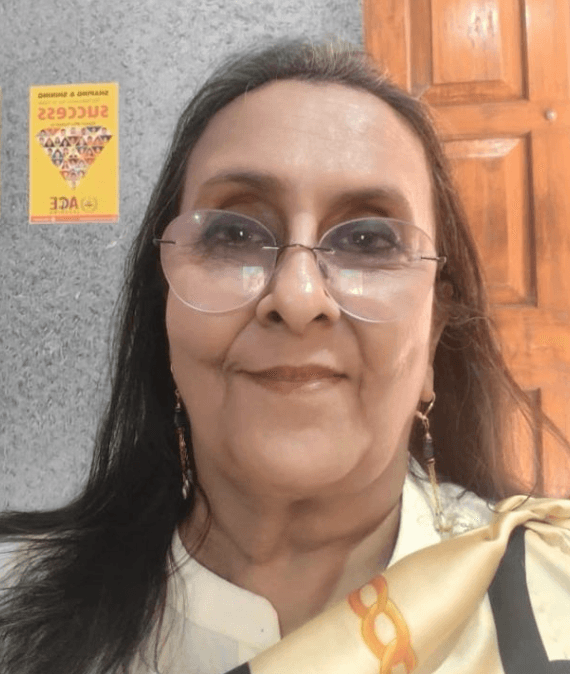
Jyoti Gandhi
NON-FICTION
GENRE
154
NO. OF PAGES
Paperback
BINDING
Introduction
When Jyoti Gandhi's father began showing signs of memory loss, she faced a truth many families discover too late: we often know little about brain health until it affects someone we love. Her father, once a brilliant philanthropist lawyer who provided free legal advice well into his 80s, was diagnosed with Alzheimer's disease. This shocking news changed everything.
"My father expired from Alzheimer's disease," Gandhi shares with quiet emotion. "When he found out that we didn't know what Alzheimer's is, I went into research." This painful moment became the spark that would light her path forward.
As Gandhi dug deeper, she uncovered alarming gaps in how we approach brain health:
Most people have limited understanding of how the brain works
Few know about prevention steps they can take early
Brain health information is often too complex for everyday use
Many wait until symptoms appear before seeking help
Early warning signs frequently go unnoticed
Her most shocking discovery came when she learned: "Alzheimer's disease or any mental disease gets into your body 15 years before it shows first physical signs." This hidden timeline meant prevention wasn't just possible—it was essential.
Gandhi saw that brain health faced two major hurdles. First, knowledge barriers: medical terms that confused people, little focus on prevention, and advice that was hard to follow. Second, practical challenges: few simple resources, complex recommendations, and limited support for families.
ACTION INSIGHT:
Don't wait for a crisis to learn about brain health. Start today by spending just 15 minutes researching one brain-healthy habit you can add to your routine. Small, consistent actions—like learning a new skill or adding certain foods to your diet—can protect your brain years before problems might develop. The best time to plant a tree was 20 years ago; the second best time is now.

Pre-Author Life
Before becoming a brain health champion, Gandhi built a life rich with diverse experiences. Her education in business management gave her organizational skills, while counseling training taught her how to connect with people in meaningful ways.
"I have touched over 45,000 lives," she reflects without a hint of boasting. "I have done about 450 webinars globally. Many senior citizen groups, rotary clubs, inner wheel, giants, lions..." Her voice trails off, the numbers speaking for themselves.
Gandhi's journey wasn't planned from the beginning. It evolved through:
Business management studies that taught her systems thinking
Counseling certification that opened doors to understanding human needs
Brain gym coaching that revealed practical exercises for brain health
Lifestyle training that connected daily habits to long-term outcomes
Health professional development that brought scientific backing to her work
Her love of learning ran deep: "I have more than 3,000 books in my house," she shares. "When my children were small, while feeding them, I would tell stories from the Ramayana, Mahabharata, Gita, and tales of Lord Hanuman. From there, this journey started."
This combination of formal education, personal experience, and cultural wisdom created a unique approach to brain health—one that respected science while remaining deeply practical and accessible.
ACTION INSIGHT:
Build a diverse knowledge base rather than staying in one lane. Gandhi's impact comes from combining business skills, counseling techniques, health knowledge, and cultural wisdom. This week, explore a subject outside your comfort zone that might complement your main expertise. Read an article from a different field, listen to a podcast on an unfamiliar topic, or have coffee with someone whose work differs from yours. The connections between seemingly unrelated areas often spark the most innovative solutions.
The Trigger Point
The moment that changed everything for Gandhi came while watching her father's brilliant mind slowly fade. As a lifelong legal professional who helped others without charging fees, he embodied service and sharp thinking.
"My father was a philanthropist. At the age of 80, he was still giving legal advice," she remembers. "But he was always stressed. He would ask about the cases of 10-12 people, what briefs they write, what they have to say, what argument."
This constant mental pressure, she later realized, may have contributed to his condition. As she watched his decline, several critical insights emerged:
Brain health problems often begin years before symptoms appear
Chronic stress can significantly damage brain function over time
Daily habits either protect or harm our brains
Social connections play a vital role in mental wellness
Prevention is possible with the right knowledge and practices
Gandhi's research journey wasn't academic—it was deeply personal. "It is so painful that when I went into research and asked why did this happen, how did it happen," she shares, describing the questions that kept her awake at night.
This pain transformed into purpose as she discovered that many brain health conditions, including her father's, might have been prevented or delayed with earlier intervention and lifestyle changes. What began as a daughter's search for answers evolved into a mission to help others avoid similar suffering.
ACTION INSIGHT:
Notice where your pain points toward purpose. Gandhi's greatest contribution came from her deepest hurt. This week, reflect on a personal challenge you've faced or are facing now. Ask yourself: What have I learned from this experience that might help others? What insight do I now have that wasn't available to me before? Write down three lessons from your difficult experience and consider how sharing them might benefit someone else facing similar circumstances.


Choosing the Topic
When Gandhi decided to write her book, she faced an important choice: should she focus on the science of brain diseases or on practical prevention anyone could understand? She chose the path that could help the most people.
Her book centers on simple approaches everyone can use:
Easy-to-do neurological exercises that strengthen brain function
Everyday foods that support brain health
Simple pressure point techniques that reduce stress
Small lifestyle changes with big brain benefits
Prevention strategies that can start at any age
"I teach in simple language," she emphasizes with conviction. "My book is also in simple language. I am trying to avoid doctor's language. If I want to reach out to the general public, then I have to simplify it."
This commitment to clarity shaped not just what she included, but how she organized her content. She carefully considered different audiences:
Senior citizens looking to maintain brain function
Working professionals managing high stress levels
Housewives and mothers juggling multiple responsibilities
Corporate executives making critical decisions under pressure
General readers concerned about their future brain health
For each group, she provided specific guidance on daily practices, food choices, exercise routines, and lifestyle adjustments that could protect their brain health—all explained in terms anyone could understand and implement.
ACTION INSIGHT:
Make complexity accessible through simplicity. Gandhi's impact comes from translating complicated medical concepts into everyday language. This month, identify one complex idea you understand well and challenge yourself to explain it to a 10-year-old. Use simple words, practical examples, and clear comparisons. The discipline of simplifying forces deeper understanding and makes your knowledge useful to more people. Remember Einstein's wisdom: "If you can't explain it simply, you don't understand it well enough."
Publishing Journey
Taking her brain health message from workshops to the printed page required careful planning. Gandhi approached publishing with the same thoughtfulness she brought to her teaching, focusing on how to reach people from different backgrounds and language groups.
Her priorities remained clear throughout the process:
Using simple language anyone could understand
Including practical examples people could relate to
Creating versions in multiple languages to reach more communities
Adapting content to respect cultural differences
Focusing on implementation rather than just information
The translation process became more than just converting words—it meant ensuring the message would resonate across different communities:
The English version served international audiences
The Hindi translation reached millions across India
The Gujarati adaptation connected with her regional community
Each version considered cultural contexts and local examples
Implementation guidance was tailored to different lifestyles
By creating a book that crossed language barriers, Gandhi ensured her father's experience could help prevent suffering for families from many different backgrounds and communities.
ACTION INSIGHT:
Make your message accessible to those who need it most. Gandhi's work reaches more people because she prioritized breaking down language barriers. Consider how your own knowledge or message might be adapted to reach people who don't share your background, education level, or primary language. This week, identify one way you could make something you know more accessible—perhaps by creating a simpler version, using more visual explanations, or collaborating with someone from a different community who can help translate your ideas.
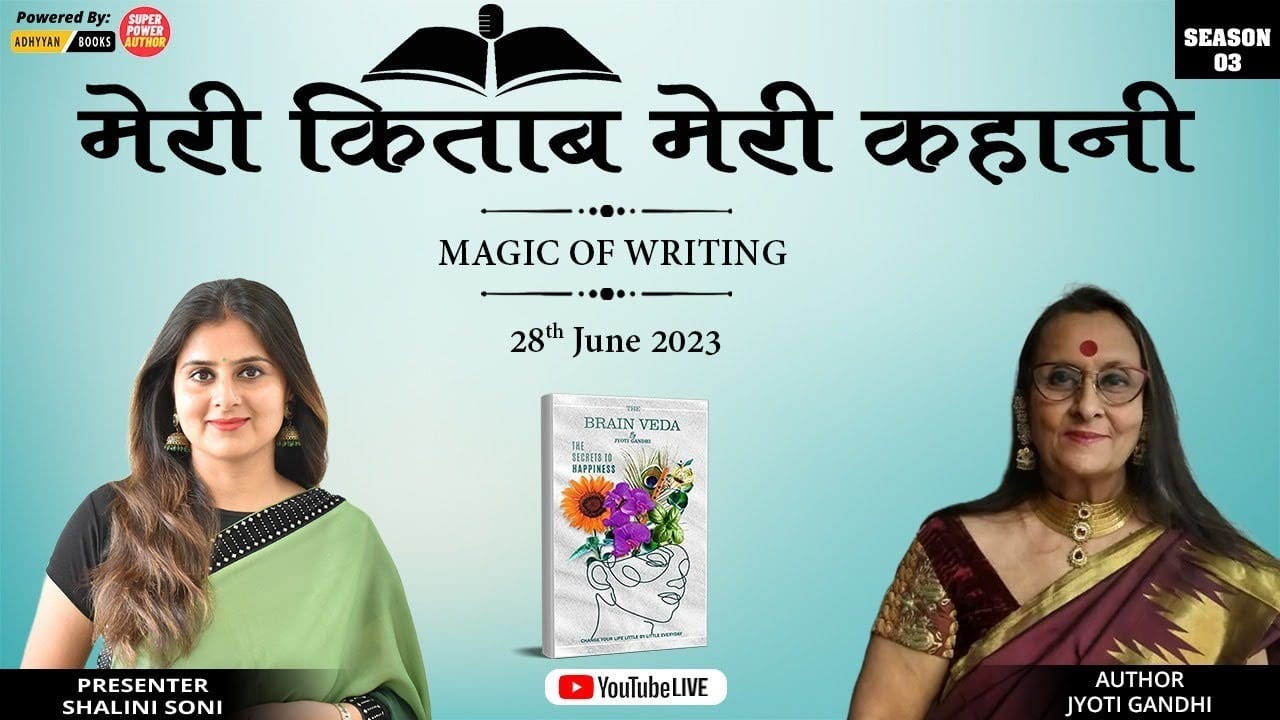
Marketing and Branding
Unlike many authors focused primarily on book sales, Gandhi measures success by lives changed. Her approach to sharing her work centers on proving its value through practical demonstration and real-world application.
Her outreach extends through multiple channels:
Webinars that reach global audiences from their homes
Corporate workshops that bring brain health to workplaces
Community programs that strengthen neighborhood wellness
Senior citizen group sessions that target high-need populations
Professional network events that spread knowledge among influencers
Rather than just talking about brain health, Gandhi shows it in action:
Live demonstrations of brain exercises anyone can do
Interactive workshops where people practice techniques
Practical sessions showing immediate benefits
Case studies of real people who've improved their brain health
Success stories that inspire others to take action
This hands-on approach creates believers, not just readers. When people experience improvement firsthand, they become ambassadors who spread the message further.
ACTION INSIGHT:
Show, don't just tell. Gandhi's impact comes from demonstration, not just information. This month, find one opportunity to show the value of what you know rather than just explaining it. Offer a free mini-workshop, create a short demonstration video, or guide someone through a process step by step. When people experience benefits directly, they're more likely to adopt new practices and share them with others. Your knowledge becomes useful only when put into action.
The Business Impact
The influence of Gandhi's work extends far beyond book sales to creating lasting change in how people think about and care for their brains. Her impact touches individuals, families, workplaces, and communities.
Key areas of influence include:
Growing public awareness about brain health prevention
Practical prevention practices adopted by thousands
Strengthened family support systems for those facing challenges
Improved corporate wellness programs that include brain health
Enhanced community health through shared knowledge
The numbers tell part of the story:
More than 45,000 lives directly touched
Over 450 global webinars conducted
Multiple language versions reaching diverse communities
Corporate implementations changing workplace wellness
Community programs creating support networks
But the real impact happens in homes where families now have tools to protect their loved ones' brain health, in workplaces where stress management includes brain exercises, and in communities where prevention has become part of everyday wellness conversations.
Gandhi summarizes her philosophy with a simple saying: "Do good and cast it into the river." The ripples of positive change continue long after the initial action.
ACTION INSIGHT:
Measure impact, not just output. Gandhi tracks lives changed, not just books sold. This week, reconsider how you measure success in your work or personal projects. Beyond traditional metrics like money earned or items produced, what impact metrics could you track? Number of people helped? Positive changes reported? Problems solved? Creating alternative success measurements keeps you focused on meaningful outcomes rather than just activity. Remember that what gets measured gets managed—so measure what truly matters.
Final Advice for Aspiring Authors
Drawing from her journey, Gandhi offers guidance that applies not just to writing but to any mission of service: "Do good and put it in the river... Live and let live."
Her approach combines practical wisdom with deep values:
Stay connected to nature and its rhythms
Never stop learning and growing
Focus on practical solutions people can actually use
Serve your community with your knowledge
Share what you know freely without expectation
For those creating content that helps others, she recommends:
Use simple language everyone can understand
Include practical examples from everyday life
Respect cultural backgrounds and differences
Focus on how people can implement advice
Engage with readers through stories they recognize
Beyond content creation, Gandhi emphasizes personal development:
Commit to continuous learning in your field
Serve your community with your growing expertise
Share knowledge generously without hoarding it
Practice what you teach in your own life
Measure your impact through lives improved
ACTION INSIGHT:
Give without expecting immediate returns. Gandhi's philosophy of "do good and cast it into the river" reminds us that our best work often creates value in ways we cannot track or measure. This month, offer something valuable—knowledge, service, support, or creative work—without attaching strings or expectations. The practice of giving freely often creates unexpected opportunities and connections that calculated giving never could. True influence grows from genuine service.
Conclusion
Jyoti Gandhi's journey from devastating personal loss to becoming a brain health pioneer shows how pain can transform into purpose. When her father's brilliant legal mind was stolen by Alzheimer's disease, she could have remained trapped in grief. Instead, she channeled that emotion into a mission that has touched tens of thousands of lives.
Her success demonstrates that complex medical knowledge, when translated into everyday language and practical steps, can create meaningful change in how we prevent and manage brain health issues.
"Stay connected to nature," Gandhi advises, embodying her philosophy of finding simple, practical solutions to complex health challenges. This connection to natural rhythms and wisdom grounds her work in accessible reality rather than abstract theory.
For readers facing their own challenges or seeking to create positive change, Gandhi's story offers a powerful reminder: our deepest wounds often reveal our most meaningful work. By turning toward rather than away from difficult experiences, we can transform personal tragedy into gifts that heal not only ourselves but countless others.
ACTION INSIGHT:
Use your unique path to help others find theirs. Gandhi's specific combination of personal experience, education, and cultural wisdom created an approach to brain health that wouldn't have existed otherwise. This month, reflect on your own unique combination of experiences, skills, and knowledge. How might this particular blend allow you to serve in ways others cannot? The place where your pain, learning, and gifts intersect often reveals your most meaningful contribution to the world.

Annual Membership Regular
Price Rs. 9980/-
(One-Time-Offer Only ₹499/-)
Unlock the secrets of Bestselling Authors
📘 Over 100 more case studies like these...
We Have Been Featured In..
 Unlock all case studies

All Case Studies

Followers
11000+

Followers
8439

Subscribers
11100+

Groups
500+
LAXIMUS BUSINESS VENTURES PRIVATE LIMITED