contact@adhyyanbooks.com | +91-9986728203








All Case Studies

LAXIMUS BUSINESS VENTURES PRIVATE LIMITED
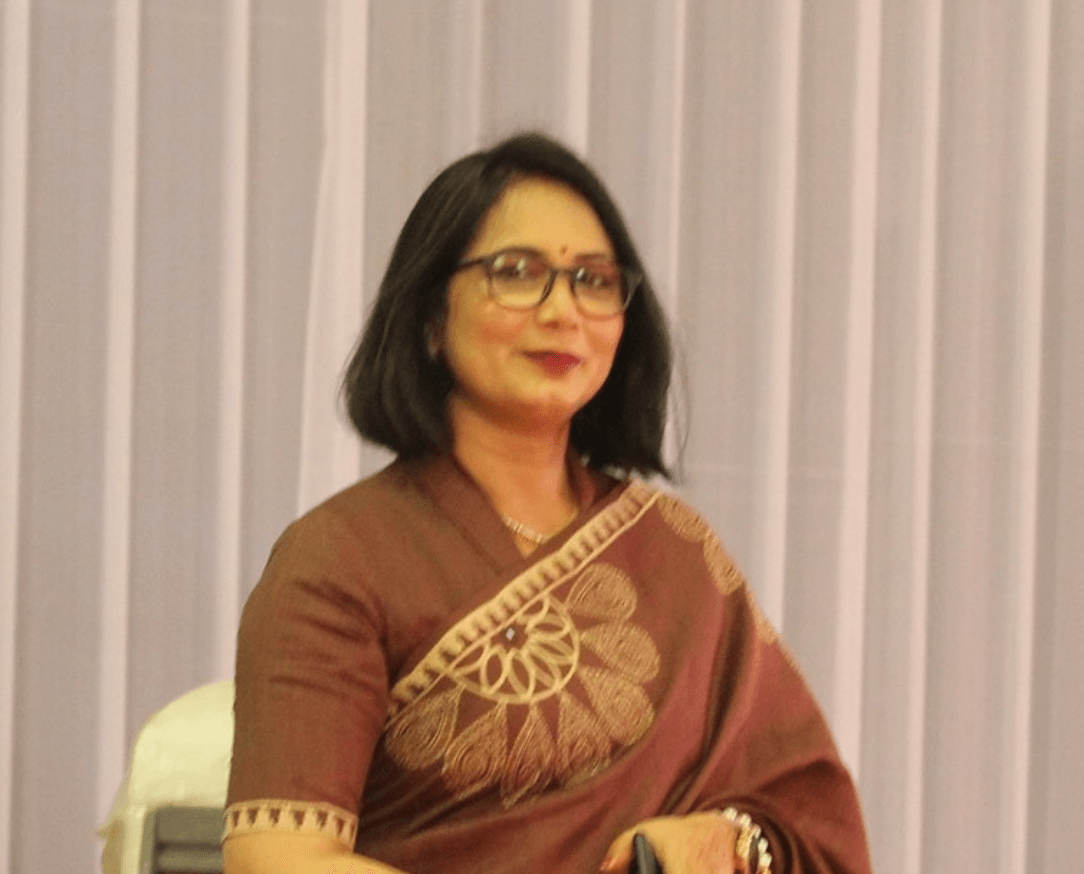
Dr. Kanchan Singh's Inspirational Journey of Knowledge, Purpose and Impact
Dr. Kanchan Singh
NON-FICTION
GENRE
155
NO. OF PAGES
Paperback
BINDING
Introduction
Some people spend their lives within the boundaries of a single profession. Others, like Dr. Kanchan Singh, discover that their knowledge can transcend traditional borders, creating ripples of impact across diverse domains. Her remarkable journey from the structured halls of academia to the creative realm of authorship—and eventually to the practical fields of agricultural innovation—offers a powerful blueprint for turning expertise into meaningful change.
With a prestigious PhD in Literature from Gorakhpur University, Dr. Singh could have safely remained within academic circles. Instead, she chose a path less traveled, one that would eventually lead her to publish an insightful book and pioneer sustainable agricultural practices that transform rural communities.
Her story isn't just about personal achievement—it's about recognizing the unique position each of us occupies at the intersection of our knowledge, experiences, and observations. It's about understanding that sometimes the most meaningful contributions come not from following established paths but from building bridges between seemingly unrelated domains.
Dr. Singh's journey reveals how authentic observation, patient documentation, and courageous action can transform specialized knowledge into wide-reaching impact. Whether you're an academic yearning to share your insights beyond journal articles, a professional seeking to document your expertise, or someone simply looking to make a greater difference, her path offers valuable lessons on turning knowledge into meaningful action.
As we explore her transition from academic researcher to published author and agricultural innovator, you'll discover practical insights for your own journey—proving that expertise, when thoughtfully shared and boldly applied, can create ripples of positive change far beyond its original sphere.
ACTION INSIGHT:
Identify the unique vantage point your education, career, or personal experiences have given you. What do you regularly observe that others might miss? Start a simple observation journal, noting one unique insight daily that comes from your particular perspective.
The Pre-Author Life
Before her name appeared on a book cover, Dr. Kanchan Singh built her foundation in the meticulous world of academic research. Her days revolved around analyzing literature, developing critical thinking skills, and crafting arguments that could withstand scholarly scrutiny.
As a doctoral candidate at Gorakhpur University, she immersed herself in the nuanced study of Kedarnath Singh's poetic language under the guidance of Professor Ramdev Shukla, head of the literature department. This rigorous academic journey refined her analytical skills and trained her to identify patterns and meanings that might escape the casual observer.
The academic path gave Dr. Singh more than just credentials—it provided her with a structured approach to understanding complex ideas and communicating them clearly. These skills would later prove invaluable when translating her observations into written form.
Yet within this structured academic world, a seed of something different was taking root. During her doctoral defense, Professor Ram Meshwari made an observation that would linger in her mind: "You have the skill to write a book."
Those simple words acknowledged something important—that her abilities extended beyond academic analysis to something more creative, more accessible, and potentially more impactful for a broader audience.
While many academics might hear such encouragement and file it away as a pleasant compliment, Dr. Singh held onto these words. Even as she completed her doctorate and could have followed the traditional path of academic publishing and teaching, part of her remained open to this alternative possibility.
This openness to possibilities beyond the expected path would become a defining characteristic of Dr. Singh's journey. Her academic training provided the foundation, but her willingness to consider different applications for her skills would ultimately lead her to unexpected opportunities for impact.
The transition from academic researcher to author didn't happen overnight. It began with this simple acknowledgment of potential, a seed planted by a perceptive professor who recognized that her analytical skills and clear communication could serve purposes beyond the academy.
ACTION INSIGHT:
Reflect on compliments or observations others have made about your strengths that don't fit neatly into your current role. Write down three skills you've developed that could be valuable in contexts you haven't yet explored. Ask a trusted mentor or colleague what untapped potential they see in you.
The Trigger Point
Meaningful transitions often begin not with grand plans but with the simple act of paying attention. For Dr. Singh, the path toward authorship emerged gradually through her unique geographical and personal circumstances—a daily reminder that sometimes our greatest opportunities lie right outside our door.
Living near the Gorakhpur temple placed Dr. Singh in an extraordinary position to observe a world few others could access. Her home's proximity to this spiritual center meant that what might be occasional visits for others was a daily part of her life. This regular exposure allowed her to notice patterns and changes that would remain invisible to the casual visitor.
The most significant catalyst, however, came through her husband's frequent interactions with Yogi Adityanath, then a young spiritual leader at the temple. "Generally we used to start daily from that path and he had more interaction with yogis than me," she recalls. "So daily he used to come to me and tell me stories about his experiences with yogis."
These secondhand accounts became a treasured daily ritual. Her husband would return home with fresh observations, anecdotes, and insights that illuminated the character and values of this spiritual community. Without consciously planning it, Dr. Singh became the repository of these stories—the keeper of moments and exchanges that revealed the human side of spiritual leadership.
What makes Dr. Singh's trigger point particularly instructive is its unplanned nature. She didn't set out to collect material for a book. Instead, she simply received each story with interest, allowing them to accumulate naturally over time. This organic collection process ensured that her eventual writing would be grounded in authentic observation rather than constructed narrative.
"I didn't think that I will be able to give it a book shape," she admits, highlighting how the transition from collection to creation often happens without a clear moment of decision. The stories simply accumulated until their collective weight suggested a larger purpose.
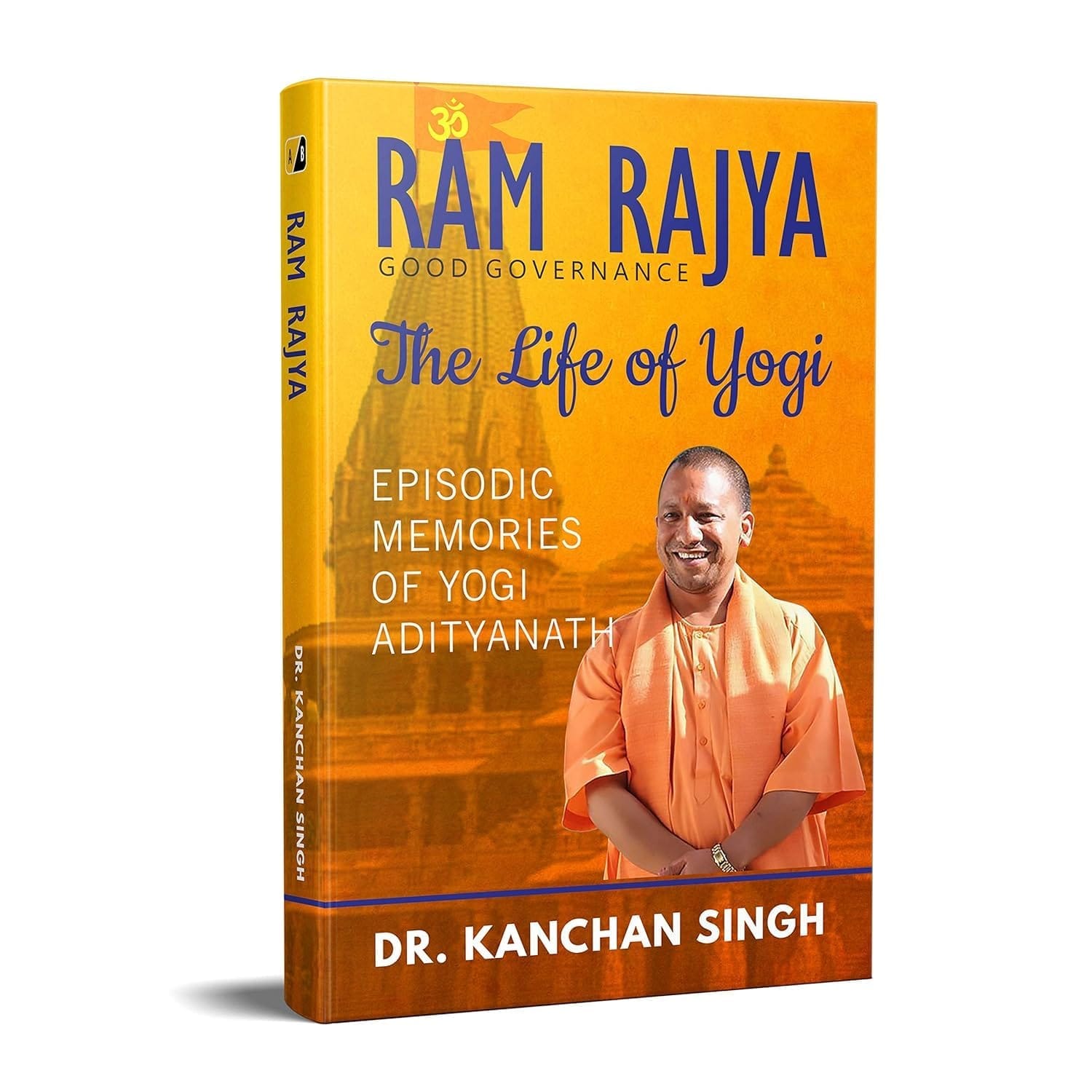
The moment that crystallized her writing journey came years later when Yogi Adityanath became Chief Minister. Suddenly, these personal stories she had collected held increased significance—they offered unique insights into the formative experiences and character of a now-public figure.
"When Yogi ji became the CM, then I got to know more about him and I kept writing to him," she explains, marking the transition from passive collector to active documentarian.
Her trigger point teaches us that sometimes the most valuable content for our creative work isn't found in dramatic moments but in the patient accumulation of daily observations from our unique vantage point.
ACTION INSIGHT:
Identify one unique environment you regularly access that others don't (a particular workplace, community, family dynamic, or physical location). For one week, take five minutes daily to jot down one observation that would be valuable to others who don't have access to this environment. Notice how quickly these observations accumulate into unique insights.
Choosing the Topics
When most people contemplate writing a book, they often begin with an intensive search for the "right" topic—something marketable, unique, and aligned with current trends. Dr. Singh's approach teaches us something different: sometimes the most compelling topics choose us through our unique life position and accumulated observations.
Dr. Singh didn't artificially select her subject matter. Instead, she recognized the value in what she had already been collecting—stories and observations about Yogi Adityanath from a period before his political prominence. This pre-political perspective became the book's natural focus, offering readers insights into the character and values that shaped his later public service.
"I didn't think that I will be able to give it a book shape," she explains with characteristic humility. This statement reveals a crucial truth about authentic topic selection: the most compelling books often emerge not from calculated market analysis but from recognizing the value in what we've already been observing.
Several factors made this topic selection particularly powerful:
Personal proximity gave her access to stories and perspectives few others could obtain. Living near the Gorakhpur temple placed her family in a position to observe daily interactions that remained invisible to outsiders.
Temporal advantage allowed her to collect observations during a formative period before public scrutiny changed interactions. Her observations captured authentic moments from a time when her subject was known primarily as a spiritual leader rather than a political figure.
Accumulated perspective meant that her book wasn't based on a brief period of research but on years of consistent observation. This long-term view allowed her to identify patterns and consistencies in character that short-term observation might miss.
Relationship authenticity enhanced the quality of her material. The stories came through her husband's direct interactions, providing firsthand accounts rather than secondhand analysis.
Dr. Singh's approach to topic selection teaches us that sometimes the most valuable contribution we can make isn't finding a new subject but offering a unique perspective on a subject we already know intimately. She didn't need to become an expert on something new—she simply needed to recognize the value in what she had already witnessed.
This organic approach to topic selection also suggests that meaningful writing often begins not with asking "What should I write about?" but rather "What am I already uniquely positioned to share?"
ACTION INSIGHT:
List three areas of your life where you have "insider knowledge" through your work, location, relationships, or experiences. For each area, identify specific insights you've gained that would be valuable to others without your access. Choose the one where your perspective offers the most unique value, and outline three specific stories or observations you could share.
Publishing Journey
The path from private observations to published book rarely follows a straight line. Dr. Singh's publishing journey illustrates how organic collection and patience can ultimately lead to a meaningful final product—even without following traditional publishing formulas.
Unlike authors who begin with a detailed outline and structured writing schedule, Dr. Singh's process was more intuitive. She collected stories and observations over years, allowing them to accumulate naturally through her husband's daily interactions at the temple. This organic approach ensured that her eventual book would be grounded in authentic experiences rather than manufactured narratives.
"I kept writing to him," she explains, describing how her documentation evolved from casual note-taking to more purposeful collection as she recognized the potential significance of these stories. This gradual shift from passive receiver to active documentarian happened naturally as the value of her unique vantage point became clearer.
The development process unfolded through several key stages:
Continuous observation formed the foundation, with new stories and insights regularly adding to her collection. Rather than setting arbitrary deadlines, she allowed the material to accumulate at its own pace.
Experience compilation involved organizing these observations into coherent themes and narratives. The stories weren't random anecdotes but pieces of a larger picture revealing character and values.
Personal verification ensured accuracy, with Dr. Singh carefully confirming details before including them in her manuscript. This commitment to truth over sensation distinguished her work from more sensationalized accounts.
Narrative shaping transformed individual stories into a cohesive book that revealed patterns and insights. Without forcing artificial structure, she allowed natural themes to emerge from the material itself.
What makes Dr. Singh's publishing journey particularly instructive is its emphasis on authenticity over formula. She didn't follow a predetermined template for how a book "should" be written. Instead, she trusted the value of her unique material and focused on presenting it truthfully.
"When I wrote it on the computer, I didn't think I would be able to take it this far," she reflects, highlighting how the publishing process often unfolds one small step at a time rather than through grand master plans.
Most notably, she recognized when the manuscript had reached completion: "If I had stopped it, I would have thought of adding more things to it, but a book can never be finished. So I will keep it here." This wisdom—knowing when to conclude despite the temptation to endlessly refine—marks the difference between perpetual planning and actual publication.
ACTION INSIGHT:
Start a "completion calendar" for your creative project. Set three progressive milestones: 1) Collection phase (gathering raw material), 2) Organization phase (arranging material into coherent sections), and 3) Refinement phase (polishing the content). Assign specific dates to each milestone and commit to moving forward when they're reached, even if perfection feels elusive.

Marketing and Branding
In today's publishing landscape, authors are often told they need elaborate marketing strategies and personal branding campaigns to succeed. Dr. Singh's approach offers a refreshing alternative—letting the unique value of your content serve as its own most powerful marketing tool.
Rather than focusing on promotional tactics, Dr. Singh emphasized the distinctive perspective her book offered: authentic insights into Yogi Adityanath from before his political career. "The general world does not know about it," she explains, identifying the key value proposition that would naturally attract readers interested in understanding the person behind the public figure.
This perspective-based marketing approach relied on several key strengths:
Pre-political window allowed readers to understand formative experiences and character traits that shaped later public service. By documenting observations from before political prominence, the book offered insights unavailable through mainstream coverage.
Personal anecdotes revealed character through specific actions rather than abstract claims. Stories like the blood bank incident—where Yogi Adityanath helped someone seeking blood for their daughter regardless of their background—illustrated values through concrete examples.
Everyday details humanized the subject through observations about habits and preferences that remained unchanged despite changing circumstances. Noting that he maintained simple food preferences—"Plain roti and dal, village dal... same food that was there before becoming CM"—provided readers with authentic glimpses beyond public personas.
Balanced perspective distinguished her work from both uncritical praise and cynical criticism. By including observations about support for Muslims and describing the subject as a "real nationalist," she presented a nuanced view that appealed to readers seeking understanding beyond partisan positions.
Dr. Singh's marketing approach teaches us that sometimes the most effective promotion comes not from elaborate strategies but from clearly communicating the unique value your perspective offers. Rather than trying to create artificial interest through promotional tactics, she focused on the inherent worth of her observations.
This content-centered approach to marketing aligns perfectly with her organic writing process. Just as she didn't force artificial structure on her collection of stories, she didn't impose manufactured marketing angles on her finished book. The authenticity that characterized her writing process extended naturally to how she presented the book to potential readers.
For authors concerned about marketing, Dr. Singh's example suggests a simple but powerful alternative: identify what makes your perspective genuinely unique, communicate that value clearly, and trust that readers seeking authentic insights will find their way to your work.
ACTION INSIGHT:
Create a "unique perspective statement" for your project by completing this sentence: "My work offers value because I can show readers _______ that they cannot easily find elsewhere." Then identify three specific examples from your content that demonstrate this unique perspective. These examples become your most powerful marketing assets.
The Business Impact
Dr. Kanchan Singh's journey extends well beyond publishing a book. Her story illustrates how expertise in one domain can provide the foundation for unexpected impact in entirely different areas—demonstrating that our knowledge and experiences can find purpose in surprising ways.
While her book documented spiritual and personal observations, Dr. Singh's most transformative work emerged in agricultural innovation. This seemingly unrelated field became the platform where her analytical thinking, documentation skills, and commitment to authenticity found practical application.
Her agricultural initiatives focus on several key areas of impact:
Black rice cultivation introduced sustainable crops with higher market value. By championing this specialty crop, she helped farmers access premium markets while practicing sustainable methods.
Organic farming methods eliminated dependence on expensive chemical inputs. "Like in organic, like we are doing black rice, so there is nothing to lose. What we are talking about double income, we are not using any fertilizers. Only water and vermicompost," she explains, highlighting how sustainable practices reduced costs while increasing profit potential.
Rural modernization brought contemporary knowledge and infrastructure to village communities. "I see beautiful lights all around me. I can say that the roads in my village are better than those in Delhi," she notes, describing physical improvements that parallel knowledge advancement.
Digital empowerment connected traditional farming with modern information resources. "The boys in the village have a lot of knowledge. They can search from the net," she observes, highlighting how technology access transforms rural possibilities.
Marketing innovations helped farmers capture more value from their production. "Organically, you can make good packets for the villagers and in a decent style, you can distribute or sell black rice or any cereal," she explains, describing how presentation and packaging increase product value.
What makes Dr. Singh's business impact particularly instructive is how it demonstrates the transferability of core skills across different domains. The same attention to detail that made her an effective academic researcher, the same documentation skills that enabled her writing, and the same commitment to authenticity that characterized her book now drive agricultural innovation.
Her work implementing government initiatives for farmer empowerment shows how individual action can amplify policy impact: "Yogiji and Modi have come up with a get out. Our farmers have been given double income. For that we have started farming."
The recognition of these efforts—"Prime Minister has announced it for the first time. He has said that Chandoli rice is black rice. And he has got an award"—demonstrates how local innovation can achieve national significance when pursued with consistency and commitment.
Dr. Singh's business impact reminds us that expertise isn't confined to specific applications but can find new expressions when we remain open to unexpected opportunities for contribution.
ACTION INSIGHT:
Identify one core skill you've developed in your primary field (like analysis, documentation, problem-solving, etc.). Consider how this same skill could create value in a completely different domain. Create a simple one-page plan for a "knowledge transfer project" that would apply your expertise to solve a problem in this new area.
Final Advice for Aspiring Authors
The journey from idea to published book can seem overwhelming, especially for those who don't identify primarily as writers. Dr. Singh's experience offers practical wisdom for anyone considering this path—whether you're an academic with specialized knowledge, a professional with valuable expertise, or simply someone with unique observations to share.
Her approach emphasizes several key principles that aspiring authors would be wise to adopt:
Observe deeply before writing. Dr. Singh's book emerged from years of patient observation and collection. Rather than forcing content creation, she allowed insights to accumulate naturally through daily attention to her unique environment. This approach ensures writing emerges from authentic understanding rather than manufactured content.
Record experiences consistently. Even without a clear plan for publication, Dr. Singh documented stories and observations as they occurred. This ongoing documentation created a rich repository of material that eventually formed the foundation of her book. Regular recording prevents valuable insights from being lost to memory.
Maintain authenticity throughout. From collection to publication, Dr. Singh prioritized truthful representation over sensationalism. Her book gained credibility precisely because it offered genuine insights rather than calculated narratives designed for maximum impact.
Practice patience in development. The evolution from collected observations to published book unfolded gradually. By allowing the material to develop at its own pace, Dr. Singh ensured that her book emerged organically rather than being forced into existence prematurely.
Follow your instincts about completion. Knowing when a manuscript is complete can be challenging, but Dr. Singh recognized that perfection is elusive: "A book can never be finished. So I will keep it here." This wisdom—accepting that further improvements are always possible but not always necessary—allowed her to release her work rather than perpetually refining it.
Her approach to future writing projects further emphasizes this organic process: "I have already planned but I will not share the topic... I will try to write a part 2." This statement reveals how authentic writing often emerges from continued observation rather than artificial deadlines or market pressures.
Perhaps most importantly, Dr. Singh demonstrates that authorship doesn't require a lifetime dedicated to writing. Her identity encompasses multiple roles—academic, author, agricultural innovator—with writing serving as one valuable expression of her knowledge and observations rather than her primary identity.
For aspiring authors intimidated by the writing process, her multifaceted career offers reassurance that valuable books can emerge from experts who don't consider themselves writers first. The key is recognizing when your unique perspective offers value that deserves broader sharing.
ACTION INSIGHT:
Begin a simple "observation capture system" that fits naturally into your daily routine. This could be a note-taking app on your phone, a small notebook carried consistently, or an evening reflection practice. Commit to recording just one observation daily from your unique vantage point. After 30 days, review these observations for patterns and insights that might form the foundation of your unique contribution.
Conclusion
Dr. Kanchan Singh's remarkable journey from academic researcher to published author and agricultural innovator offers a powerful blueprint for turning knowledge into meaningful impact. Her story isn't just inspiring—it's instructive, revealing practical pathways for anyone seeking to share their expertise more widely or apply their skills in unexpected domains.
Three key principles emerge from her experience:
First, your unique vantage point has value. Dr. Singh's proximity to the Gorakhpur temple and access to stories through her husband's interactions positioned her to document perspectives few others could capture. Similarly, your daily experiences, professional knowledge, or personal observations likely contain insights that would be valuable to others—if only you recognize their worth.
Second, patient documentation creates powerful foundations. Rather than forcing content creation, Dr. Singh collected stories and observations over years, allowing them to accumulate naturally. This organic approach ensured her eventual book arose from authentic material rather than manufactured content. Even without a clear publication plan, documenting your unique insights creates a repository of value that may find unexpected purpose.
Third, impact often transcends boundaries. Perhaps most remarkably, Dr. Singh's journey didn't stop with publishing. Her analytical skills and commitment to authenticity found new expression in agricultural innovation, transforming rural communities through sustainable farming practices. Your expertise likely has applications beyond its original domain—if you remain open to unexpected opportunities.
For those hesitating to share their knowledge more widely, Dr. Singh's path offers reassurance that you don't need to identify primarily as a writer to create valuable written work. Your expertise, thoughtfully documented and authentically shared, can find its audience and create meaningful change.
Whether you're considering writing a book, searching for new applications of your professional knowledge, or simply seeking to make a greater difference, her journey reminds us that our unique perspectives matter. When we pay attention to what we're uniquely positioned to observe, document these insights consistently, and remain open to unexpected applications, our knowledge can create ripples of positive impact far beyond our immediate sphere.
The question isn't whether your knowledge and experiences have value—it's how and when you'll share them with those who could benefit. Dr. Singh's journey suggests that the time to begin documenting your unique perspective is now, even if the full purpose of this collection reveals itself only in time.
ACTION INSIGHT:
Take the first step toward your own knowledge-sharing journey today. Identify the single most valuable insight from your experience that others would benefit from knowing. Write it down in clear, simple language. Share it with one person who could benefit. This small action begins the process of transforming your private knowledge into public value—just as Dr. Singh's journey began with simple, daily observations that eventually changed lives.

Annual Membership Regular
Price Rs. 9980/-
(One-Time-Offer Only ₹499/-)
Unlock the secrets of Bestselling Authors
📘 Over 100 more case studies like these...
We Have Been Featured In..
 Unlock all case studies

All Case Studies

Followers
11000+

Followers
8439

Subscribers
11100+

Groups
500+
LAXIMUS BUSINESS VENTURES PRIVATE LIMITED