contact@adhyyanbooks.com | +91-9986728203









All Case Studies

LAXIMUS BUSINESS VENTURES PRIVATE LIMITED
How I Wrote Five Books in a Year

Dr. Gowri Shankar
NON-FICTION
GENRE
348
NO. OF PAGES
Paperback
BINDING
A Background in Banking
Dr. Gowri Shankar's journey to becoming a celebrated author began in the financial sector, where he spent over 15 years developing expertise across multiple domains of banking. Working in retail banking, corporate banking, and foreign exchange within a public sector bank provided him with a comprehensive understanding of India's financial system.
"Working in various departments of banking gave me a 360-degree perspective on finance and its impact on the economy," Gowri reflects. This diverse experience would later become the foundation for his writing career.
While excelling professionally, Gowri maintained a lifelong passion for writing that traced back to his childhood. "From my childhood, I found joy in crafting short stories. It was my way of expressing thoughts and emotions," he shares. Though initially just a personal pursuit, this creative outlet would eventually transform into something much more significant.
Professional Foundation:
15+ years in banking across retail, corporate, and foreign exchange divisions
Developed specialized knowledge in simplifying complex financial concepts
Built discipline and structure that would later benefit his writing process
Writing Connection:
Maintained creative writing as a personal passion throughout his banking career
Developed a natural ability to explain complex concepts in accessible language
Recognized the transferable skills between banking's precision and effective writing
ACTIONABLE INSIGHT :
Identify how your current professional expertise can become valuable content for others. Create a simple two-column list: in the first column, list 5-7 specialized skills or knowledge areas from your career; in the second, note specific challenges people face that this expertise could help solve. This intersection of your knowledge and others' needs is your unique value proposition as a potential author.

The Turning Point: A Vision for Simplified Learning
The catalyst for Gowri's transformation from banker to author came from a clear gap he identified in educational resources. Working with young professionals and students, he observed their struggles with overly technical financial literature.
"I realized that many young professionals struggled to find a resource that explained banking and finance in a simple and comprehensive way," Gowri explains. This observation became his call to action.
The Market Gap:
Existing financial literature was dense and intimidating for beginners
Academic texts often failed to connect theory with practical application
Students and early-career professionals needed accessible entry points to complex topics
Gowri's solution was straightforward but revolutionary in its approach: create a handbook that would make finance accessible to everyone, regardless of their background. "My goal was to create a resource that even someone with no prior knowledge of finance could understand," he states.
The immediate positive response validated his approach. Readers reported breakthroughs in understanding concepts they had struggled with for years. One reader shared, "Your book helped me understand the basics of banking and finance, something I couldn't grasp from other resources."
This successful entry into authorship revealed a profound truth that would guide Gowri's future work: knowledge simplified is knowledge amplified. By translating complex ideas into accessible language, he could exponentially increase their impact.
ACTIONABLE INSIGHT :
Before writing, collect 10-15 "pain points" from your target audience through conversations, online forums, or social media groups. What specific concepts do they struggle to understand? What questions keep arising? This research will help you address actual needs rather than assumed ones, significantly increasing your book's value and impact.

Validating Ideas and Targeting the Right Audience
Gowri's approach to authorship was methodical and audience-centered. "Authors must identify their readers and the message they want to convey before they even start writing," he emphasizes. This clarity became the foundation of his successful publishing strategy.
Audience Definition Process:
Identified primary readers: students, emerging managers, and professionals seeking foundational knowledge
Researched their specific challenges and knowledge gaps
Determined appropriate complexity level and practical applications needed
Gowri developed a focused purpose for each publication: "Your book should address a specific need or curiosity that your readers have." This meant aligning everything—from content selection to writing style—with reader expectations and needs.
His books weren't created in isolation but as direct responses to observed educational gaps. His work on the Indian financial system targeted young professionals needing a comprehensive yet accessible introduction. Similarly, his texts on strategic management and rural marketing addressed specific voids in academic resources.
"Each book I wrote was inspired by the needs of my readers. By identifying their struggles and expectations, I could create something meaningful and impactful," Gowri reflects. This reader-centered approach ensured his books served as solutions to real problems rather than abstract academic exercises.
ACTIONABLE INSIGHT :
Create a "reader persona" document before outlining your book. Detail your ideal reader's background, current knowledge level, goals, frustrations, and what they hope to achieve by reading your work. Keep this persona visible while writing to ensure every chapter directly serves their needs. Gowri maintained mental models of specific students and professionals he had met, writing as if explaining concepts directly to them.
A Prolific Writer: Five Books in a Year
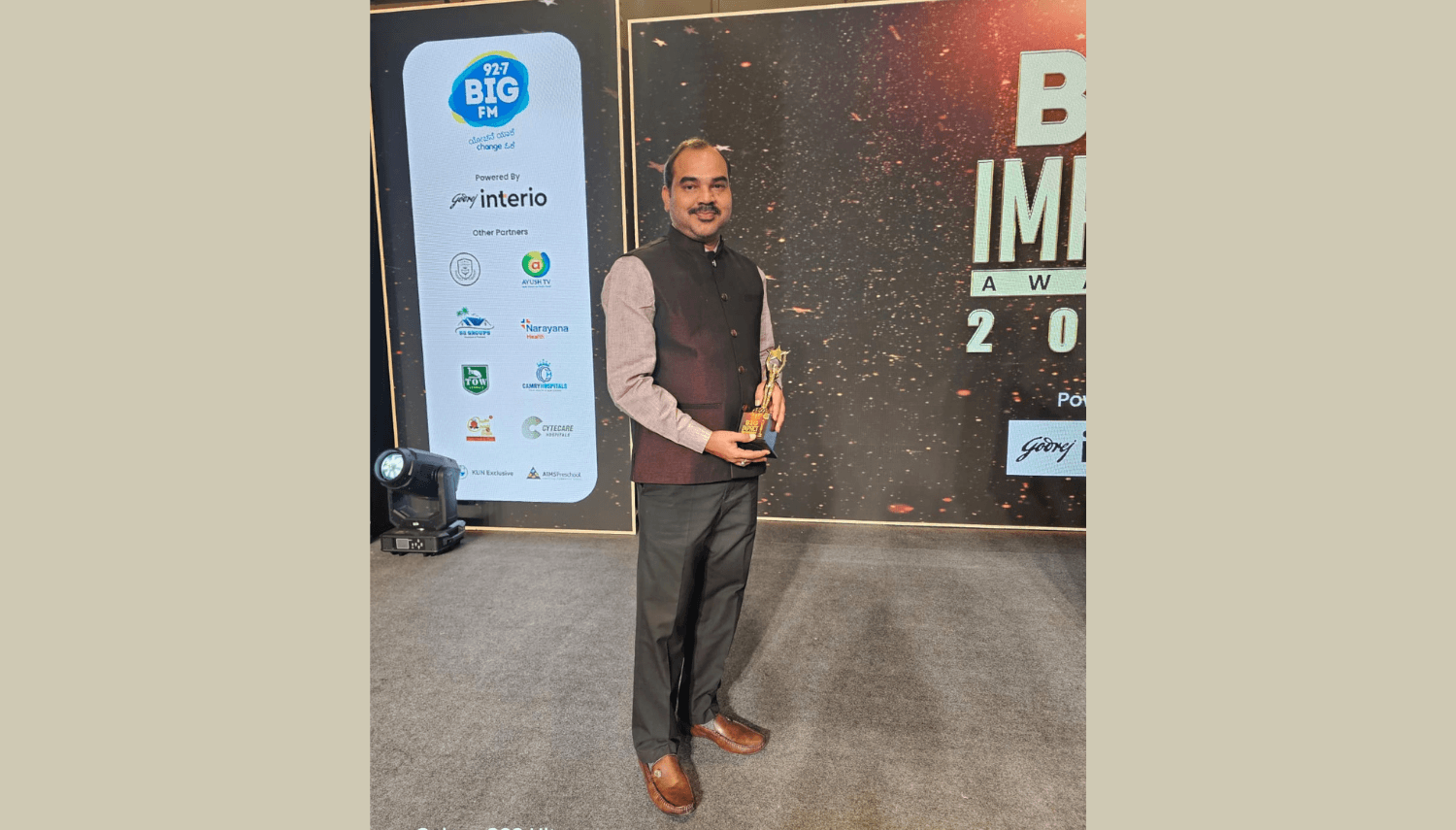
Gowri's remarkable achievement of authoring five comprehensive books within a 12-month period demonstrates both his expertise and his strategic approach to knowledge sharing. Each publication addressed different aspects of management and finance:
1. Indian Financial System A foundational guide simplifying India's complex financial framework for students and professionals. "I wanted to create something comprehensive yet easy to understand for anyone stepping into the world of finance," Gowri explains.
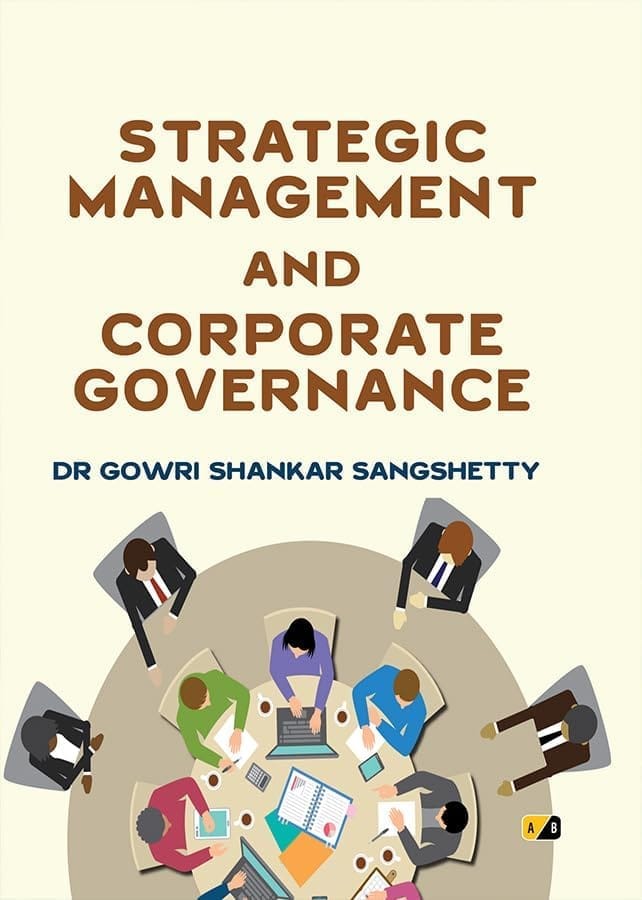
2. Strategic Management and Corporate Governance Designed specifically for management students, this book bridged theoretical concepts with practical application. "The aim was to help students understand how strategies are designed and implemented at the corporate level," notes Gowri.
3. Rural and Agriculture Marketing This specialized text highlighted often-overlooked market opportunities. "Rural markets are often underestimated, but they hold immense potential for economic growth," Gowri emphasizes, bringing attention to an area with significant untapped business potential.
4. Marketing for Consumer Value A beginner's guide to understanding consumer psychology and creating value-driven marketing strategies. "Before diving into marketing, it's crucial to understand what the consumer truly wants," Gowri shares, focusing on the human elements of business.
5. Management Insights Developed to equip emerging managers with practical tools for workplace success. "This book was about providing future managers with knowledge they could apply immediately," explains Gowri.
What made this productivity possible was Gowri's ability to draw directly from his 15+ years of professional experience, combined with his talent for distilling complex concepts into accessible frameworks. Each book built upon his existing knowledge base while addressing distinct educational needs.
ACTIONABLE INSIGHT :
When tackling multiple writing projects, create a "knowledge inventory" mapping your areas of expertise into potential chapters or sections. This helps identify overlapping content that can be adapted across projects and highlights gaps requiring additional research. Gowri's approach of building a content ecosystem rather than completely separate books allowed him to work efficiently without sacrificing quality.
Balancing Writing with a Full-Time Career
Gowri's ability to produce five books while maintaining his banking career demonstrates exceptional time management and commitment. "Balancing work and writing was challenging, but my passion kept me going," he reflects.
Strategic Time Allocation:
Dedicated specific weekend hours to writing, creating a consistent schedule
Utilized holidays and late evenings for focused writing sessions
Approached writing in manageable segments rather than marathon sessions
The foundation of his success was simple but powerful: "Passion is the driving force. If you truly enjoy writing, you'll find the time, no matter how busy you are." This intrinsic motivation enabled him to maintain momentum even during demanding periods at work.
Gowri's professional background gave him advantages that streamlined the writing process. His direct experience with the subject matter reduced research time, while his presentations and training sessions at work had already helped him refine explanations of complex concepts.
For those juggling professional demands with writing aspirations, Gowri offers practical advice:
Establish a consistent writing routine that works within existing commitments
Use short time blocks effectively rather than waiting for long, uninterrupted sessions
Connect writing to your deeper purpose to maintain motivation during challenging periods
"It's about staying committed and finding joy in the process. Writing is not just a task; it's a passion that enriches your life," Gowri emphasizes. His experience demonstrates that significant creative output is possible even within the constraints of a demanding career.
ACTIONABLE INSIGHT :
Implement a "time block inventory" by tracking your activities for one week in 30-minute increments. Identify at least five time blocks currently spent on low-value activities (social media, casual browsing) that could be repurposed for writing. Even finding just 30 minutes daily creates 3.5 hours of writing time weekly—enough to produce significant content over time. Gowri used a similar approach to identify and utilize previously overlooked pockets of time.

Research and Professional Support
While Gowri's extensive banking experience provided a strong foundation for his books, he emphasized that personal knowledge alone isn't sufficient. "Experience alone is not enough," Gowri states. "You need to complement it with detailed research to ensure your content is accurate and comprehensive."
Research Methodology:
Systematically reviewed existing literature to identify gaps and opportunities
Analyzed academic journals and industry reports to incorporate current thinking
Examined case studies to provide practical context for theoretical concepts
Perhaps equally important was Gowri's recognition that quality publishing requires collaboration. He worked closely with publishers like Adhyyan Books, who provided crucial guidance on structure, presentation, and market positioning.
"The right environment and support can make all the difference, especially for first-time authors," Gowri shares. This professional collaboration helped him avoid common pitfalls and accelerated his publishing timeline.
His approach balanced self-reliance with strategic collaboration:
Drew confidently from personal expertise in core content areas
Sought editorial feedback to refine manuscripts and improve reader experience
Leveraged publisher expertise for technical aspects of book production and distribution
"Writing a book is a collaborative effort. While the vision is yours, the insights and expertise of others can elevate your work to new heights," Gowri reflects. This willingness to incorporate outside perspectives distinguished his approach from authors who work in isolation.
ACTIONABLE INSIGHT :
Before beginning a substantial writing project, create a "knowledge gap analysis" by listing your topic's major components in one column and your confidence level (1-10) in each area in another column. For any area scoring below 7, identify specific resources (people, journals, books) you'll consult to strengthen that section. This preparation prevents research delays once writing begins and ensures comprehensive coverage of your subject.
Marketing and Professional Impact
For Gowri, authorship transcended personal fulfillment to become a powerful career asset. "Becoming an author gave me a new identity," he shares. "It opened doors to opportunities I never imagined."
Professional Transformation:
Established credibility as a subject matter expert beyond his organizational role
Created tangible evidence of his knowledge and communication abilities
Developed a distinctive professional identity in a competitive field
The books became calling cards that attracted new professional opportunities:
Invitations to speak at corporate events and academic institutions
Consulting requests from organizations seeking financial expertise
Mentorship relationships with researchers and aspiring authors
"Sharing my journey and insights has been immensely rewarding," Gowri notes. His growing network of connections across academic and corporate environments created a virtuous cycle of opportunity and knowledge exchange.
For professionals considering authorship, Gowri emphasizes that publication is just the beginning: "Writing a book is just the beginning. Market your work and use it as a platform to showcase your expertise." This perspective frames books not as end products but as foundations for broader professional impact.
The experience reinforced his belief in knowledge sharing as both personally and professionally enriching: "Authorship has not only allowed me to share my knowledge but also to inspire and connect with others in meaningful ways. It's a journey that keeps evolving and enriching my professional life."
ACTIONABLE INSIGHT :
Create a "book impact plan" before publishing by identifying three ways your book can enhance your professional position: 1) Expertise demonstration (what specific knowledge will it showcase?), 2) Audience building (which professional communities will it connect you with?), and 3) Opportunity creation (what specific doors might it open?). This strategic thinking transforms your book from a standalone project into a career advancement tool.
Advice for Aspiring Authors
Drawing from his journey, Gowri offers guidance that balances encouragement with practical wisdom: "Writing a book is like planting a seed—it requires time, care, and persistence to grow into something impactful."
Strategic Approach for New Authors:
Start with a single, focused project rather than attempting multiple books simultaneously
Gather and implement feedback to improve with each successive work
View your first book as both a contribution and a learning experience
Gowri particularly emphasizes the connection between reading and writing quality: "Reading is the foundation of great writing. Explore diverse genres and authors to understand language, structure, and storytelling techniques." This immersion in others' work develops both technical skill and creative inspiration.
His practical recommendations for the writing process include:
Establishing realistic goals tailored to your available time and resources
Creating structured outlines before beginning detailed writing
Seeking feedback from trusted sources who represent your target audience
The essence of Gowri's advice is maintaining both persistence and perspective: "Each book teaches you something new. Never stop learning and improving." This growth mindset transforms challenges into development opportunities rather than discouragement.
For those hesitating to begin their writing journey, Gowri offers this encouragement: "The joy of seeing your ideas come to life on paper is unparalleled. Stay committed, stay curious, and most importantly, stay true to your voice as an author."
ACTIONABLE INSIGHT :
Implement a "minimum viable writing habit" by committing to just 15 minutes of daily writing for 30 consecutive days. Use a calendar to mark each successful day, creating a visual chain you'll be motivated to maintain. This small commitment builds the consistency that larger writing projects require while generating momentum. Gowri attributes his productivity not to marathon sessions but to unwavering daily commitment to his writing practice.
The Transformative Power of Authorship
Drawing from his journey, Gowri offers guidance that balances encouragement with practical wisdom: "Writing a book is like planting a seed—it requires time, care, and persistence to grow into something impactful."
Strategic Approach for New Authors:
Start with a single, focused project rather than attempting multiple books simultaneously
Gather and implement feedback to improve with each successive work
View your first book as both a contribution and a learning experience
Gowri particularly emphasizes the connection between reading and writing quality: "Reading is the foundation of great writing. Explore diverse genres and authors to understand language, structure, and storytelling techniques." This immersion in others' work develops both technical skill and creative inspiration.
His practical recommendations for the writing process include:
Establishing realistic goals tailored to your available time and resources
Creating structured outlines before beginning detailed writing
Seeking feedback from trusted sources who represent your target audience
The essence of Gowri's advice is maintaining both persistence and perspective: "Each book teaches you something new. Never stop learning and improving." This growth mindset transforms challenges into development opportunities rather than discouragement.
For those hesitating to begin their writing journey, Gowri offers this encouragement: "The joy of seeing your ideas come to life on paper is unparalleled. Stay committed, stay curious, and most importantly, stay true to your voice as an author."
ACTIONABLE INSIGHT:
Implement a "minimum viable writing habit" by committing to just 15 minutes of daily writing for 30 consecutive days. Use a calendar to mark each successful day, creating a visual chain you'll be motivated to maintain. This small commitment builds the consistency that larger writing projects require while generating momentum. Gowri attributes his productivity not to marathon sessions but to unwavering daily commitment to his writing practice.
Closing Thoughts
Dr. Gowri Shankar's remarkable journey from banker to prolific author demonstrates that meaningful creative achievements are possible even within the constraints of demanding professional commitments. His story offers several key lessons for aspiring authors:
Sequential Success: Begin with a single focused project before expanding to multiple works Reader-Centered Approach: Address specific audience needs rather than writing for personal satisfaction alone Strategic Time Management: Utilize small, consistent time blocks rather than waiting for ideal conditions Collaborative Mindset: Seek feedback and professional guidance rather than working in isolation Purpose Beyond Publication: View books as platforms for impact rather than end products
Whether you're a seasoned professional or aspiring writer, Gowri's journey illustrates that authorship is accessible to those willing to approach it with discipline, strategy, and genuine passion for sharing knowledge. His five books stand as testament not just to what can be accomplished in a year's time, but to the transformative power of making your expertise accessible to others who need it most.
"Writing is not just about sharing your knowledge; it's about connecting with your readers in a way that adds value to their lives."

Annual Membership Regular
Price Rs. 9980/-
(One-Time-Offer Only ₹499/-)
Unlock the secrets of Bestselling Authors
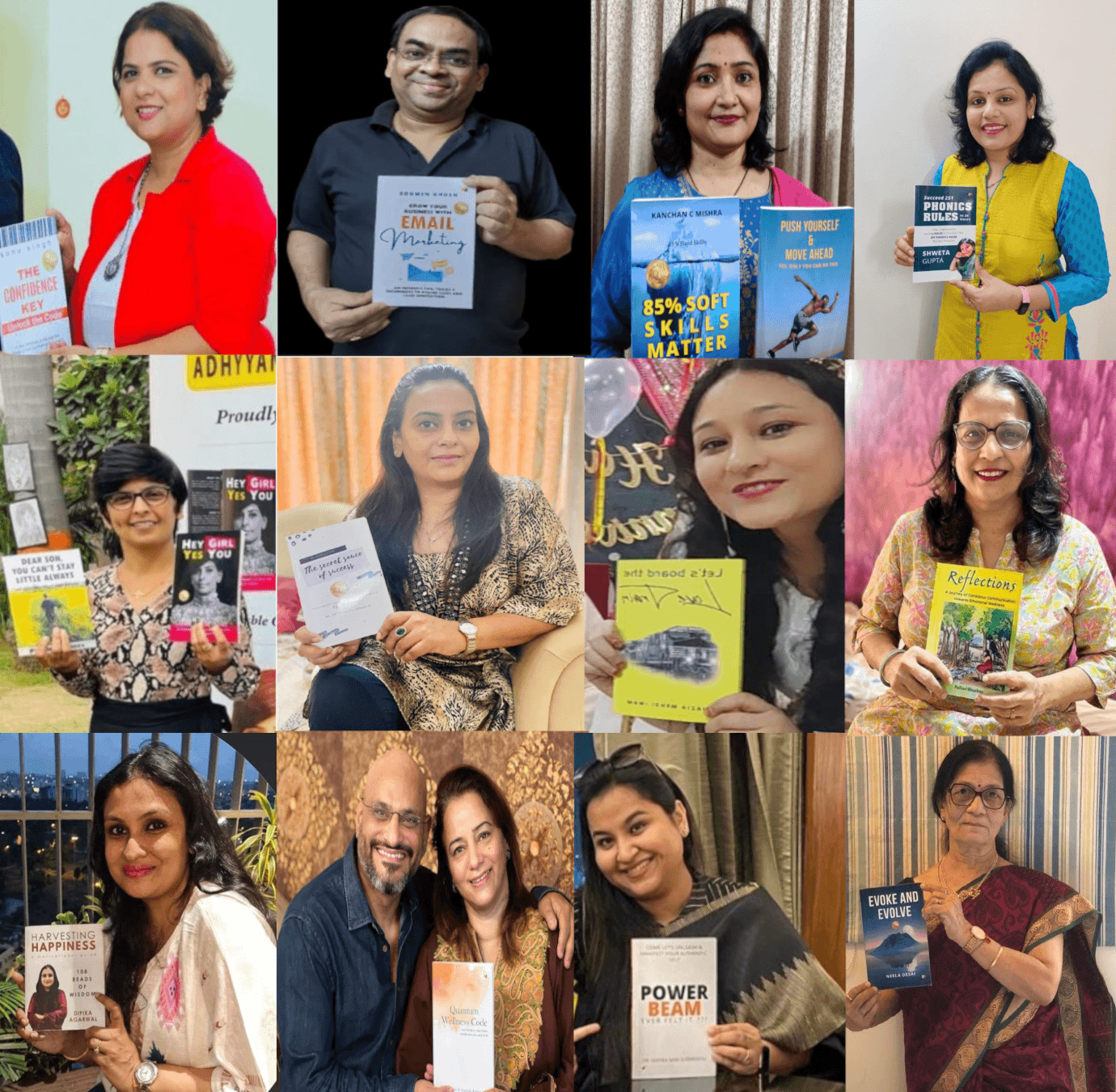
📘 Over 100 more case studies like these...
We Have Been Featured In..
 Unlock all case studies

All Case Studies

Followers
11000+

Followers
8439

Subscribers
11100+

Groups
500+
LAXIMUS BUSINESS VENTURES PRIVATE LIMITED