contact@adhyyanbooks.com | +91-9986728203









All Case Studies

LAXIMUS BUSINESS VENTURES PRIVATE LIMITED
How Gajanan Wrote 64 Books While Pursuing a Full-Time Job

Dr. Gajanan Shirke
NON-FICTION
GENRE
196
NO. OF PAGES
Paperback
BINDING
Introduction
Dr. Gajanan Shirke's journey from hospitality professional to prolific author exemplifies how passion and discipline can transform side interests into extraordinary achievements. Before his writing career took flight, Gajanan spent two decades immersed in the demanding hospitality industry, managing luxury hotels across three countries and overseeing operations for properties with 200+ staff members. These experiences not only honed his leadership abilities but also provided a rich tapestry of human interactions that would later inform his writing.
Gajanan's path to authorship wasn't planned from the beginning. As a food safety specialist with a PhD in Hospitality Management, he initially sought resources to train his staff on proper handling procedures. "I was shocked to discover that comprehensive materials on food adulteration designed for hospitality professionals simply didn't exist," he recalls. "The available texts were either too academic or too simplistic."
This gap became the catalyst for his first book, "Food & Beverage Adulteration And Its Implications: Theory & Practice," which took three years to complete while working 60-hour weeks as an operations director. The book's unexpected success—adopted by 17 hospitality management schools as required reading—revealed a hunger for practical, experience-based knowledge in his field.
"Many times, the topics for my books come from my surroundings," Gajanan explains. "For instance, attending my daughter's school event led me to notice how poorly the staff managed logistics for 300 families. Within a week, I had outlined 'Event Management for Educational Institutions,' which became my fifth bestseller."
Born with an analytical mind that naturally categorizes information and identifies patterns, Gajanan discovered that writing wasn't just about sharing knowledge—it was about creating order from chaos and transforming complex concepts into accessible wisdom. His background as the son of a librarian, surrounded by books from childhood, had unknowingly prepared him for this unexpected second career that would eventually span dozens of specialized titles across hospitality, management, and education.
"Many times, the topics for my books come from my surroundings. For instance, attending my daughter's school event led me to an idea for a book. It’s about being observant and seeing where you can add value."

The Beginning of a Journey
Gajanan's authorial path began with a challenge that would have deterred many aspiring writers. His first manuscript, intended to be a comprehensive guide to food adulteration detection, grew to an unwieldy 800+ pages—a document so dense that three publishers rejected it outright without reading beyond the introduction.
First Book Challenges:
➡ The initial draft contained five years of meticulously collected research, including 137 detection techniques for various adulterants, 43 case studies from his professional experience, and comprehensive regulatory frameworks from eight countries. "I couldn't bear to cut anything," Gajanan admits. "Every piece felt essential because I'd seen the consequences of these adulterations firsthand."
➡ The turning point came during a conversation with a mentor who asked, "Who exactly are you writing for? Scientists, regulators, or practitioners?" This question forced Gajanan to make difficult choices about his audience and content focus.
➡ Breaking down the manuscript into manageable sections required creating a detailed classification system. Gajanan spent weekends developing a matrix that evaluated each section based on its practical application, scientific merit, and relevance to his target audience of hospitality professionals.
➡ "The biggest challenge wasn't writing—it was letting go," he reflects. "I had to accept that three specialized books would serve my readers better than one encyclopedic volume no one would finish."
Key Learnings:
Through this arduous three-year process, Gajanan developed principles that would guide his future productivity:
Concise and Impactful Content: The original 800-page manuscript eventually became three focused books of approximately 200 pages each. The first volume sold 3,500 copies in its first year—seven times what the publisher expected for a specialized text. "Readers consistently mentioned they appreciated the book's focused approach and practical examples," he notes.
Breaking Down Complex Topics: Gajanan created a methodology he calls "Specialized Serialization," where larger subjects are divided into standalone volumes that each address specific aspects of a topic. This approach allowed readers to invest in only the segments relevant to their needs while enabling Gajanan to dive deeper into each subject area.
Systematic Organization: Each book now begins as a single-page framework with three layers: key concepts, supporting principles, and practical applications. This structure, which Gajanan sketches by hand before typing a single word, ensures logical flow and eliminates unnecessary content. "This framework has reduced my initial drafting time from months to weeks," he explains.
Refinement through Iteration: Rather than perfect each chapter before moving forward, Gajanan completes rapid first drafts of entire manuscripts, then refines them through multiple revisions. This process, inspired by software development methodologies, allows him to see structural issues that might not be apparent when focusing on individual sections.
This transformative experience with his first publication established the foundation for Gajanan's remarkable efficiency in subsequent works. Within five years of publishing his first book, he had completed fifteen more titles, each more focused and reader-friendly than his initial effort.
"The biggest challenge was understanding the depth of the subject and organizing it in a way that made sense to readers."
The Writing Process
Dr. Shirke's extraordinary output of 64 books while maintaining a demanding career stems from a writing process refined through years of disciplined practice and thoughtful iteration. Far from being a chaotic creative, Gajanan approaches authorship with the same systematic precision he applies to hotel operations management.
Daily Routine:
➡ Gajanan rises at 4:30 AM every day, dedicating the first 90 minutes to writing before his family wakes. "These morning hours provide clarity and focus impossible to find during the busy workday," he explains. This consistent morning ritual accounts for roughly 50% of his total writing output.
➡ He leverages what he calls "margin time"—15-20 minute gaps between meetings or while waiting for appointments—to outline ideas or edit existing sections. A small notebook always in his pocket captures these fragments, which he later incorporates into his manuscripts. "I've written entire chapters in hospital waiting rooms and airport lounges," he notes.
➡ Weekends include a structured three-hour writing block, usually from 6-9 AM on Saturdays and Sundays, which he guards zealously. His family understands this commitment, having seen how this dedication has transformed their lives through his publishing success.
➡ Gajanan tracks his writing progress meticulously, maintaining a spreadsheet that logs daily word counts, time spent writing, and subjective quality assessments. This data-driven approach has helped him identify his optimal writing conditions and peak productivity periods. "The metrics showed me I'm 40% more productive in the morning than evenings, which shaped my routine," he shares.
Topic Selection:
➡ Gajanan maintains what he calls an "Opportunity Register"—a continuously updated document where he records potential book topics based on four criteria: existing knowledge gaps, reader demand, his expertise level, and market potential. This systematic approach has helped him prioritize projects with the highest impact and greatest chance of success.
➡ Each potential topic undergoes a rigorous evaluation process. Gajanan researches existing literature, consults with colleagues, and sometimes surveys his reader base before committing to a new project. "For my book on crisis management in hospitality, I verified the need by surveying 50 hotel managers about their most pressing training needs," he explains.
➡ He intentionally builds expertise clusters—groups of related topics where knowledge from one book accelerates the creation of others. His food safety series began with one title but expanded to seven related books, each leveraging research and frameworks from previous volumes while addressing specialized subtopics.
Developing Ideas:
➡ Gajanan employs a three-phase development process for each book. It begins with a "concept map" linking main ideas, followed by a detailed outline organized by potential chapters, and concludes with a "reader journey" document that articulates the transformation readers should experience through each section.
➡ He tests book concepts through articles and workshops before committing to full manuscripts. His book "Hospitality Leadership in Uncertain Times" began as a series of LinkedIn articles that generated over 100,000 views, confirming market interest before he invested in a complete manuscript.
➡ Each chapter is designed with a consistent internal structure: concept introduction, practical examples from his experience, implementation guidelines, potential challenges, and actionable takeaways. This predictable format has become a signature element that readers appreciate. "My readers know exactly what to expect, which makes the knowledge more accessible," he notes.
"If I skip a day without reading or writing, it feels like something significant is missing from my life. Writing isn't just something I do—it's become core to who I am," Gajanan reflects. This integration of writing into his identity has transformed what could have been an occasional hobby into a prolific second career that produces an average of four books annually.
"Often, I pick a topic because I see a lack of clarity or structured material around it. Writing a book then becomes my way of exploring and providing solutions for it."

Overcoming Hurdles
Navigating the publishing world while maintaining creative integrity and a full-time career presented formidable challenges that required innovative solutions and unwavering determination. Gajanan's approach to these obstacles offers valuable lessons for aspiring authors facing similar hurdles.
Choosing the Right Publisher:
➡ After experiencing frustration with his first publisher—who provided minimal editorial support and limited marketing—Gajanan developed a systematic publisher evaluation framework. This rubric assesses potential publishers across twelve criteria, including editorial support, contract terms, distribution networks, and marketing commitment.
➡ Before signing any contract, Gajanan now conducts detailed interviews with at least three authors from each publisher's roster, focusing on their experiences post-publication. "One phone call with a previous author saved me from a publisher who would have claimed 70% of my electronic rights for life," he reveals. "That thirty-minute conversation potentially saved me thousands in future earnings."
➡ He learned to negotiate specialized clauses in his contracts that protect his unique needs as a working professional who writes. These include accelerated publication timelines, consultation on cover design, and rights reversion if a title goes out of print for more than six months. "Publishers initially resist these terms, but when they see your
conviction and preparation, they often accommodate," he explains.
➡ "When you discuss with a publisher," Gajanan remarked, "you know in the first few meetings whether they understand your vision and respect your work. I once walked away from a larger advance because the editor wanted to simplify content I knew my readers needed."
Traditional Writing Methods:
➡ Rather than relying on emerging technologies, Gajanan employs a modified version of traditional research and writing methods, beginning with comprehensive literature review. For each book, he creates a physical reference library of 10-15 titles that remain on a dedicated shelf throughout the writing process.
➡ His research methodology involves a color-coded system where he maps information gaps across existing literature. Using differently colored Post-it notes to mark unique insights (blue), contradictory information (red), and consensus views (green) across reference materials, he visually identifies areas where his book can add the most value.
➡ He drafts initial chapters longhand before moving to digital formats, finding that this slowed pace leads to more thoughtful composition. "When I write by hand, I achieve approximately 70% final quality in my first draft, compared to only about 40% when typing directly," he notes. This approach reduces extensive rewrites despite seeming less efficient initially.
➡ As he explained, "I don't use tools for precision. For me, precision comes from deep research and understanding the nuances of a subject. Digital tools might check facts, but they can't replicate the insights that come from twenty years of hands-on experience."
Ensuring Originality:
➡ To maintain the distinctiveness of his work in an increasingly crowded market, Gajanan developed a "3-30-300" principle for each book: identifying 3 novel frameworks unique to his approach, illustrating them with 30 case studies from his direct experience, and providing 300 practical application points readers can implement immediately.
➡ He established subject matter expert review panels for each book, consisting of 3-5 professionals who scrutinize his manuscripts for accuracy, relevance, and originality before submission to publishers. This peer review process has prevented potential errors and strengthened his reputation for reliability.
➡ After discovering that sections of his fourth book had been plagiarized by another author, Gajanan implemented quarterly digital content scans to protect his intellectual property. These checks have identified seven instances of unauthorized use, all of which were successfully addressed through publisher interventions.
➡ "Originality doesn't come from tools; it comes from your unique perspective and lived experience," he emphasized. "My books on crisis management in hospitality contained insights from actually managing hotels during terrorist incidents in Mumbai—experiences no amount of research could replicate."
Gajanan's methodical approach to these challenges transformed potential obstacles into strategic advantages. By developing systems to address each hurdle, he created a sustainable author career alongside his professional responsibilities, proving that limitations often inspire innovation when approached with determination and creativity.
"I don’t use tools for precision. For me, precision comes from deep research and understanding the nuances of a subject."


Impact of Writing
Dr. Shirke's prolific authorship has yielded transformative effects that extend far beyond the impressive number of titles in his bibliography. His work has created a virtuous cycle of professional advancement, personal growth, and industry influence that continues to expand with each publication.
Professional Growth:
➡ Gajanan's reputation as an author dramatically accelerated his career trajectory. Within three years of publishing his first book, he received eleven speaking invitations at international hospitality conferences, establishing him as a thought leader in his field. These appearances led to consulting opportunities with luxury hotel chains seeking to implement his food safety protocols.
➡ His books opened doors that credentials alone could not. "My fourth book on hospitality leadership caught the attention of a luxury hotel group's board member during a flight," Gajanan recalls. "That chance encounter led to my appointment as director of operations for their flagship property—a position that would have typically required an additional decade of ladder-climbing."
➡ The publishing track record provided Gajanan with undeniable market differentiation during job interviews. When competing for his current executive role against candidates with similar experience, the hiring committee specifically cited his authorship as evidence of "exceptional industry commitment and specialized knowledge depth."
➡ His writings have facilitated global professional connections that would have been otherwise unattainable. "I've been approached for projects across five continents because of my books," he shared. "From developing food safety protocols for a hotel chain in Southeast Asia to consulting on hospitality education in South America, my books have become bridges to opportunities I couldn't have imagined."
Personal Enrichment:
➡ The research required for his books has forced Gajanan to continuously expand his knowledge base. Each new title demands approximately 120 hours of focused study, keeping him at the cutting edge of industry developments. "Writing requires a deeper understanding than merely practicing," he notes. "You can't teach what you don't thoroughly comprehend."
➡ The discipline of authorship has honed his communication skills, which transferred to enhanced effectiveness in his executive role. Board presentations, staff training, and client interactions all benefited from his improved ability to distill complex concepts into accessible language—a skill developed through writing for diverse audiences.
➡ Writing has provided intellectual fulfillment that complements his operational role. "Hotel management involves constant problem-solving under pressure," Gajanan explains. "Writing offers a different kind of challenge—the luxury of deep thought and careful analysis that balances the reactive nature of my day job."
➡ Perhaps most significantly, authorship has created a legacy that extends beyond his corporate achievements. "Operations improvements might benefit one company for a few years," he reflects, "but my books on sustainable hospitality practices are influencing how the next generation of hoteliers approach environmental challenges across the industry."
➡ "Writing is not just about sharing knowledge," he explained, "it's also about learning from the process. Every book teaches me something new about myself and the world. My understanding of crisis management was theoretical until I researched actual cases for my book—that research prepared me to lead my team effectively during COVID-19 shutdowns."
Through his dual career as executive and author, Gajanan has created a self-reinforcing cycle where professional experience enriches his writing, while his writing simultaneously enhances his professional capabilities and opportunities. This synergy demonstrates how thoughtfully integrated passion projects can multiply impact rather than simply divide attention.
"I’ve been approached for projects across the globe because of my books, It’s a validation of the effort and the reach writing can achieve."
Advice for Aspiring Authors
Drawing from his journey of writing 64 books while maintaining executive responsibilities, Gajanan offers pragmatic guidance for professionals considering authorship alongside their careers:
Understand Your Audience:
➡ "Writing is not just putting words on paper," Gajanan emphasizes. "It's about knowing who you're writing for and what problems your work can solve for them." He recommends creating detailed reader personas before beginning each project, including their educational background, professional challenges, and specific knowledge needs.
➡ For his hospitality leadership series, Gajanan interviewed 25 potential readers about their daily challenges before outlining a single chapter. This research revealed that mid-level managers struggled most with cross-departmental communication—a finding that became central to the book's structure and recommendations.
➡ He suggests testing content through shorter formats before committing to full manuscripts. "Articles, blog posts, and professional presentations let you gauge interest and refine ideas based on immediate feedback," he advises. His most successful book began as a three-part LinkedIn series that generated unprecedented engagement, confirming market interest.
➡ "Understand not just what your readers want to know, but how they prefer to consume information," he adds. After discovering many hospitality professionals listened to audio content during commutes, Gajanan ensured his later books were structured to work well in audio format, with memorable acronyms and clear section transitions.
Consistency Matters:
➡ Gajanan attributes his prolific output not to exceptional talent but to unwavering routine. "Most aspiring authors overestimate what they can write in a day and underestimate what consistent small efforts can produce in a year," he explains. His first manuscript took three years of weekend work, but his most recent book required just four months of disciplined daily writing.
➡ He advocates for what he calls "non-negotiable minimums"—small but mandatory daily writing commitments that maintain momentum. "Even 200 words daily—less than one page—produces a complete first draft in six months," he notes. "Consistency builds momentum and keeps the mental framework of your book active in your subconscious."
➡ To maintain this consistency alongside professional demands, Gajanan recommends "context preservation techniques"—methods to quickly reenter the writing mindset after interruptions. His approach includes leaving deliberate incomplete sentences at the end of each writing session, creating a natural entry point for the next session, and maintaining a running document of plot points and ideas.
➡ "The myth of requiring large blocks of uninterrupted time keeps many busy professionals from writing," he observes. "I wrote my second book entirely in 30-minute sessions before breakfast. The key isn't finding time—it's creating a system that makes small time blocks productive."
Stand Out:
➡ In specialized non-fiction, Gajanan believes differentiation comes from the unique intersection of knowledge, experience, and perspective. "Identify what I call your 'expertise fingerprint'—the combination of skills, experiences, and insights that only you possess," he advises. For him, this meant leveraging both his scientific background and practical management experience when writing about food safety.
➡ He recommends that authors develop proprietary frameworks that readers can apply. His "7-R Risk Response System" for hospitality emergencies has been adopted by hotel chains worldwide and has become a signature element readers specifically seek in his crisis management publications.
➡ "The more authentic your content, the stronger the connection with your audience," he emphasizes. Gajanan includes detailed case studies from his own career, complete with honest assessments of mistakes and lessons learned. This vulnerability has dramatically increased reader trust compared to more theoretical approaches.
➡ To truly stand out, he suggests focusing on underserved segments within broader topics. "Rather than writing generally about hotel management, my book specifically addressing boutique hotel challenges in emerging markets found an audience desperate for tailored guidance," he explains.
These principles reflect Gajanan's pragmatic approach to authorship—viewing books not as artistic expressions but as valuable solutions to reader problems. By focusing on audience needs, maintaining consistent production, and leveraging unique expertise, he transformed writing from a creative outlet into a systematic second career that complements his professional path.
"The more authentic your content, the stronger the connection with your audience."
Learning for Aspiring Authors: Writing Multiple Books
For professionals aspiring to prolific authorship alongside their careers, Gajanan offers specific strategies that enabled his remarkable output of 64 books:
Plan and Prioritize:
➡ Gajanan employs what he calls "horizon planning"—maintaining three distinct pipelines of book projects at different stages of development. At any given time, he has one active manuscript in progress, three topics in detailed outline phase, and five concepts under evaluation. This staggered approach ensures he never loses momentum between projects.
➡ He prioritizes his writing projects using a weighted scoring system that evaluates each potential book across four dimensions: market need (40%), his expertise level (30%), production time required (20%), and potential impact (10%). This objective approach prevents him from pursuing personally interesting but commercially unviable topics.
➡ Creating intentional connections between books accelerates production. His hospitality management series began with core principles, then expanded into specialized applications that leveraged the original research. "Each book should either build on previous work or open doors to future projects," he advises.
➡ "Before writing page one of any book, I complete a detailed 'scope document' defining exactly what the book will and won't cover," he explains. "This prevents the common mid-project expansion that derails completion timelines." For his food safety inspection guidelines, this meant explicitly excluding chemical testing procedures that would have doubled the book's length.
Leverage Research and Observation:
➡ Gajanan maintains a disciplined "capture system" for potential material. Beyond standard note-taking, he records voice memos when observing relevant situations and photographs interesting operational systems he encounters during site visits, tagging everything in a searchable digital database organized by potential book topics.
➡ Professional reading becomes more efficient through what he calls "purposeful extraction"—reading specifically to gather material for planned books rather than general knowledge acquisition. "When reviewing industry publications, I'm simultaneously collecting examples for three or four different book projects," he notes.
➡ He cultivates relationships with subject matter experts who serve as resources across multiple projects. His network includes 30+ specialists he can consult for technical verification. "Having a food chemist review a single chapter saves days of research and prevents potential errors," he explains.
➡ Systematic interviews with practitioners provide both content and eventual promotion opportunities. For each book, Gajanan conducts 5-10 structured interviews with industry professionals, incorporating their insights and experiences. These contributors often become advocates when the book launches.
Establish a Routine:
➡ Gajanan's writing schedule integrates with his professional calendar through what he calls "transition writing"—30-minute sessions scheduled immediately before or after major work meetings. "This boundary time is often wasted in preparation or decompression anyway," he notes. "Converting it to writing time yields 3-4 additional hours weekly."
➡ He maintains separate writing environments for different project phases. Research and outlining occur in his home office, drafting in a local coffee shop, and editing in a library. "Each location triggers a specific mental state and working mode," he explains. "My productivity increased 30% after implementing this context-specific approach."
➡ To prevent burnout, Gajanan alternates between technical and narrative projects. After completing a data-heavy food safety protocol manual, he might shift to a more story-driven leadership book. This rotation utilizes different cognitive skills and maintains fresh engagement across multiple projects.
➡ He sets production targets based on manuscript sections rather than word counts or time spent. "Committing to complete one book chapter weekly, regardless of length, provides clearer milestones than arbitrary word count goals," he advises. This approach has proven more sustainable alongside full-time work.
Embrace Collaboration and Feedback:
➡ To accelerate production while maintaining quality, Gajanan employs targeted collaboration. For technical books, he sometimes partners with subject matter experts who contribute specialized chapters under his editorial direction. This approach produced his 500-page comprehensive reference on food safety regulations across Asia in just five months.
➡ He has established a three-tiered review system for manuscripts: technical reviewers verify factual accuracy, peer reviewers assess practical relevance, and target readers evaluate clarity and usability. This structured feedback process has cut revision cycles in half compared to traditional editing approaches.
➡ "Creating feedback loops that match your book's development stages is crucial," he explains. "I share outlines with industry experts, first drafts with colleagues, and near-final manuscripts with potential readers—each group provides different and essential perspectives."
Focus on Quality Over Quantity:
➡ Despite his impressive output, Gajanan maintains rigorous quality standards through systematic self-assessment. Before submission, every manuscript undergoes his "Four C's" evaluation: Clarity (readability), Completeness (comprehensive coverage), Coherence (logical flow), and Contribution (unique value). Any section scoring below 8/10 on these criteria undergoes revision.
➡ He tracks reader feedback meticulously, using recurring comments to improve future projects. When three reviewers noted excessive technical terminology in an early book, he developed a "general reader test" requiring all subsequent manuscripts to be comprehensible to non-specialists.
➡ "My goal isn't to write many books—it's to solve many problems," he emphasizes. "Sometimes that means abandoning a manuscript 70% complete because it's not delivering sufficient value." He has shelved seven nearly-completed projects that didn't meet his impact standards.
By implementing these systematic approaches, Gajanan transformed authorship from an occasional creative pursuit into a sustainable parallel career. His methodology demonstrates that prolific writing alongside professional responsibilities isn't about finding more time, but rather developing systems that maximize effectiveness within existing constraints.
The Road Ahead
Despite having published 64 books, Dr. Shirke approaches his future with the strategic vision of someone just beginning an important journey. His detailed plans reflect both ambition and methodical preparation:
Exploring New Genres:
➡ Gajanan has mapped out a deliberate expansion into adjacent knowledge areas where his expertise can add unique value. Having established his authority in operational aspects of hospitality management, he's now developing a six-book series addressing the intersection of technology and guest experience—a critical frontier as the industry embraces digital transformation.
➡ His next major project marks a significant departure from his technical focus. Titled "The Human Element in Hospitality," this narrative-driven book will blend research with stories from remarkable service providers he's encountered worldwide. "After twenty years of writing about systems and procedures, I'm ready to explore the emotional intelligence that truly differentiates exceptional hospitality," he explains.
➡ Beyond traditional books, Gajanan is creating modular educational content that can be customized for specific institutional needs. His "Hospitality Management Essentials" program comprises 24 modules that can function independently or as comprehensive curriculum for hospitality schools, with embedded assessment tools and instructor resources.
➡ He's also piloting interactive digital formats that blend text with simulation experiences. His prototype "Virtual Crisis Manager" combines case studies with decision-point scenarios, allowing readers to apply principles in simulated emergencies and receive feedback on their choices. "The future of professional education lies in application-based learning, not just knowledge transfer," he observes.
Continuous Learning:
➡ At 51, Gajanan recently enrolled in a specialized digital publishing certificate program to better understand emerging formats and distribution models. "The industry is transforming rapidly," he notes. "Authors who don't evolve their delivery methods will find diminishing audiences regardless of content quality."
➡ He has established an informal apprenticeship system, mentoring five emerging authors from diverse backgrounds within the hospitality industry. This teaching role forces continual refinement of his own processes. "Explaining my methodology to others has revealed assumptions and inefficiencies I hadn't recognized," he acknowledges.
➡ To ensure his work remains relevant, Gajanan has implemented quarterly trend review sessions with a curated advisory panel of industry innovators across three continents. These structured discussions inform his content development roadmap and have already identified three emerging topics for future books.
➡ His reading regimen has expanded to include fields adjacent to his specialization. "Cross-disciplinary insights often solve stubborn industry problems," he explains. His recent study of behavioral economics has influenced his approach to writing about guest satisfaction and employee motivation.
Looking ahead, Gajanan sees his growing body of work not as a collection of independent titles but as an integrated knowledge ecosystem addressing the multifaceted challenges of modern hospitality management. "The greatest impact comes not from individual books but from creating a coherent framework that helps practitioners navigate complexity," he reflects. "That's the legacy I'm building book by book."
Conclusion
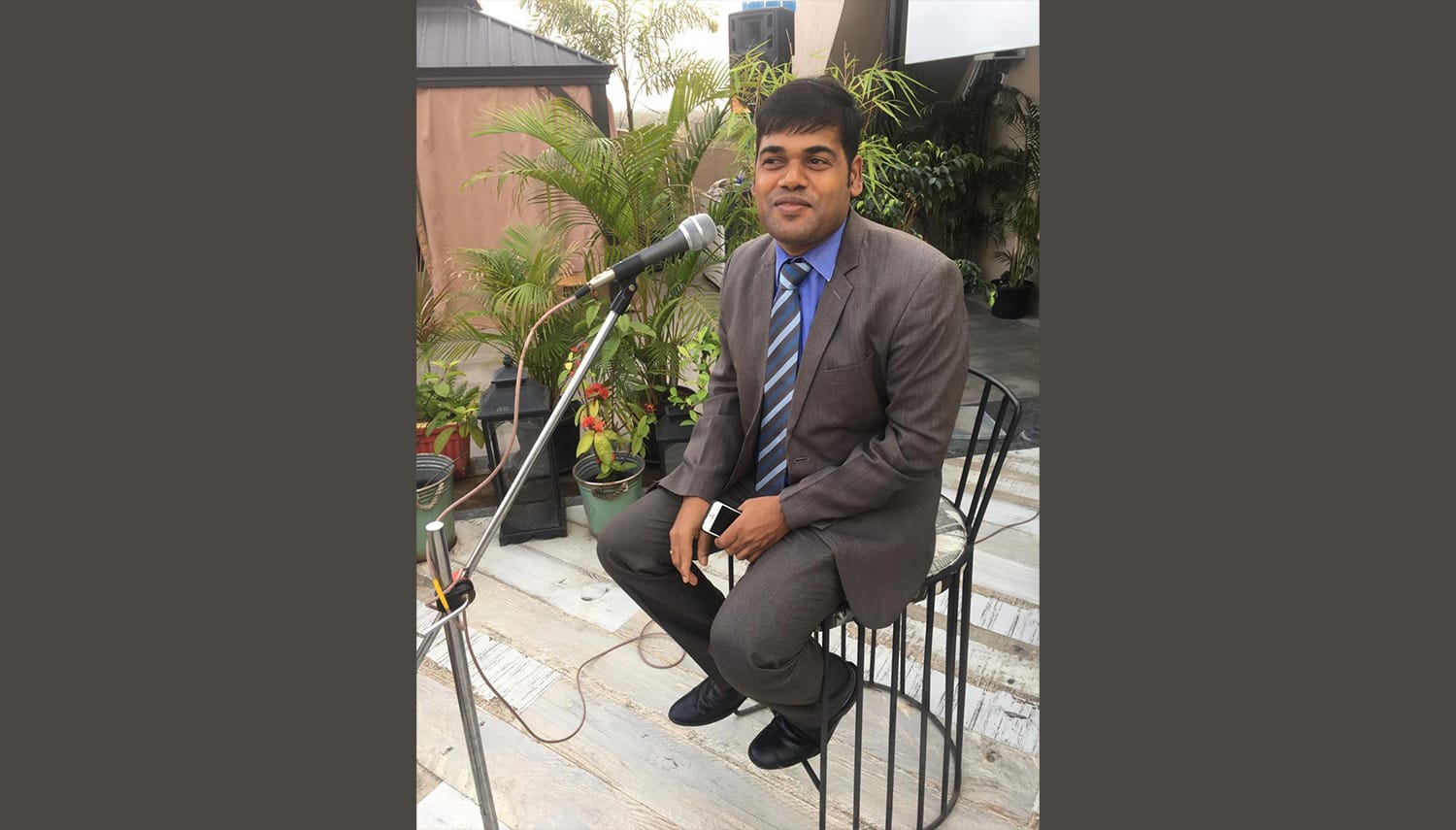
Dr. Gajanan Shirke's remarkable journey from hospitality professional to author of 64 books illuminates how systematic approaches can transform seemingly impossible aspirations into achievable realities. His story transcends the specific context of publishing to offer universal lessons about sustained achievement alongside professional responsibilities.
The foundation of Gajanan's success lies not in extraordinary talent or circumstances, but in his development of integrated systems that maximize limited resources. By treating writing as a professional practice rather than an artistic indulgence, he created predictable processes that consistently produced results despite the constraints of a demanding career. His method of breaking ambitious goals into structured, manageable components offers a blueprint applicable across diverse fields and objectives.
Perhaps most significantly, Gajanan's experience demonstrates how parallel pursuits can become mutually reinforcing rather than competing priorities. His writing enhanced his professional expertise and acceleration, while his career continuously provided material and insights for his books. This virtuous cycle created value transcending what either path alone could have produced.
For professionals considering ambitious side projects or creative pursuits, Gajanan's journey provides a powerful reminder that extraordinary achievement often stems from ordinary consistency applied over time. His output wasn't the result of writing marathons or superhuman productivity, but rather of unwavering commitment to small daily actions guided by clear systems and purposes.
"Success in writing, as in any endeavor, comes down to three fundamentals," Gajanan reflects. "Define what value you uniquely can create, develop systems that make progress inevitable rather than optional, and maintain unshakable belief in the worth of your contribution." With these principles guiding his continued work, Dr. Shirke's influence on his field seems likely to grow even as his example inspires others to pursue their own seemingly impossible ambitions.

Annual Membership Regular
Price Rs. 9980/-
(One-Time-Offer Only ₹499/-)
Unlock the secrets of Bestselling Authors
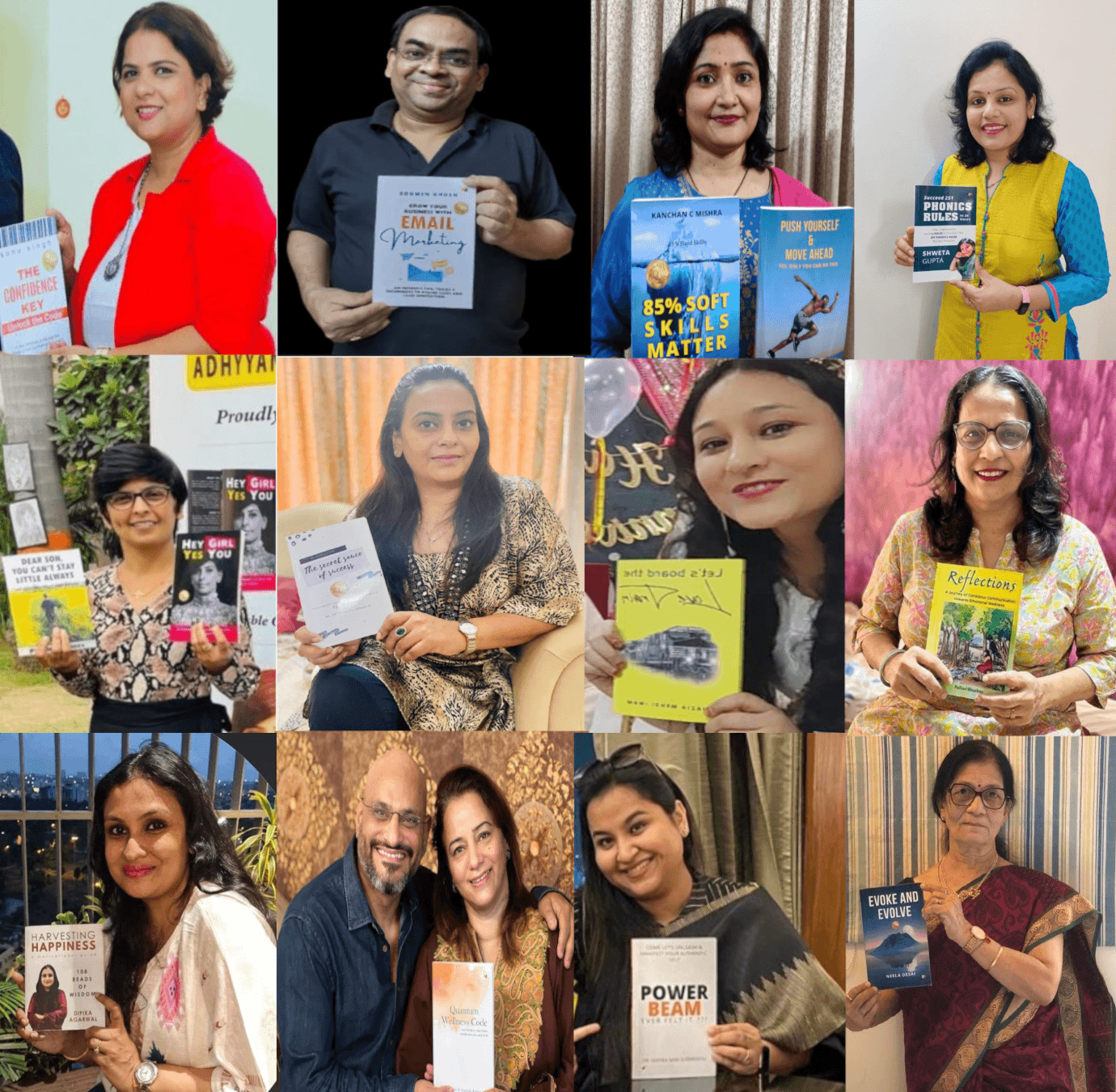
📘 Over 100 more case studies like these...
We Have Been Featured In..
 Unlock all case studies

All Case Studies

Followers
11000+

Followers
8439

Subscribers
11100+

Groups
500+
LAXIMUS BUSINESS VENTURES PRIVATE LIMITED