contact@adhyyanbooks.com | +91-9986728203









All Case Studies

LAXIMUS BUSINESS VENTURES PRIVATE LIMITED
From Finance Expert to Author: Creating a Comprehensive Guide to Financial Modeling and Valuation
By Dr. Bimal Ramani

Dr. Bimal Ramani
NON-FICTION
GENRE
231
NO. OF PAGES
Paperback
BINDING
Introduction
In the labyrinthine world of financial modeling and valuation, where numbers often eclipse narratives, Dr. Bimal Ramani discovered a transformative truth: genuine expertise lies not in accumulating knowledge but in illuminating it for others. His metamorphosis from finance practitioner to acclaimed author represents more than a career pivot—it embodies a visionary response to a critical educational void.
With over two decades of immersion in financial markets, Dr. Ramani identified a fundamental disconnect that was hindering professional development across the industry. Traditional educational resources, despite their comprehensive coverage, frequently failed at their most essential purpose: connecting theoretical constructs with real-world applications. This left countless students and professionals stranded in the chasm between understanding concepts and implementing them effectively.
"Every financial concept has a real-world application," Dr. Ramani emphasizes with the clarity that comes from years of observation. "The challenge isn't in understanding the theory—it's in witnessing how that theory manifests in actual market dynamics." This profound insight didn't merely inform his teaching philosophy—it catalyzed his authorship journey and shaped the revolutionary approach that would distinguish his work.
The educational gap he identified was multidimensional and deeply entrenched. Existing financial literature typically presented concepts in isolation, like islands of knowledge without bridges between them, leaving learners to navigate the connections independently.
Furthermore, these resources often relied on antiquated examples that failed to resonate with contemporary financial landscapes, creating a disconnect that undermined learning effectiveness. Perhaps most critically, the highly technical presentation of financial concepts frequently overshadowed their practical utility, turning potentially transformative knowledge into seemingly abstract theory.
Dr. Ramani envisioned not just another addition to financial literature but a paradigm shift in how financial concepts are communicated. His vision encompassed a comprehensive guide that would simultaneously serve diverse audiences—from certification aspirants to market enthusiasts to seasoned professionals seeking to deepen their practical knowledge. This multi-dimensional approach would transcend the limitations of conventional financial education.
"You have to merge theory with practice," he explains with conviction. "Otherwise, you're simply offering information without implementation—knowledge without application." This philosophy would become the cornerstone of an educational resource designed not just to inform but to transform.
ACTIONABLE INSIGHT:
📌 Knowledge Integration Framework
Create a personal "Theory-Practice Bridge" document for any complex subject you're learning. For each new concept, immediately document: (1) the theoretical principle, (2) at least one real-world application, and (3) a specific scenario where you could apply this knowledge. Review this document weekly, adding new connections as your understanding evolves. This transforms passive learning into actionable expertise and helps identify knowledge gaps requiring further study.
The Pre-Author Life
Dr. Ramani's path to authorship was paved with a mosaic of experiences that transcended conventional boundaries between corporate finance and education. His professional genesis in the financial sector evolved through decades of cultivating expertise in financial modeling, valuation methodologies, and strategic corporate decision-making. Yet it was his concurrent journey as an educator that would ultimately crystallize his unique approach to financial communication.
During his corporate tenure, he navigated through diverse roles that offered rare vantage points into the practical application of financial theories. His responsibilities encompassed sophisticated financial modeling, intricate corporate valuations, and high-stakes strategic planning—experiences that would later serve as the authentic foundation for content that bridged theory and implementation.
"I have been immersed in the corporate ecosystem for many years," he reflects thoughtfully. "Being an integral part of organizational learning environments, I've developed deep insights into knowledge acquisition patterns, skill development processes, and—most critically—how individuals translate theoretical understanding into practical implementation." This meta-awareness of the learning journey would prove invaluable in crafting educational content that anticipated and addressed common obstacles.
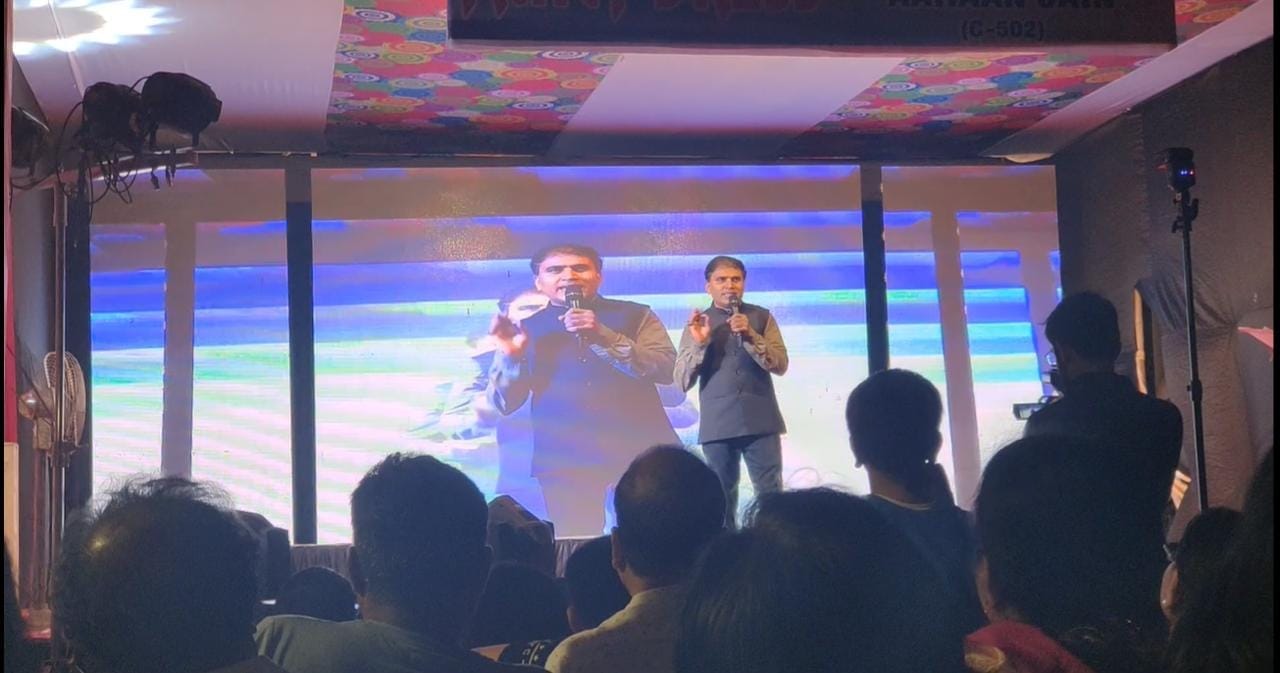
His educational vocation began organically with weekend workshops and guest lectures, gradually expanding into comprehensive training programs as his distinctive approach gained recognition. Working with remarkably diverse audiences—from undergraduate students to C-suite executives—provided him with unparalleled insights into the varying challenges faced by learners across the knowledge spectrum when engaging with complex financial concepts.
As his reputation for clarity and practical relevance flourished, Dr. Ramani refined a distinctive teaching methodology that seamlessly integrated theoretical foundations with practical applications. This approach didn't merely explain financial concepts—it illuminated their relevance, demonstrated their implementation, and empowered learners to apply them confidently in real-world scenarios.
His pre-author life wasn't merely preparation for writing—it was the crucible in which his unique perspective was formed, tested, and validated. The countless hours spent translating complex concepts for diverse audiences cultivated the rare ability to make the seemingly inaccessible not just understandable but actionable.
ACTIONABLE INSIGHT:
📌 Expertise Inventory System
Create a comprehensive "Knowledge Asset Inventory" by documenting your professional experiences in three categories: (1) Technical Knowledge—specific skills and information you've mastered, (2) Application Experiences—situations where you've implemented this knowledge successfully, and (3) Teaching Moments—instances where you've explained concepts to others. Update this inventory quarterly, noting patterns that reveal your unique expertise perspective. This system helps identify your distinctive value proposition and reveals potential content areas where your perspective could significantly contribute to your field.


The Trigger Point
The crystallization of Dr. Ramani's decision to write emerged not as a sudden epiphany but as the inevitable conclusion to years of observing a persistent educational deficit. Despite the proliferation of resources claiming to demystify financial concepts, the same fundamental struggles continued to manifest in classrooms and boardrooms alike—a clear indicator that existing approaches were falling short of their essential purpose.
"Today people are so intently focused on individual numbers that they consistently miss the holistic narrative," Dr. Ramani observes with the insight of someone who has witnessed this pattern countless times. "I felt compelled to create a resource that would enable practitioners to simultaneously perceive both granular details and their broader contextual significance." This recognition of a fundamental perceptual gap became the catalyst that transformed latent potential into decisive action.
His approach to addressing this gap began with methodical analysis rather than immediate creation. He invested months in systematically dissecting popular financial textbooks, identifying not just their obvious shortcomings but the subtle ways in which they failed to serve their readers. This rigorous assessment revealed critical deficiencies that would inform his own approach:
Contemporary relevance was consistently sacrificed to theoretical purity, with examples and case studies lagging years behind current market realities.
Practical application frameworks were frequently omitted in favor of conceptual explanations, leaving readers unable to bridge knowledge and implementation.
Current market dynamics were often oversimplified or ignored entirely, creating an artificial learning environment disconnected from the complexity of actual financial ecosystems.
Theoretical foundations dominated at the expense of practical methodologies, creating knowledge without actionable frameworks.
Implementation guidance was typically superficial, failing to address the nuanced challenges practitioners encounter when applying concepts in variable contexts.
The decisive moment occurred during what began as a routine teaching session—one of countless classes he had conducted over the years. "When I witnessed my students struggling with concepts that should have been intuitively graspable, I realized we needed a fundamentally different pedagogical approach," he recalls with clarity. "The challenge wasn't their intellectual capacity—it was the disconnect between how these concepts were traditionally presented and how professionals actually need to apply them."
This moment of professional clarity catalyzed a systematic process of documenting his distinctive teaching methodologies and developing a more structured framework for explaining financial concepts. What originated as enhanced teaching notes gradually evolved into the architectural blueprint for a comprehensive resource designed to transform how financial concepts are both understood and applied.
ACTIONABLE INSIGHT:
📌 Gap Analysis Framework
Conduct a structured "Educational Gap Analysis" in your field of expertise. First, collect 5-10 resources commonly used for learning in your domain. For each resource, create a detailed assessment covering: (1) Currency—how updated is the content?, (2) Application Guidance—how well does it bridge theory and practice?, (3) Context Relevance—how well does it connect to current professional environments?, and (4) Implementation Support—what frameworks does it provide for applying knowledge? This analysis will reveal specific unaddressed needs that could form the foundation for your own content creation, whether through articles, courses, or books.
Choosing the Topic
Dr. Ramani's approach to topic selection exemplified strategic precision rather than mere personal preference. Having meticulously identified the educational gaps plaguing financial training, he deliberately focused on domains where his distinctive expertise could catalyze maximum transformation.
"Financial modeling and valuation principles represent the fundamental architecture of financial analysis," he explains with the clarity of someone who has witnessed their centrality across countless scenarios. "Yet these essential concepts are frequently perceived as intimidatingly complex, creating unnecessary barriers to mastery. I was determined to dismantle those perceptions." His ambitious vision encompassed unifying these two interconnected domains into a coherent framework accessible to diverse learners—from novices seeking foundational understanding to veterans requiring advanced application techniques.
The content architecture emerged not from arbitrary preference but from meticulous market analysis and pedagogical strategy:
Foundational Framework: A carefully structured introduction to financial modeling methodologies designed to build confidence through progressive complexity
Contextual Applications: Strategically selected real-world scenarios demonstrating how theoretical constructs manifest in diverse market conditions
Evaluation Ecosystem: Comprehensive coverage of valuation methodologies presented as interconnected approaches rather than isolated techniques
Contemporary Case Studies: Analysis frameworks applied to current market entities using recent data, creating immediate relevance
Risk Integration Systems: Sophisticated approaches to sensitivity testing and risk analysis that transform theoretical models into decision-making tools
"We can utilize Meta platforms—the parent company of Facebook, Instagram, and WhatsApp—as our analytical canvas because I've compiled extensive data on their operations," he explains, demonstrating his commitment to examples that resonate with contemporary market realities. This deliberate selection of familiar, current entities transforms abstract concepts into relatable applications.
The scope methodically expanded beyond introductory concepts to create a comprehensive resource addressing:
Comparative Analysis Frameworks: Sophisticated approaches to comparable companies analysis that reveal patterns and anomalies across market sectors
Historical Transaction Methodology: Precedent transaction analysis techniques that extract actionable insights from completed market activities
Valuation Integration Systems: Discounted cash flow models that synthesize quantitative projections with qualitative market factors
Financial Narrative Interpretation: Advanced approaches to financial statement analysis that reveal the stories behind the numbers
Strategic Transaction Engineering: Methodologies for analyzing and structuring corporate transactions to optimize outcomes
Acquisition Architecture: Comprehensive frameworks for evaluating and structuring leveraged buyouts
This meticulous topic selection reflected Dr. Ramani's deep understanding that effective educational resources must address not just what practitioners need to know today, but what they will need to implement tomorrow.
ACTIONABLE INSIGHT:
📌 Topic Selection Matrix
Create a "Content Value Maximization" matrix to identify your optimal topic focus. On a spreadsheet, list potential topics in rows. Create columns for: (1) Your Expertise Level (1-10), (2) Market Need (1-10), (3) Current Resource Quality (1-10, with lower scores indicating poor existing resources), (4) Implementation Complexity for learners (1-10), and (5) Your Unique Perspective (1-10). For each topic, calculate a "Potential Impact Score" using the formula: (Expertise × Market Need × Unique Perspective) ÷ (Current Resource Quality × Implementation Complexity). Focus your content creation efforts on the topics with the highest Potential Impact Scores, as these represent areas where your contribution can be most valuable.
Publishing Journey
Dr. Ramani's path to publication exemplified strategic determination rather than naive optimism. "Creating something substantively different from existing resources presents formidable challenges," he acknowledges with characteristic candor. "The essential educational value—the transformative core of what we're attempting to communicate—must remain inviolate throughout the production process. This non-negotiable commitment to educational integrity shapes every decision."
His methodical approach encompassed multidimensional considerations:
1. Content Architecture
Structural Coherence: Deliberately engineered chapter progression that builds conceptual understanding through strategic sequencing
Cognitive Mapping: Explicitly articulated learning objectives that orient readers and establish clear expectations
Application Integration: Carefully calibrated examples and exercises that transform theoretical understanding into practical capability
Contemporary Relevance: Systematic integration of current market data to demonstrate immediate applicability
Quality Assurance Protocols: Rigorous review mechanisms ensuring both technical accuracy and pedagogical effectiveness
2. Technical Precision
Temporal Currency: Established systems for regular data refreshment to maintain contemporary relevance
Computational Verification: Meticulous validation of all formulas and calculation methodologies
Case Confirmation: Comprehensive verification of examples against actual market conditions and outcomes
Presentational Consistency: Standardized formatting conventions that enhance comprehension and reference efficiency
Intellectual Property Compliance: Scrupulous attention to copyright considerations and appropriate attribution
"If you aspire to generate sustainable value, you must first invest strategically," he observes with the wisdom of experience. "But investment transcends mere financial allocation—it encompasses time commitment, effort expenditure, and relationship cultivation across the publishing ecosystem." This holistic perspective on resource allocation guided his navigation through the complex publishing landscape.
His journey revealed that publishing success depends not merely on content creation but on building a multidimensional support structure that encompasses editorial relationships, production partnerships, and distribution channels. By approaching each element with the same analytical rigor he applied to financial models, Dr. Ramani transformed potential obstacles into strategic advantages.
The publishing process became not simply a means to an end but an extension of his educational mission—each decision reflecting his commitment to creating a resource that would transcend conventional limitations and establish new standards for financial education.
ACTIONABLE INSIGHT:
📌 Publishing Quality Assurance System
Develop a comprehensive "Publication Excellence Checklist" with five key components: (1) Content Validation—peer review by at least three domain experts focusing on accuracy and currency, (2) Pedagogy Assessment—evaluation by education specialists focusing on learning effectiveness, (3) User Testing—early draft review by 5-7 individuals from your target audience with structured feedback forms, (4) Technical Verification—systematic checking of all formulas, data, and calculations by qualified reviewers, and (5) Production Standards—detailed specifications for formatting, layout, and visual presentation. Create specific criteria under each component and use this system to methodically evaluate your manuscript before submission. This structured approach significantly elevates your work's quality, credibility, and impact potential.
Marketing and Branding
Dr. Ramani approached the marketing of his technical financial resource with the same strategic sophistication that characterized his content development. Recognizing that conventional book promotion strategies often fail with specialized technical works, he crafted a multidimensional approach that leveraged his professional ecosystem and educational reputation.
"Resource allocation is fundamental to value creation," he explains with characteristic precision. "But investment extends far beyond monetary expenditure—it encompasses time dedication, sustained effort, and the deliberate cultivation of professional relationships." His marketing philosophy centered on building authoritative credibility through practical demonstrations of expertise rather than promotional assertions.
His strategic marketing architecture encompassed multiple synergistic channels:
1. Educational Ecosystem Integration
Curriculum Incorporation: Methodical integration into formal training methodologies and instructional frameworks
Academic Adoption Strategies: Structured approaches for positioning the resource within formal educational environments
Workshop Reinforcement: Deliberate alignment between live instructional experiences and text resources
Student Resource Positioning: Strategic recommendation patterns within student learning ecosystems
Certification Alignment: Careful positioning as a preparation resource for professional credentials and certifications
2. Professional Network Activation
Industry Thought Leadership: Strategic participation in conferences and seminars that establish domain authority
Corporate Training Integration: Positioning within professional development programs in corporate environments
Academic Institution Partnerships: Collaborative relationships with educational institutions that enhance credibility
Professional Association Engagement: Strategic involvement with industry organizations that influence practice standards
Digital Presence Engineering: Carefully constructed LinkedIn content strategy and online professional positioning
Knowledge Sharing Platforms: Deliberate participation in speaking engagements that demonstrate expertise in action
"My instructional methodology is embodied in comprehensive slide decks that I utilize in teaching contexts," he reveals. "The book functions as a natural extension of this educational approach." This seamless integration between instructional content and book material created organic demand through an ecosystem of professional recommendation and demonstrated utility.
Rather than viewing marketing as a separate activity performed after publication, Dr. Ramani approached it as an integrated dimension of his broader educational mission. By consistently demonstrating the practical value of his approach through live instruction, he created a natural audience who had experienced the effectiveness of his methodology firsthand—transforming marketing from persuasion to confirmation.
This integrated approach transformed traditional book marketing from interruption-based promotion to value-based positioning, establishing the resource not through advertising claims but through demonstrated effectiveness in real educational contexts.
ACTIONABLE INSIGHT:
📌 Expertise Marketing System
Create an "Authority Positioning Plan" with three synchronized components: (1) Demonstration Content—develop 5-7 high-value pieces (articles, videos, or presentations) that showcase your expertise by solving common problems in your field, (2) Professional Ecosystem Mapping—identify 15-20 key organizations, conferences, educational institutions, and online platforms where your target audience already gathers, and (3) Value-First Engagement Strategy—create a 12-month calendar for systematically sharing your demonstration content across your ecosystem map without explicit promotion. Focus on providing valuable insights that demonstrate your expertise rather than mentioning your book or product directly. This approach builds credibility and creates organic interest in your work through demonstrated value rather than promotional claims.
The Business Impact
The success of Dr. Ramani's book transcended conventional metrics of sales volume and revenue generation. It catalyzed a fundamental transformation in his professional positioning and generated multidimensional growth opportunities that extended far beyond traditional publishing outcomes.
The strategic impacts manifested across multiple domains:
1. Professional Ecosystem Expansion
Authority Position Enhancement: Dramatically elevated credibility within financial sectors, transforming from participant to recognized authority
Knowledge Dissemination Invitations: Substantial increase in speaking engagement requests from prestigious industry forums
Advisory Opportunity Proliferation: Expanded consulting engagements with organizations seeking implementation guidance
Training Demand Acceleration: Significant growth in workshop participation from professionals seeking direct instruction
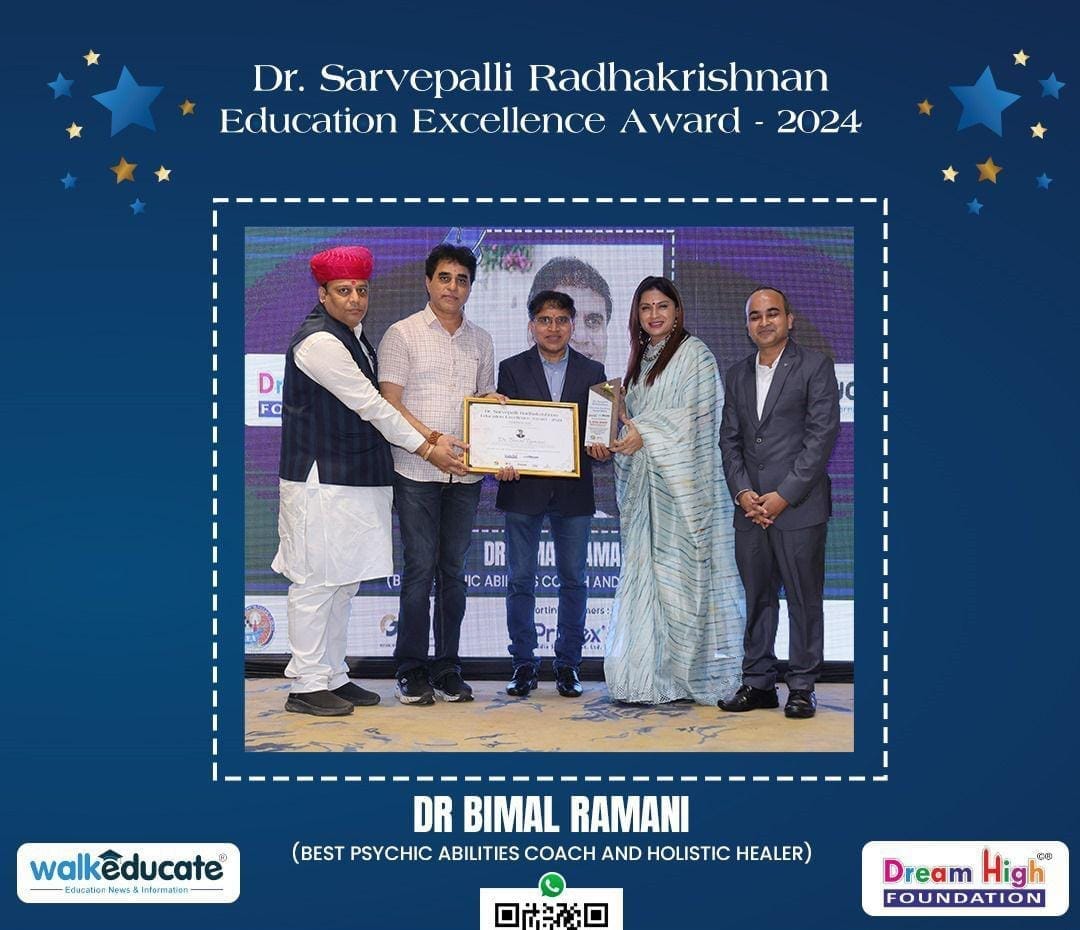
Industry Recognition Amplification: Formal acknowledgment from key industry stakeholders and organizations
2. Educational Platform Diversification
Corporate Training Integration: Strategic partnerships with organizations seeking comprehensive financial capability development
Academic Collaboration Frameworks: Structured relationships with educational institutions incorporating his methodologies
Professional Development Programs: Specialized workshop series addressing specific implementation challenges
Executive Mentorship Systems: High-value individualized coaching relationships with senior financial leaders
Digital Learning Architecture: Comprehensive online course development extending reach beyond geographic limitations
"The sequential structure provides an optimal learning progression that we consistently implement," he observes, noting how the book's architecture has become the foundation for diverse educational initiatives across multiple platforms.
Beyond these direct impacts, the book generated what might be termed a "credibility compound effect"—each speaking engagement led to consulting opportunities, each consulting project generated workshop requests, and each workshop created demand for more specialized training. This self-reinforcing ecosystem of opportunity emerged not as a marketing strategy but as the natural consequence of delivering exceptional value.
Perhaps most significantly, the book transformed Dr. Ramani's relationship with his own expertise—from something he simply possessed to something he could systematically share, scale, and leverage. This shift from personal capability to transferable methodology represents the ultimate business impact: the ability to extend influence far beyond the limitations of individual capacity.
ACTIONABLE INSIGHT:
📌 Opportunity Expansion Framework
Create a "Content Impact Maximization" system to strategically leverage your expertise across multiple channels. Develop a structured matrix with your core content areas as rows and potential application channels as columns (speaking, consulting, training, coaching, online courses, etc.). For each intersection, define: (1) Specific Value Proposition—what unique benefit you offer in this format, (2) Audience Transformation—what concrete change you create for participants, (3) Logical Next Steps—what natural progression exists for those who want to deepen engagement, and (4) Scalability Potential—how this format can be expanded or replicated. Review and update this matrix quarterly, focusing resources on high-impact intersections. This systematic approach transforms your expertise from a personal asset into a scalable business ecosystem with multiple, interconnected revenue streams.
Final Advice for Aspiring Authors
Dr. Ramani's guidance for knowledge professionals considering authorship transcends generic encouragement—it constitutes a strategic framework for translating expertise into lasting impact.
His foundational principles illuminate the path to meaningful contribution:
Authentic Expertise Foundation: "Write from the wellspring of your genuine mastery. Your practical experience—the lessons extracted from direct engagement with your field—constitutes your most valuable intellectual asset." This commitment to authenticity distinguishes transformative resources from mere compilations of existing knowledge.
Contemporary Relevance Commitment: "We must utilize current data and contemporary examples. Financial landscapes evolve rapidly—your content must reflect and illuminate present realities." This dedication to currency ensures that educational resources remain immediately applicable rather than historically interesting.
Uncompromising Quality Standard: "The transformative essence of what we're attempting to communicate should never be sacrificed for expedience or simplification. Quality of insight must invariably supersede quantity of content." This prioritization of depth over breadth creates resources that genuinely advance understanding rather than merely surveying existing knowledge.
Evolutionary Content Architecture: "Develop content with adaptability as a core design principle. Markets transform, examples become outdated, but fundamental principles endure." This forward-looking approach creates resources with extended relevance even as specific applications evolve.
He emphasizes the critical importance of strategic preparation:
Comprehensive Research Foundation: Conduct exhaustive investigation before beginning the writing process, creating a solid factual foundation
Logical Content Architecture: Structure material in sequences that build understanding through deliberate progression
Regular Example Refreshment: Establish systems for updating illustrative examples as markets and practices evolve
Application-Focused Orientation: Maintain unwavering commitment to practical implementation guidance
Audience-Centered Design: Consider diverse learner needs throughout content development and presentation
Dr. Ramani's guidance reveals that effective knowledge sharing requires not just expertise in the subject matter but expertise in how that subject matter is best communicated, applied, and integrated into professional practice. His approach transforms authorship from self-expression to strategic impact—creating resources that don't merely inform but transform practice.
ACTIONABLE INSIGHT:
📌 Strategic Authorship Blueprint
Create a comprehensive "Expertise Transmission Plan" before beginning your writing process. This document should include: (1) Audience Matrix—detailed profiles of at least three distinct reader segments with their specific needs, pain points, and desired outcomes, (2) Transformation Map—clear articulation of how readers will be changed by your content, with "before and after" states for knowledge, skills, and capabilities, (3) Differentiation Analysis—systematic comparison of your approach with existing resources, identifying specific innovations or improvements you're offering, (4) Implementation Framework—structured methodology showing how theory translates to practice across various scenarios, and (5) Evidence Collection—compilation of real-world examples, case studies, and data points that substantiate your approach. This strategic blueprint ensures your content delivers maximum value and distinguishes itself in a crowded information marketplace.
Conclusion
Dr. Ramani's transformation from finance expert to influential author exemplifies the profound impact that occurs when specialized knowledge is made genuinely accessible. His journey demonstrates that technical expertise achieves its greatest value not when hoarded but when strategically shared through frameworks that bridge understanding and application.
His experience offers several transformative insights for knowledge professionals:
Applied Expertise Value: Technical knowledge achieves its highest purpose when connected to practical implementation, transforming abstract understanding into concrete capability
Contemporary Illustration Power: Current, relevant examples don't merely illustrate concepts—they create immediate resonance that accelerates comprehension and application
Integrated Marketing Effectiveness: Marketing technical knowledge works best when it emerges organically from demonstrated expertise rather than promotional claims
Content Quality Primacy: In specialized domains, depth and accuracy consistently outperform volume and breadth in creating lasting impact
Evolutionary Content Necessity: Technical resources maintain relevance only through systematic updating that reflects changing applications while preserving foundational principles
Today, Dr. Ramani continues his mission of bridging theoretical understanding with practical implementation, demonstrating that knowledge's true value isn't measured by how well it's possessed but by how effectively it's transmitted. His experience provides a comprehensive blueprint for experts seeking to transform specialized knowledge into educational resources with lasting impact.
Looking forward, his vision encompasses:
Content Ecosystem Expansion: Creating complementary resources that address specialized applications of core principles
Digital Learning Architecture: Developing comprehensive online environments that extend access beyond geographic limitations
Supplementary Resource Development: Creating implementation tools that facilitate application of theoretical concepts
Content Currency Maintenance: Systematically refreshing existing materials to maintain contemporary relevance
Audience Scope Extension: Adapting core content for additional professional segments with specialized needs
His story serves as both inspiration and strategic guide for professionals considering knowledge sharing through authorship, demonstrating that expertise combined with methodical execution can create educational resources that transform not just understanding but professional practice.
ACTIONABLE INSIGHT:
📌 Knowledge Legacy Framework
Create a "Expertise Transmission Roadmap" that extends beyond your initial content creation. Develop a strategic five-year plan that includes: (1) Content Evolution Strategy—scheduled updates and expansions of your core work, (2) Format Diversification—systematic translation of your content into multiple learning formats (book, courses, workshops, etc.), (3) Reach Expansion—identification of new audience segments and adaptation plans for their specific needs, (4) Collaborative Opportunities—potential partnerships that could enhance or extend your work's impact, and (5) Measurement Systems—specific metrics to track your content's influence and effectiveness over time. This forward-looking approach transforms your expertise sharing from a single project into a comprehensive knowledge legacy with growing impact over time.

Annual Membership Regular
Price Rs. 9980/-
(One-Time-Offer Only ₹499/-)
Unlock the secrets of Bestselling Authors

📘 Over 100 more case studies like these...
We Have Been Featured In..
 Unlock all case studies

All Case Studies

Followers
11000+

Followers
8439

Subscribers
11100+

Groups
500+
LAXIMUS BUSINESS VENTURES PRIVATE LIMITED