contact@adhyyanbooks.com | +91-9986728203





All Case Studies

LAXIMUS BUSINESS VENTURES PRIVATE LIMITED
How I Turned My Path from Doctor to Author
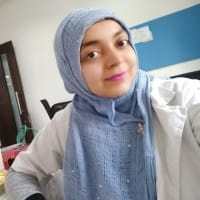
Dr. Afreen Kuttadia
NON-FICTION
GENRE
124
NO. OF PAGES
Paperback
BINDING
Journey
Dr. Aafreen Kotadiya's transformation from medical professional to published author didn't follow a conventional path. As an MBBS graduate pursuing her MD in Immunohematology and Transfusion Medicine at Tata Memorial Centre—India's premier cancer research institute—her days were consumed by demanding clinical rotations, research responsibilities, and emergency on-call shifts that frequently extended to 36 hours.
"My typical day started at 5 AM with case preparations, followed by rounds from 7 AM, clinical duties until evening, and research work that often kept me in the lab until midnight," Dr. Kotadiya recalls. "Most of my colleagues had similar schedules but lacked additional family responsibilities that I carried as the eldest daughter."
Her personal commitments were equally demanding:
Primary Family Support: As the eldest child, she provided significant financial support to her parents and younger siblings, sending over 40% of her modest stipend home each month.
Long-Distance Marriage: Her husband lived 300 kilometers away due to his job constraints, meaning they could meet only once every few months, creating emotional strain alongside professional pressure.
Cultural Expectations: She navigated traditional expectations about a woman's role in her family while pursuing a demanding career path that few women in her community had followed.
"There were days when I would finish a 30-hour shift, then spend my 'free' time coordinating family finances or providing emotional support to relatives during crises," she explains. "The concept of personal time simply didn't exist."
Despite these demands, Dr. Kotadiya harbored a creative ambition that seemed impossible given her circumstances: to write a book that captured the reality of modern professional women balancing multiple worlds simultaneously.
"The dream of writing stayed with me through medical school, residency, and early practice," she shares. "But I kept telling myself that doctors don't become authors—that it was impractical given my responsibilities and background. I convinced myself that books were written by people with literary backgrounds or those who could afford time for creativity."
ACTIONABLE INSIGHT:
Start by documenting your daily routine for one week, identifying even small 15-30 minute pockets that could be reallocated to creative pursuits. Dr. Kotadiya found that her morning commute and lunch breaks provided consistent writing windows when she shifted from passive activities (scrolling social media) to active creation using voice-to-text apps.
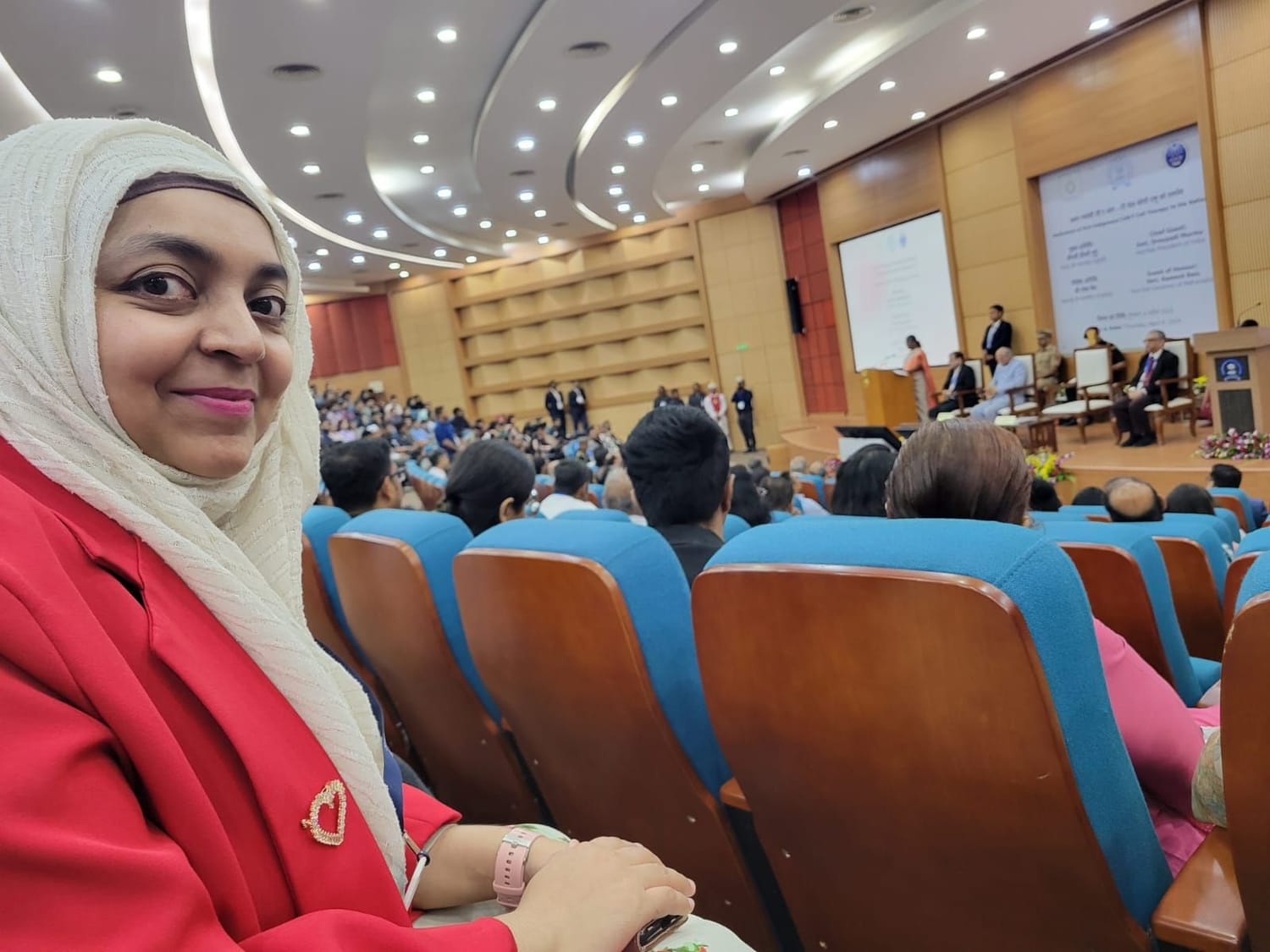
The Trigger Point for Writing
The catalyst for Dr. Kotadiya's transformation occurred during India's devastating second COVID-19 wave in April 2021. As a blood bank physician, she was responsible for managing critical blood component supplies for COVID patients with coagulopathy (blood clotting disorders). The hospital's demand for plasma and platelets had quadrupled, while donor numbers plummeted due to lockdown restrictions.
"I was working triple shifts in full PPE for weeks, seeing colleagues fall ill daily, and still somehow managing remote consultations for my parents who had both contracted the virus back home," she reveals. "Then I tested positive myself—with moderate symptoms requiring hospitalization."
This forced isolation became the unexpected turning point:
Confronting Mortality: With oxygen saturation fluctuating between 89-92% and surrounded by critical patients, Dr. Kotadiya faced her own vulnerability directly. "Watching patients my age deteriorate rapidly made me realize my professional identity wasn't guaranteed—tomorrow wasn't promised."
Complete Disconnection: For the first time in years, she was physically unable to manage others' needs. "The hospital took my phone for sanitization for three days. That enforced digital detox created a mental space I hadn't experienced since childhood."
Clarity Through Crisis: During her recovery, she began journaling her experiences using the hospital's notepad. "Initially, it was just medical observations, but gradually evolved into reflections about life choices, unmet dreams, and the toll of constantly prioritizing others."
What began as therapeutic writing evolved into purposeful creation. By the time she was discharged 15 days later, she had drafted the outline for what would become "Ma, Don't Go!"—a term she frequently heard from her young son during video calls before hospital shifts.
"Those 15 days of isolation forced me to confront what I'd been avoiding: if I continued deferring my personal aspirations until 'someday,' that day might never arrive," Dr. Kotadiya explains. "The first chapter was written in that hospital bed using a borrowed pen and whatever paper I could find."
ACTIONABLE INSIGHT:
Create a "regret minimization framework" by writing down what you would most regret not attempting if faced with a significant health challenge. Then identify one small, concrete action you can take within the next 48 hours to begin addressing this dream, regardless of how imperfect the first step might be. For Dr. Kotadiya, it was writing just 300 words daily, even if only bullet points of ideas.
Choosing the Right Topic
Dr. Kotadiya's approach to subject selection emerged organically from her experiences rather than from calculated market analysis. The book's central theme—the unspoken struggles of professional women balancing career ambitions with familial expectations—came from direct observation of a specific phenomenon in her medical cohort.
"Of the twelve women who started specialty training with me, seven had either quit, taken extended leaves, or switched to less demanding specialties within three years—all related to family responsibilities," she notes. "Meanwhile, none of our male colleagues had made similar compromises. This wasn't about capability but about societal expectations."
Her book addresses three specific dimensions of this challenge:
The Physical Toll: Dr. Kotadiya documents the concrete health impacts of "performance pressure" through clinical data and personal observations. "I incorporated research showing that women in dual-career households experienced cortisol patterns similar to those under chronic stress, with measurable health consequences including compromised immunity, disrupted sleep patterns, and accelerated cellular aging."
The Emotional Burden: She articulates the psychological impact of constantly divided attention. "Many women reported persistent guilt—feeling inadequate at work due to family commitments, while simultaneously feeling they were failing their families because of work demands. This 'guilt loop' creates a neurochemical environment where joy becomes almost neurologically impossible."
Practical Strategies: Most importantly, the book offers evidence-based interventions developed through Dr. Kotadiya's medical training and personal experimentation. "I tested various approaches to time management, boundary setting, and energy preservation, documenting which techniques delivered measurable improvements in both mental health markers and productivity metrics."
Her approach was deliberately balanced between validation and solution:
"I wanted to avoid both extremes I saw in existing literature—the 'lean in' narrative suggesting women just needed to work harder, and the 'self-care' approach that often added another item to women's already impossible to-do lists," she explains. "My book acknowledges systemic barriers while providing tactical methods to navigate them until broader changes occur."
This topic resonated powerfully because it addressed an unspoken reality: "Many women told me they felt broken or uniquely inadequate because no one discussed these challenges openly. By documenting these experiences with medical precision alongside personal narrative, I normalized their struggles while providing a pathway forward."
ACTIONABLE INSIGHT :
Identify your unique "knowledge intersection"—where your professional expertise, personal experience, and observed patterns overlap. Create a Venn diagram with three circles representing: 1) What you know professionally, 2) What you've experienced personally, and 3) What problems you've observed that lack adequate solutions. The center where all three overlap represents your most powerful writing territory. For Dr. Kotadiya, this intersection was the medical impact of role conflict on professional women—something she understood clinically, experienced personally, and observed systematically.
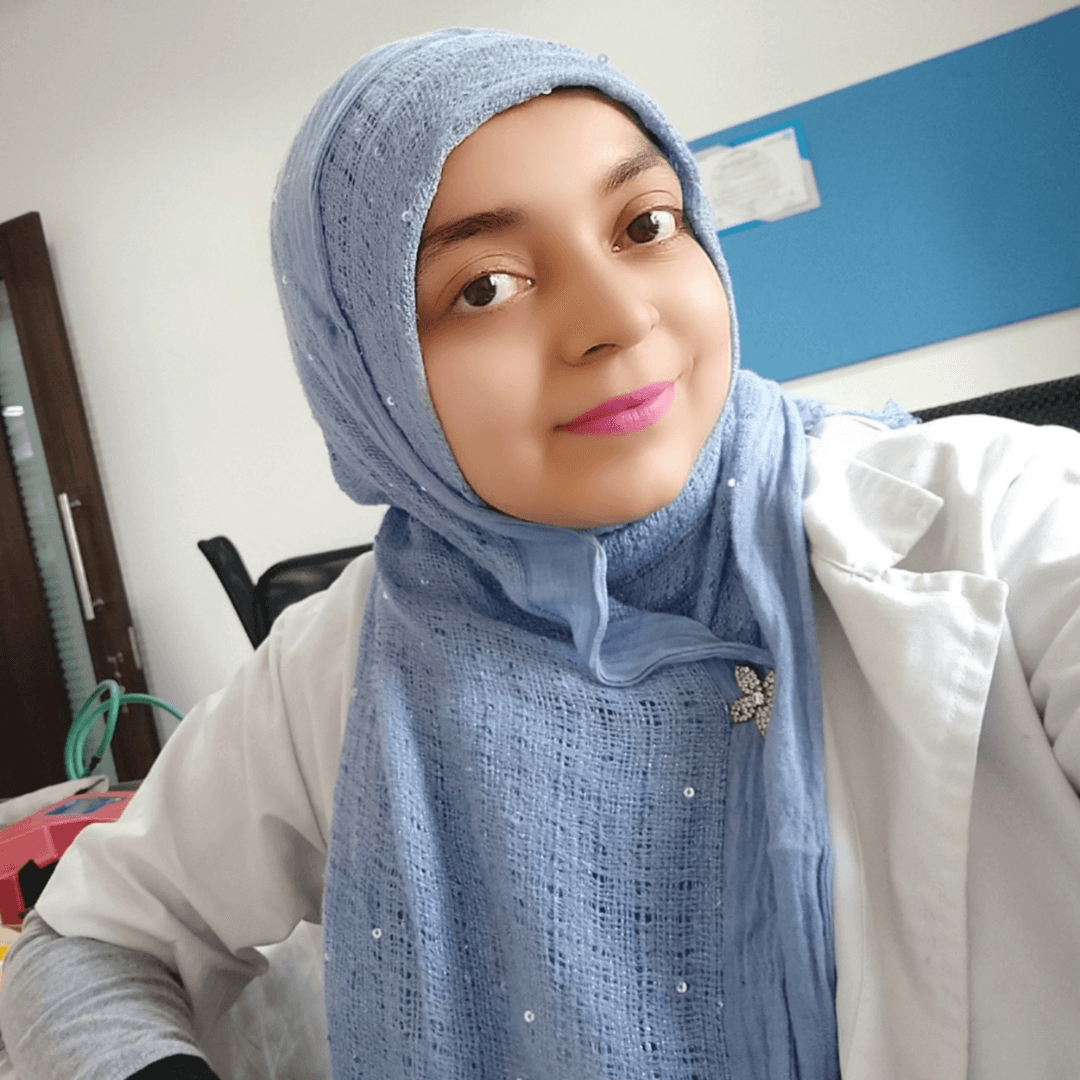
Overcoming Challenges in Writing
Dr. Kotadiya's writing process was far from conventional, necessitated by the constraints of her medical career and family responsibilities. Rather than dedicated writing sessions, she developed a fragmented approach that maximized small windows of availability.
Unconventional Writing Windows: "I wrote the majority of my first draft during 'transition times'—the 20-minute hospital cafeteria breaks, the 40-minute train commute, and the hour before dawn when my household was still asleep," she reveals. "I kept a voice recorder for capturing thoughts during my daily walk to the hospital and transcribed them later."
Non-Linear Progression: Unable to maintain a sequential writing schedule, Dr. Kotadiya developed a modular approach. "I created 'thought capsules'—self-contained sections of 300-500 words on specific topics or experiences. These became building blocks I could later arrange into chapters. Some days I might write about a patient encounter, other days about a childhood memory that shaped my perspective."
Technical Limitations: Without a dedicated writing space or consistent access to a computer, she improvised solutions. "I wrote approximately 30% of my manuscript on my phone using a note-taking app, another 40% through voice notes I later transcribed, and the remainder during the one dedicated writing day I allowed myself each month."
Her most significant challenges included:
Medical Accuracy vs. Accessibility: "Finding the balance between clinical precision and readability was difficult. Early feedback indicated I was writing too technically," she notes. "I developed a 'translation system' where I'd write the medical explanation first, then rewrite it for a twelve-year-old's understanding."
Emotional Vulnerability: The personal nature of her content created unexpected barriers. "There were chapters I had to approach in stages because they triggered emotional responses that interfered with my clinical work," she explains. "I learned to schedule writing emotionally challenging sections only before days off."
Structural Coherence: The fragmented writing process threatened narrative flow. "After completing the modular sections, I struggled with transitions between topics. The book initially read like disconnected essays rather than a cohesive narrative," she admits. "I solved this by creating a physical storyboard in my apartment where I could physically move sections around until the progression felt natural."
Her perseverance strategies included:
Accountability Partners: "I shared my monthly writing goals with two colleagues who would check in weekly. Their expectation of progress was often what got me writing after exhausting shifts."
Progress Visualization: "I kept a simple dot journal where each dot represented 300 words. Seeing the accumulation of dots—even just a few per day—helped maintain momentum during periods when completion seemed impossible."
Purpose Reconnection: "When motivation flagged, I would review messages from women in similar situations who had read early sections. Their responses reminded me why this work mattered beyond my personal achievement."
ACTIONABLE INSIGHT :
Implement a "minimum viable writing session" approach by determining the smallest useful writing increment for your project. Dr. Kotadiya's 300-word "thought capsules" required as little as 15 minutes to draft. Create a template with three prompts: 1) What specific point am I making in this section? 2) What example demonstrates this point? 3) Why does this matter to my reader? Even when energy and time are limited, completing one capsule maintains momentum and builds toward your larger goal.
Research and Inspirations
Dr. Kotadiya's research methodology reflected her scientific training while incorporating diverse sources that captured the lived experiences she aimed to document. Her approach combined rigorous data collection with narrative exploration.
Primary Research: Recognizing the lack of comprehensive studies on her specific topic, Dr. Kotadiya conducted structured interviews with 73 professional women across medical, legal, academic, and corporate fields.
"I created a standardized questionnaire focusing on role conflicts, coping mechanisms, and health impacts," she explains. "The patterns that emerged—particularly around sleep disruption, delayed medical care, and relationship strain—provided quantifiable evidence that these weren't isolated experiences but systemic issues."
Medical Literature Review: Her clinical background enabled her to connect personal narratives with physiological impacts.
"I reviewed over 40 studies on stress biomarkers in working mothers, cortisol patterns in caregivers, and immune function in chronically stressed populations," she notes. "This allowed me to explain why women weren't 'just tired' but experiencing measurable biological consequences from their competing responsibilities."
Cross-Cultural Comparison: To provide context and possible solutions, she explored practices from different cultural settings.
"Examining family-work integration in Scandinavian countries, extended family support systems in East Asian cultures, and community childcare approaches in certain African traditions revealed alternative models to our individualistic assumption that women should manage everything alone," she shares.
Her inspiration sources were equally diverse:
Case Study: Dr. Meera Shah: "Dr. Shah's experience particularly influenced my writing. As a pediatric oncologist and mother of three, she developed a 'life integration' approach rather than pursuing work-life balance. She negotiated specific work accommodations—like consolidated clinic days and home administrative hours—that respected both her professional excellence and family priorities."
Historical Examination: "I researched how women physicians in the early 20th century navigated similar challenges, discovering correspondence between pioneering female doctors that showed these tensions have historical continuity. Their strategies—like creating communal living arrangements where childcare and household duties were shared—offered forgotten alternatives to our current individualistic approach."
Literary Influences: "Beyond academic sources, I found inspiration in authors like Chimamanda Ngozi Adichie, whose essays on feminism and motherhood articulated complex truths with clarity and nuance. Her writing taught me to present challenging ideas with both conviction and compassion."
Dr. Kotadiya's research wasn't just academic—it transformed her understanding of her own experiences:
"The research process helped me recognize that what I had perceived as personal failings were actually predictable outcomes of attempting to fulfill incompatible societal expectations," she reflects. "This shifted my narrative from one of individual struggle to a call for systemic reevaluation, while still providing practical tools for navigating current realities."
ACTIONABLE INSIGHT :
Create a "research triangle" by gathering information from three distinct sources for any significant topic in your writing: 1) Statistical/academic evidence that provides objective validation, 2) Expert perspectives from practitioners in the field, and 3) Personal narratives that illustrate the human impact. For Dr. Kotadiya, this meant combining medical studies with interviews from fellow physicians and personal stories from women navigating similar challenges. This triangulation creates a more compelling and credible presentation than relying on any single evidence type.
Impact of the Book
The publication of "Ma, Don't Go!" catalyzed concrete changes that extended far beyond Dr. Kotadiya's expectations, transforming both institutional practices and individual lives.
Workplace Policy Reforms: Within three months of publication, Dr. Kotadiya's institution implemented significant policy changes directly influenced by the book's recommendations:
"The administration established India's first hospital-integrated childcare facility operating during all shifts, including nights and weekends," she explains. "This addressed a critical pain point identified in my research—that existing childcare rarely accommodated medical schedules."
Additional institutional changes included:
Flexible Scheduling System: "The hospital introduced 'split shifts' allowing parents to coordinate work hours with their partners, reducing childcare conflicts without decreasing total work time."
Lactation Support Program: "Dedicated lactation spaces were created in each department, with protected break times for nursing mothers—something previously considered impossible in our high-pressure environment."
Mental Health Integration: "Monthly guided discussion groups were established where medical professionals could address work-life integration challenges, reducing isolation and normalizing these conversations."
The book's impact extended beyond structural changes to influence individual career trajectories:
Retention Improvements: "Follow-up data revealed that the department's retention rate for female specialists increased by 38% in the year following these implementations, representing millions in saved recruitment and training costs."
Career Reclamation: "Fifteen physicians who had previously reduced their hours or left clinical practice returned to full engagement after these support systems were established, bringing valuable experience back into patient care."
Male Engagement: "Perhaps most surprisingly, 42% of participants in the work-life integration programs were men who reported wanting more balanced lives but had felt unable to request accommodations."
For Dr. Kotadiya personally, the book transformed her professional identity:
Advisory Roles: "I was invited to consult with three additional medical centers implementing similar programs, expanding the impact beyond my institution."
Policy Influence: "The Ministry of Health incorporated aspects of my recommendations into their guidelines for medical institutions, creating the potential for national-scale implementation."
Academic Recognition: "My work on physician retention and gender equity is now included in two medical school curricula, introducing these concepts to future doctors before they face these challenges."
The most meaningful impact, however, came through individual stories:
"A senior surgeon told me she had been drafting her resignation letter the day she read my book," Dr. Kotadiya shares. "Instead, she used the communication frameworks I outlined to negotiate arrangements that allowed her to continue her groundbreaking work while supporting her family's needs. Knowing that her patients continue to benefit from her expertise is more valuable than any professional recognition I've received."
ACTIONABLE INSIGHT :
Create an "impact measurement framework" before publishing your work by identifying three levels of potential change: 1) Individual transformation (how readers' personal lives might improve), 2) Organizational adaptation (how institutions might evolve their practices), and 3) Systemic reconsideration (how your work might influence broader cultural or policy discussions). For each level, define 2-3 specific, observable outcomes that would indicate success. This framework helps you track meaningful impact beyond sales numbers and guides your post-publication advocacy efforts.


Words of Wisdom for Aspiring Authors
Dr. Kotadiya's advice for aspiring authors emerges from her experience navigating the complex journey from concept to published work. She offers tactical guidance rather than general encouragement:
Start Before You're Ready: "The perfect conditions for writing will never materialize, especially for those with demanding careers," she emphasizes. "I waited for 'the right time' for years until I realized it doesn't exist. Begin with whatever time and tools you have available—even if that means dictating notes during your commute or writing on your phone while waiting in line."
Identify Your Minimum Viable Progress: "Determine the smallest amount of work that helps maintain momentum. For me, it was 300 words or one clearly articulated idea. On my busiest days, completing just that minimum kept the project alive and prevented the inertia that comes from extended breaks."
Create Protected Space—Both Physical and Mental: "Even without a dedicated office, establish writing rituals that signal to your brain it's time to create. I had a specific playlist that served as my mental trigger and a red scarf I would wear only during writing sessions—simple cues that helped transition between roles."
Build Strategic Accountability: "Choose accountability partners who understand your constraints. My writing group included other professionals with demanding schedules—we focused on progress rather than pace, celebrating consistency over speed."
Embrace Imperfect Production: "Accept that your first draft will be deeply flawed, especially if written in fragmented sessions. I dedicated my initial efforts simply to getting ideas on paper, knowing refinement would come later. This separated the creation and editing processes, making both more effective."
Connect to Purpose During Challenges: "When facing obstacles, reconnect with your core motivation. I kept a folder of messages from early readers who found value in my work. On difficult days, reading their words reminded me why completion mattered beyond my personal achievement."
Prioritize Publishing Partners Who Understand Your Vision: "Not all publishers approach projects with the same priorities. I chose a smaller publisher who embraced both the scholarly elements and personal narrative in my work, rather than forcing me to simplify my message for broader market appeal."
Her most emphatic advice addresses the fear that prevents many professionals from sharing their knowledge:
"The expertise trap prevents many valuable books from being written," Dr. Kotadiya observes. "The more knowledgeable you are in your field, the more aware you become of the limitations of your understanding. This awareness often manifests as imposter syndrome."
Her solution to this paradox is pragmatic:
"Reframe your goal from being the definitive authority to being a generous contributor. My book doesn't contain everything known about work-life integration for professional women—it offers my perspective, research, and experiences as one useful contribution to an ongoing conversation. This shift from definitive to contributive thinking often unlocks the courage to publish."
ACTIONABLE INSIGHT :
Implement a "writing permission slip" practice by setting a 30-minute timer and listing all the reasons you feel unqualified or unprepared to write your book. Then create counterarguments to each objection, identifying specific qualifications you do possess. Complete this exercise by writing a formal "permission slip" to yourself acknowledging both your limitations and unique contributions. Dr. Kotadiya kept her permission slip visible during writing sessions as a reminder that perfection wasn't required—only honest contribution based on her specific experience and knowledge.
Final Thoughts
Dr. Aafreen Kotadiya's evolution from physician to published author represents more than a personal achievement—it demonstrates the catalytic potential of sharing specialized knowledge through accessible narrative. Her journey offers several enduring lessons for professionals considering similar paths:
Transform Constraints into Methodology: Rather than allowing her limited time and resources to prevent writing, Dr. Kotadiya developed a fragmented approach that ultimately enhanced her book's structure and accessibility.
"The necessity of writing in short bursts meant each section needed to stand independently while contributing to the whole," she explains. "This constraint actually created a more readable final product, as readers could engage with the material in brief sessions that matched their own busy lives."
Recognize the Unique Value of Cross-Domain Expertise: Dr. Kotadiya's medical training provided analytical tools and evidence-based approaches rarely found in work-life literature, while her personal experiences added emotional resonance often missing from academic writing.
"The intersection of clinical knowledge and lived experience allowed me to connect physiological impacts with daily choices in ways neither medical journals nor typical self-help books address," she notes. "This integration created unique value that neither domain could provide independently."
View Publishing as the Beginning, Not the End: For Dr. Kotadiya, the book's publication was not the culmination but rather the foundation for broader impact through policy advocacy, institutional consulting, and community building.
"I initially saw publication as the finish line," she reflects. "I've since discovered it was actually the starting point for more meaningful work. The book established credibility that opened doors to implementation opportunities I hadn't anticipated."
Dr. Kotadiya's path illuminates how professionals can move from identifying problems to creating solutions that extend beyond individual practice:
"Many of us observe systemic challenges in our fields but feel powerless to address them," she observes. "Writing provides a bridge between personal frustration and collective action. By articulating both problems and possible approaches, we invite collaboration toward better systems."
Her parting message focuses on the ripple effects of knowledge sharing:
"When expertise remains isolated in professional silos, its impact is limited. By translating specialized knowledge into accessible insights, we extend its reach and application," Dr. Kotadiya concludes. "Your professional journey has given you unique perspective that, when shared effectively, can illuminate paths for others facing similar challenges. That translation of experience into guidance may ultimately be your most significant contribution."
ACTIONABLE INSIGHT :
Create a "knowledge impact ladder" identifying five ways your expertise could be shared, from lowest to highest investment: 1) Short-form content like articles or social media, 2) Structured resources like templates or guides, 3) Interactive formats like workshops or webinars, 4) Comprehensive content like books or courses, and 5) System-level influence through consulting or advocacy. Begin with lower-investment formats to test ideas and build audience, then progressively move up the ladder as you clarify your message and confirm its value. This staged approach builds confidence while incrementally expanding your impact, just as Dr. Kotadiya progressed from LinkedIn posts to a published book to policy consultation.

Annual Membership Regular
Price Rs. 9980/-
(One-Time-Offer Only ₹499/-)
Unlock the secrets of Bestselling Authors
📘 Over 100 more case studies like these...
We Have Been Featured In..
 Unlock all case studies

All Case Studies

Followers
11000+

Followers
8439

Subscribers
11100+

Groups
500+
LAXIMUS BUSINESS VENTURES PRIVATE LIMITED