contact@adhyyanbooks.com | +91-9986728203









All Case Studies

LAXIMUS BUSINESS VENTURES PRIVATE LIMITED
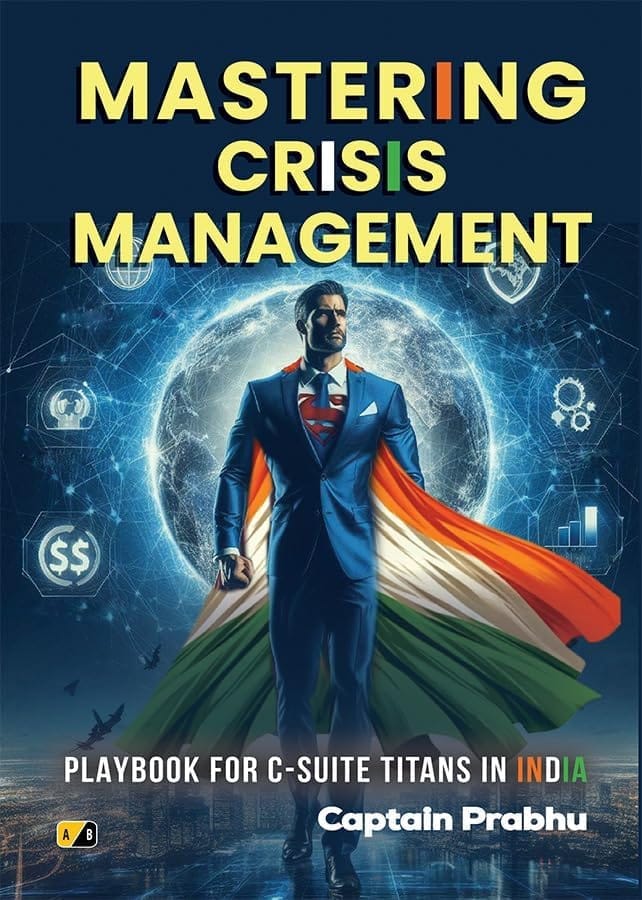
From Cockpit to Bestseller: How Captain Prabhu Transformed His Aviation Expertise into a Life-Changing Book

Captain Prabhu
NON-FICTION
GENRE
267
NO. OF PAGES
Paperback
BINDING
Introduction
Every professional accumulates a treasure trove of knowledge through years of dedicated practice, but few recognize the gold mine they're sitting on. Captain Prabhu was no different. As an aviation expert with decades of distinguished service, his days were filled with training pilots, conducting technical workshops, and mentoring aspiring aviators. The thought of becoming an author seemed as distant as the stars he flew among.
"Writing? That's for professional authors," he'd tell himself. "I'm just a pilot who happens to teach."
Yet something remarkable happened that transformed this humble aviation expert into a published author whose book now guides countless students through the complexities of flight. His transition wasn't just about putting words on paper—it was about packaging decades of wisdom into a format that could reach beyond the walls of a classroom.
Captain Prabhu's journey reveals a universal truth: expertise isn't just meant to be practiced; it's meant to be shared. His book didn't merely document technical knowledge; it became a compass for aspiring aviators, offering them practical insights in accessible language that textbooks often lack.
This story explores Captain Prabhu's transformation—from his life before authorship, the pivotal moment that launched his writing journey, his process for distilling complex topics, the challenges of publishing, and ultimately, how one book completely reshaped his career and personal brand.
If you've ever doubted your ability to write a book because you don't consider yourself a "writer," Captain Prabhu's experience will show you that authorship isn't about literary talent—it's about having valuable knowledge that deserves to be shared.
ACTION INSIGHT:
Identify your unique expertise that others consistently seek your advice on. This repeated pattern of questions points to a knowledge gap you're uniquely positioned to fill with a book. Start by listing the top 5 questions people ask you about your specialty.
The Pre-Author Life
Before the title "author" appeared on his business card, Captain Prabhu had already earned respect throughout the aviation community. His reputation as a skilled pilot was matched only by his gift for mentorship. Students flocked to his training sessions not just for technical instruction, but for his remarkable ability to translate the complex language of aviation into concepts anyone could grasp.
Despite this natural teaching talent, Captain Prabhu never saw himself as someone who would write a book. His calendar overflowed with commitments:
Dawn-to-dusk training sessions with nervous but eager pilots
One-on-one mentoring with students struggling to master difficult concepts
Operational responsibilities that kept planes in the air and passengers safe
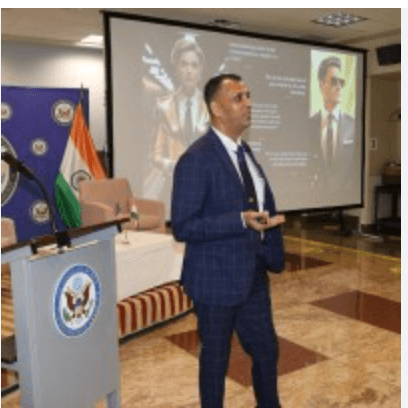
Speaking engagements where industry professionals hung on his every word
His knowledge-sharing existed in these fleeting moments—powerful, but limited to those physically present. There were only so many hours in a day, only so many students he could reach with his voice alone.
The disconnect was clear: The demand for practical aviation knowledge that bridged theory and application was enormous, but the available resources fell short. Textbooks were dense and technical. Training programs moved too quickly for true comprehension. Students often left feeling overwhelmed rather than empowered.
"Sir, you have a way of explaining things that just clicks. Why isn't there a book that teaches like you do?" a student asked after class one day.
The question lingered in Captain Prabhu's mind, but he brushed it aside with a modest smile. "I'm not really a writer," he'd respond, unaware that he was already writing his book through every lesson he taught.
In retrospect, Captain Prabhu now understands that the need for his book existed long before he acknowledged it. He possessed the knowledge, he had accumulated the experience, and most importantly, he already had an audience hungry for his insights. The only missing piece was his belief that he could transform his spoken wisdom into written words.
ACTION INSIGHT:
Document your teaching moments for one week. When someone thanks you for explaining something well, write down exactly what you said and how you said it. These explanations are the foundation of your future book's most valuable sections.
The Trigger Point
Transformation rarely happens in a single dramatic moment. Instead, it builds gradually through small realizations that eventually become impossible to ignore. For Captain Prabhu, the journey from expert to author unfolded through a series of encounters that slowly shifted his perspective.
The first seed was planted by a struggling student pilot who approached him after a particularly challenging lecture. "Sir, I've read the textbooks five times and watched countless videos, but nothing makes sense until you explain it. I wish I could take your explanations home with me."
This comment might have faded from memory, but similar sentiments kept emerging from different students. Each time, Captain Prabhu would offer additional help, unaware that these moments were signaling a larger need.
The turning point came during an aviation industry conference. Captain Prabhu attended a session led by a fellow aviation expert who had recently published a book. The speaker described how writing had transformed his career—how his knowledge now reached thousands instead of dozens, how his expertise was recognized globally rather than locally, and how opportunities seemed to find him rather than requiring constant pursuit.
"I wasn't sitting in that conference room by accident," Captain Prabhu reflects. "Something inside me was already considering this path, even if I hadn't admitted it to myself."
On the flight home, a realization struck him with unexpected clarity: he was already doing the work. Every simplification of a complex concept, every analogy that made technical details relatable, every troubleshooting method he'd developed—these were all chapters of an unwritten book.
The decision crystallized around two simple truths:
His experience was addressing a genuine need that existing resources weren't filling
A book would extend his ability to help from dozens of students to potentially thousands
The idea now felt less like a distant possibility and more like a responsibility. But one major obstacle remained—he had never written anything longer than training notes. The path from expert to author seemed daunting without a map to follow.
"That's when I realized that just as my students needed guidance to fly, I needed guidance to write," he says. "And just like flying, writing is a skill that can be learned with the right system and support."
ACTION INSIGHT:
Identify your "trigger point" by asking what problem your expertise solves that continues to frustrate people despite existing solutions. Create a simple one-page outline of how your approach differs from what's currently available.
Choosing the Topics
With the decision to write firmly made, Captain Prabhu faced what many first-time authors find most paralyzing: determining exactly what his book should cover. After decades in aviation, his knowledge spanned numerous domains—technical systems, safety protocols, human factors in flight, emergency procedures, and industry best practices.
The temptation to include everything was strong. "I wanted to pour my entire career into those pages," he admits. "But I quickly realized that would create the same overwhelming experience that frustrated my students in the first place."
Instead, Captain Prabhu approached topic selection like planning a flight path—with precision, purpose, and a clear destination in mind. He followed a methodical process:
First, he identified his primary audience. Who would benefit most from his book? The answer came easily: aspiring pilots and aviation students who struggled with the gap between theoretical knowledge and practical application. These weren't experts seeking advanced concepts; they were learners needing a bridge to understanding.
Next, he cataloged repeated questions and pain points. Over years of teaching, certain questions arose with remarkable consistency. By tracking these patterns, Captain Prabhu identified where existing educational resources were failing his students. These knowledge gaps became his book's foundation.
Then, he assessed genuine demand. During training sessions, he noted how many students sought additional materials or asked for recommended reading. The hunger for accessible learning resources was undeniable—students were actively searching for what wasn't yet available.
Finally, he aligned topics with his unique expertise. Rather than attempting to cover everything, he focused on areas where his teaching approach had proven most effective. His specialty wasn't just aviation—it was making complex aviation concepts understandable.
Through this process, his book's focus emerged with clarity: it would serve as a translator between technical aviation concepts and practical understanding. It would fill the gap between dense textbooks and real-world application, providing a resource that spoke in the language of the learner rather than the expert.
"The more focused I made the topic, the more valuable the book became," Captain Prabhu reflects. "It wasn't about covering everything—it was about solving the specific problems that kept appearing in my classroom day after day."
With his topic defined, the next challenge awaited—transforming decades of spoken knowledge into a structured manuscript that could stand on its own.
ACTION INSIGHT:
Create a "Frequently Asked Questions" list from your experience. Rank these questions by how often they're asked and how inadequately they're answered by existing resources. The top three intersections of "frequently asked" and "poorly addressed" form the core topics for your book.
Publishing Journey
With his topic clearly defined, Captain Prabhu faced the most daunting phase of his author journey—actually writing the book. For someone whose expertise had always been shared through speaking and demonstration, the blank page presented an unfamiliar challenge.
"The first day I sat down to write, I stared at the screen for an hour and wrote three sentences," he recalls with a laugh. "I nearly gave up then and there."
Instead of surrendering to that initial struggle, Captain Prabhu approached the writing process with the same methodical mindset he applied to flight training. He broke down the seemingly impossible task into manageable steps:
Creating a detailed outline became his first priority. Rather than attempting to write from beginning to end, he mapped the entire book as chapters and subchapters. This framework served as his flight plan, providing direction when the writing process felt disorienting.
"The outline was my lifeline," he explains. "Whenever I felt lost, I returned to it, focusing on one small section at a time rather than the entire book."
Establishing a consistent writing routine proved essential. With his demanding schedule, waiting for "free time" would have meant never writing at all. Instead, he committed to one hour each morning before his regular duties began. Some days yielded paragraphs, others pages, but consistency ultimately mattered more than quantity.
Recognizing when to seek help accelerated his progress. While Captain Prabhu knew aviation inside and out, the mechanics of writing and book structure were new territory. He enlisted professional editors who preserved his authentic voice while enhancing clarity and flow.
"Asking for help wasn't a sign of weakness—it was the smart approach," he reflects. "Just as I wouldn't expect a writer to fly a plane without training, I couldn't expect to master writing without guidance."
Navigating publishing options required careful consideration. He explored traditional publishing routes before deciding on a path that offered greater control over content and timeline. Through a guided self-publishing approach, he maintained his book's integrity while ensuring professional quality.
The journey from first draft to published book took eight months of dedicated effort. There were moments of doubt, days when progress seemed impossible, and times when the entire project felt overwhelming. Yet by treating each challenge as a problem to solve rather than a reason to quit, Captain Prabhu steadily moved forward.
When he finally held the printed copy of his book, the sensation was unlike anything he'd experienced in his aviation career. "Seeing my name on the cover felt surreal," he says. "But knowing my knowledge could now reach people I'd never meet—that was the true reward."
With the book complete, a new challenge emerged—ensuring it reached the audience who needed it most.
ACTION INSIGHT:
Set up a "minimum viable writing system" with three components: a dedicated time (even just 30 minutes daily), a specific place where you only write, and a process to track progress (like words written or sections completed). Start with an embarrassingly small daily goal that's impossible to fail at achieving.

Marketing and Branding
Even the most valuable book remains worthless if it sits unread. Captain Prabhu quickly realized that publishing was only half the journey—the book now needed to find its way into the hands of those who would benefit from it.
"I'd naively thought writing the book was the hard part," he admits. "Then I faced the question: how do I let people know it exists?"
Without a background in marketing or book promotion, he might have faltered. Instead, Captain Prabhu approached this challenge with the same structured thinking that had guided his aviation career:
He began with his existing connections. His first readers were his own students and colleagues—people who already recognized the value of his teaching. Their enthusiastic response created the initial momentum through authentic word-of-mouth recommendations.
"My students became my greatest advocates," he notes. "When someone benefits from your knowledge, they naturally want to share that resource with others facing similar challenges."
Social media became a platform for sharing knowledge, not just promotion. Rather than simply announcing his book, Captain Prabhu began sharing valuable insights from it online. He would address common aviation questions, explain difficult concepts, or discuss industry challenges—always providing genuine value first.
"I never posted 'Buy my book,'" he explains. "Instead, I shared helpful content that demonstrated the type of insights readers would find inside it."
Free workshops and webinars expanded his reach. By conducting online sessions that addressed specific aviation topics, Captain Prabhu connected with potential readers while establishing his expertise. These events weren't direct sales pitches but opportunities to provide genuine help.
Industry credibility grew through strategic endorsements. He reached out to respected aviation professionals, offering advance copies and requesting honest feedback. Their testimonials validated the book's value to readers still deciding whether to purchase.
Digital and physical distribution channels ensured accessibility. The book became available through multiple platforms, including major online retailers and specialty aviation bookstores, making it easy for interested readers to find and purchase.
Captain Prabhu discovered that effective marketing wasn't about aggressive selling but rather about consistently demonstrating value. By positioning himself as a helpful resource rather than a pushy salesperson, he built a loyal readership that continued to grow through recommendation.
"Marketing felt uncomfortable at first," he reflects. "But I realized I wasn't selling a product—I was connecting people with a solution to their problems. That perspective changed everything."
ACTION INSIGHT:
Create a "value-first" marketing calendar where you share one genuinely helpful piece of content related to your book each week before launch. This builds an audience that trusts your expertise and values your perspective, making them more likely to purchase your book when it's available.
The Business Impact
When Captain Prabhu began writing his book, he viewed it primarily as an educational resource—a way to help aviation students overcome common learning obstacles. What he didn't anticipate was how profoundly this single book would transform his professional standing and create business opportunities he had never imagined.
The impact unfolded in waves, beginning almost immediately after publication:
His professional credibility soared to new heights. The book established Captain Prabhu as more than just another experienced pilot—it positioned him as a thought leader whose insights were now documented and accessible. Aviation schools, training centers, and industry organizations began viewing him differently.
"Before the book, I was a well-respected instructor," he explains. "After the book, I was considered an authority whose opinions shaped industry conversations."
Training requests increased dramatically in both quantity and quality. Aviation academies that had never contacted him before now sought his expertise for specialized workshops. What had once been occasional training invitations became a steady stream of opportunities with premium institutions.
"The nature of the requests changed," he notes. "I was no longer asked to deliver standard training—I was invited to design custom programs based on my unique approach."
Speaking engagements expanded beyond technical training. Industry conferences, aviation summits, and educational institutions began inviting Captain Prabhu to deliver keynote addresses. His calendar filled with opportunities to share his insights with influential audiences.
New revenue streams emerged organically. Beyond direct book sales, which provided a modest but steady income, the book's true financial impact came through increased demand for his expertise. Consulting fees, speaking honorariums, and specialized training programs generated significant revenue that hadn't been accessible before.
His influence extended globally. Previously limited to his local aviation community, Captain Prabhu now received messages from readers across continents. His inbox filled with questions and thanks from aviation students he would never have reached otherwise.
The most meaningful confirmation of impact came during an industry conference when a young woman approached him. "Your book helped me become a pilot when I was ready to give up," she told him. "I failed my technical exams twice until I found your explanations. Now I fly commercial routes in Asia."
This encounter crystallized what the book had accomplished beyond business metrics. It hadn't just advanced Captain Prabhu's career—it had made aviation knowledge accessible to those who needed it most, changing lives in the process.
"The book created a positive cycle," he reflects. "Greater reach led to more opportunities, which allowed me to help more people, which further expanded my reach. All from simply sharing what I already knew in an accessible format."
ACTION INSIGHT:
Create a "brand elevation plan" by listing three specific ways your book can transform your professional positioning. For each opportunity (speaking, consulting, training), identify five organizations that would value this expertise and craft personalized outreach messages highlighting how your book demonstrates your unique value to their audience.
Final Advice for Aspiring Authors
Having navigated the journey from aviation expert to published author, Captain Prabhu often meets professionals who, like his former self, dismiss the idea of writing a book because they don't identify as "writers." To these hesitant experts, he offers hard-won wisdom:
Begin with purpose, not process. "Don't start by asking 'How do I write a book?'" he advises. "Start by asking 'Why does this book need to exist?' A compelling purpose will sustain you through the inevitable challenges."
Many potential authors focus too heavily on writing techniques and not enough on clarifying the unique value their book will provide. Captain Prabhu suggests writing a single paragraph that completes this sentence: "After reading my book, people will finally be able to..."
Embrace collaboration over isolation. "The myth of the solitary author hunched over a keyboard is outdated and discouraging," he explains. "Modern book creation is often a team effort."
Captain Prabhu credits much of his success to recognizing when to seek expert help. Editors shaped his raw knowledge into reader-friendly content. Publishing professionals guided him through production details. Marketing specialists helped his book find its audience.
Make consistency your superpower. "Waiting for inspiration or large blocks of free time is a recipe for never finishing," he warns. "Small, consistent actions compound remarkably over time."
His approach was simple but effective: 60 minutes of writing each morning, without exception. Some days produced several pages, others just a paragraph, but the cumulative effect of this consistency ultimately created a complete manuscript.
Treat marketing as education, not promotion. "Nobody wants to be sold to, but everyone values being helped," Captain Prabhu observes. "The most effective marketing simply demonstrates the value your book provides."
Rather than uncomfortable self-promotion, he focused on sharing helpful content that showcased his expertise while solving real problems. This approach attracted readers who genuinely needed what his book offered.
View your book as a beginning, not an endpoint. "A book isn't just a product—it's a platform that opens doors to opportunities you can't yet imagine," he shares.
The true value of Captain Prabhu's book wasn't in its direct sales but in how it transformed his professional positioning and created new pathways for impact. The book became a foundation for speaking engagements, consulting opportunities, advanced training programs, and global recognition.
His final message to hesitant experts is simple but powerful: "Writing a book is like piloting an aircraft—there will be turbulence, but if you stay the course, the destination is worth every challenge along the way."
ACTION INSIGHT:
Create a "First Flight Plan" for your book by scheduling three 30-minute sessions this week. In session one, write down your book's core purpose and primary audience. In session two, list the three most valuable insights you'll share. In session three, sketch a basic chapter outline. This minimal commitment will transform your book from an idea into a project with momentum.
Conclusion
Captain Prabhu's journey from cockpit to bestselling author illuminates a path that many experts could follow but few actually take. His transformation wasn't just about creating a book—it was about recognizing that expertise locked inside one person's experience benefits few, while knowledge thoughtfully shared can impact thousands.
What began as a simple desire to help aviation students better understand complex concepts evolved into something far more significant. His book didn't just simplify technical information—it broke down barriers to entry in an industry where clear understanding can mean the difference between safety and danger.
The ripple effects of his decision to write continue to expand. Students who might have abandoned their aviation dreams have found clarity through his pages. Training programs have adopted his methodologies. Industry conversations now include his perspectives. And Captain Prabhu himself has discovered new dimensions to his professional identity and purpose.
His story challenges the common misconception that authorship belongs only to those with literary backgrounds. In today's knowledge economy, the most valuable books often come from practitioners who can translate complex expertise into accessible wisdom.
For professionals hesitating at the threshold of authorship, Captain Prabhu's experience offers both encouragement and a roadmap. Your knowledge, earned through years of practice and problem-solving, deserves to reach those who need it. Your expertise isn't just a personal asset—it's a solution waiting to help others overcome the very challenges you've already navigated.
The journey from expert to author may seem daunting, but as Captain Prabhu discovered, it doesn't require literary genius—just valuable knowledge, a structured approach, and the courage to begin.
Your book is waiting. The only question is: When will you start writing it?
ACTION INSIGHT:
Make a commitment to the first step right now. Open a new document and write the working title of your book at the top. Then list three people who would benefit from your knowledge and exactly how your book would help them. This simple act moves you from someone thinking about writing to someone who has begun.

Annual Membership Regular
Price Rs. 9980/-
(One-Time-Offer Only ₹499/-)
Unlock the secrets of Bestselling Authors

📘 Over 100 more case studies like these...
We Have Been Featured In..
 Unlock all case studies

All Case Studies

Followers
11000+

Followers
8439

Subscribers
11100+

Groups
500+
LAXIMUS BUSINESS VENTURES PRIVATE LIMITED