contact@adhyyanbooks.com | +91-9986728203









All Case Studies

LAXIMUS BUSINESS VENTURES PRIVATE LIMITED
From Public Service to Published Author: How a Government Officer Transformed Knowledge into Literature
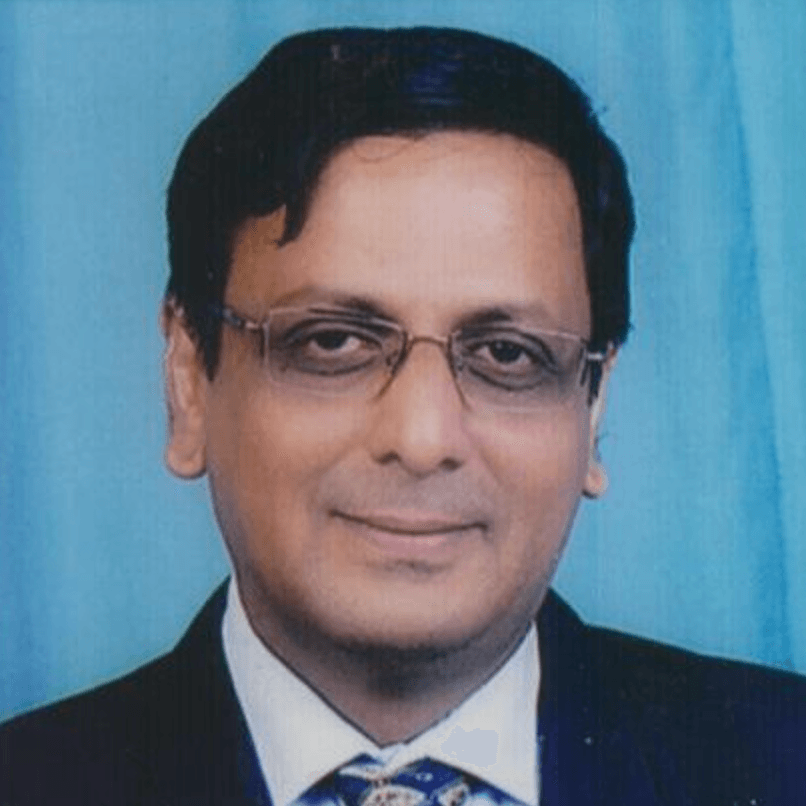
Bimal Kumar Sikdar
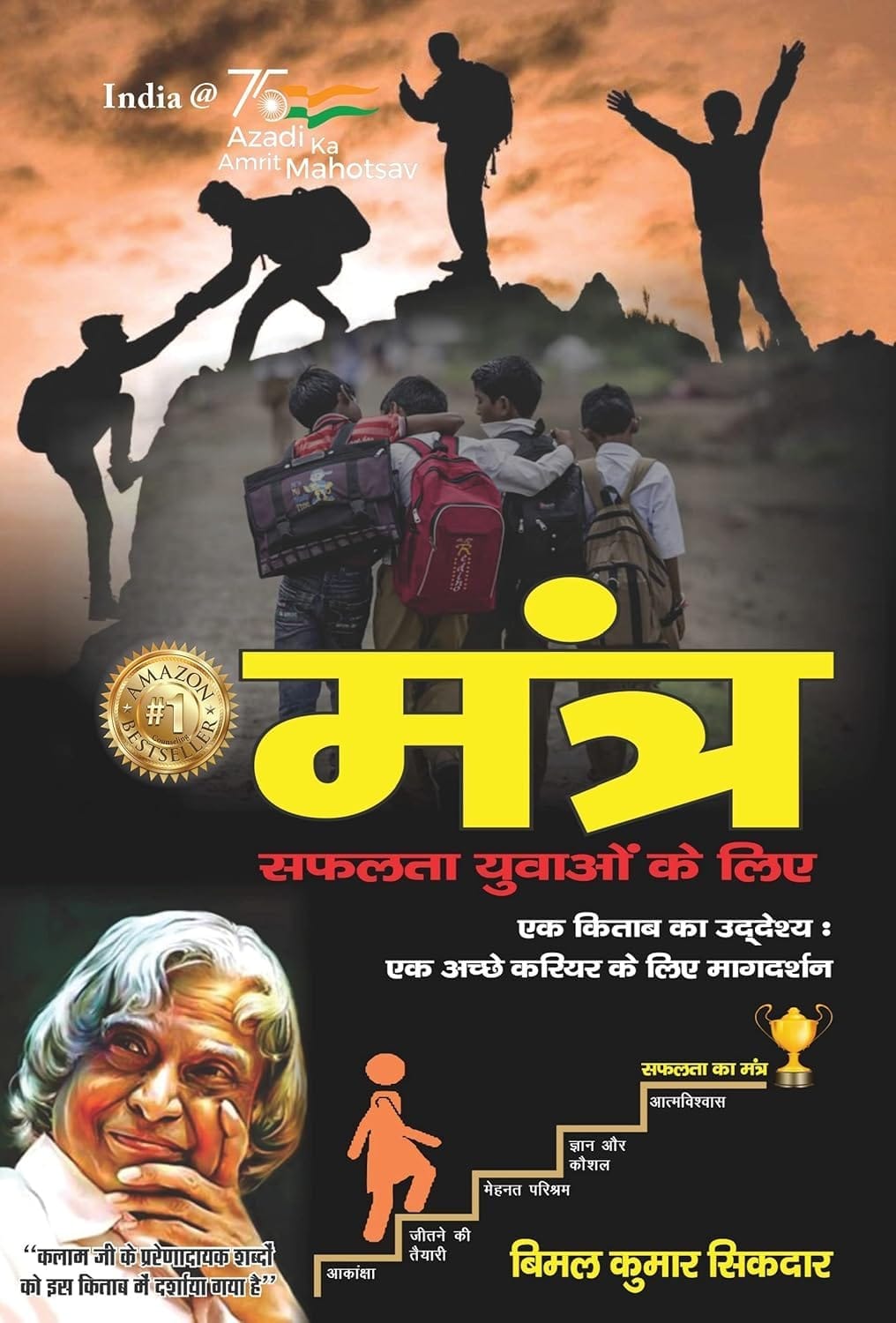
Author of 'Mantra: Safalta Yuvaao Ke Liye'
NON-FICTION
GENRE
267
NO. OF PAGES
Paperback
BINDING
Introduction
In a world where many authors chase bestseller lists and sales numbers, Bimal Kumar Sikdar stands out as someone with a deeper purpose. As an engineer who worked in various government positions after passing the challenging UPSC exam, his path to becoming an author wasn't about making money. Instead, he felt called to bridge the gap between what people think they know and what's really happening in the world.
"Writing a book begins when whatever you perceive in your world around you, if there is a gap between what you perceive and what actually you are seeing," Sikdar explains. This thoughtful approach has shaped not just his writing but his entire view on sharing knowledge with others.
With experience working in multiple government departments up to the central ministry level, Sikdar brought real-world wisdom to his writing. His strong education from IIT Kharagpur and training in public policy management gave him special insights into how things really work.
His approach challenges common beliefs about writing books. He believes true knowledge shouldn't be limited by what will sell in the market. This philosophy has guided his writing journey and offers valuable lessons for anyone who wants to write something meaningful.
Sikdar's shift from government officer to author represents more than just a career change – it shows a mission to share wisdom gathered over decades of public service. His story proves how expertise in one field can be turned into valuable books that help others.
ACTIONABLE INSIGHTS:
Start noticing gaps between what people believe and what's actually happening in your field
Keep a "gap journal" where you write down these differences when you spot them
Ask yourself: "What knowledge do I have that others might benefit from?"
Begin collecting your unique insights, even before you're ready to write a book
Set aside 15 minutes each week to reflect on what you've learned that others might not know
The Pre-Author Life
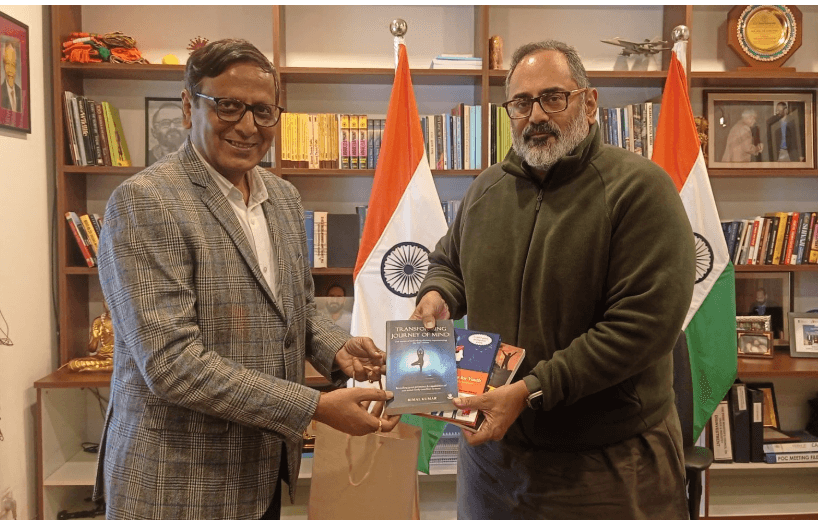
Before he started writing books, Bimal Kumar Sikdar built an impressive career in government service that laid the groundwork for his future writing. "I am a qualified engineer and I have worked in the government job after clearing UPSC," he shares, describing work that touched many important areas of Indian governance.
His professional journey included:
Working on engineering projects throughout India
Implementing public policies
Developing infrastructure
Managing power projects
Taking on responsibilities at the central ministry level
His education shaped how he thinks and solves problems:
Engineering degree from the prestigious IIT Kharagpur
Advanced training in public policy management from Bangalore
Continuous learning throughout his career
Building expertise across multiple fields
Gaining deep understanding of how government works
This wide range of experience gave him unique insights into governance and development. Working at different levels of government helped him fully understand how policies move from ideas to actions that affect people's daily lives.
"I have worked on transfer liability... I have worked in the public policy field in engineering, infrastructure development," he notes, highlighting how broad his experience was.
This extensive background later proved invaluable when writing books full of real, experience-based wisdom rather than theoretical ideas.
ACTIONABLE INSIGHTS:
Make a list of your unique work experiences that few others have had
Create a "knowledge inventory" of your specialized skills and insights
Connect with people outside your field to understand how your expertise looks to others
Document lessons learned from challenges you've overcome in your career
Practice explaining complex ideas from your field in simple terms that anyone can understand
The Trigger Point
Bimal Kumar Sikdar didn't decide to write because of market research or hopes of making money. Instead, he was driven by something deeper – seeing differences between what people think is happening and what's really going on. "The beginning of writing a book is when whatever you perceive in your world around you if there is a gap between what you perceive and what actually you are seeing," Sikdar explains.
This thoughtful approach to writing came from:
Noticing problems in society that others missed
Recognizing where people needed knowledge
Understanding what the public believes versus reality
Identifying areas that could be improved
Seeing opportunities for positive change
"Before writing, thinking starts. Some differential thinking," he emphasizes, describing how authentic content begins. This approach is very different from writing just to sell books, focusing instead on:
Developing original thoughts
Identifying important gaps in knowledge
Exploring possible solutions
Bringing together knowledge from different sources
Expressing genuine insights
The trigger wasn't one single moment but a gradual realization that his unique perspectives and experiences could help others.
"When you get that feeling, then only you get the originality. And that is the critical point when it takes shape," he reflects.
ACTIONABLE INSIGHTS:
Set aside quiet time each week for "differential thinking" about your field
Start a "gap list" of misconceptions you notice in your area of expertise
Ask five people outside your field what they believe about your work area
Begin writing short pieces that address these gaps, even before planning a book
Find a thinking partner who can help you explore where your unique perspectives differ from common beliefs
Choosing the Topic
For Sikdar, picking a topic wasn't about researching the market or trying to make money. Instead, he focused on finding where knowledge was missing and how his experience could fill those gaps. His approach challenges common ideas about how to choose what to write about.
"If you have some very distinct feeling or thoughts about some subject which is different than what you are thinking, then you must start contemplating on it," he advises. This thoughtful approach involves:
Deep reflection on what you've observed
Analysis of your personal experiences
Finding gaps in knowledge
Understanding what society needs
Confirming your unique perspectives
He makes an important distinction between different kinds of writing: "In blog and book, in blog you write an instant mood, instant feeling of your thing. Not studying on anything. Book is something which is a consolidation of all your learning for a longer period of time."
His criteria for choosing topics emphasizes:
Topics that will matter for years to come
Deep understanding of the subject
Personal expertise
Impact on society
Bringing together knowledge
"I don't agree with their thoughts," he says about publishers who focus mainly on what will sell. "They first determine the market and then the thoughts. Actually, it is not like that. Thinking, thought and mind will determine the market. Not market will decide otherwise."
ACTIONABLE INSIGHTS:
Spend time daily reflecting on questions that keep coming back to you
Create a "topic testing journal" where you write about potential subjects
Ask yourself: "What knowledge do I have that would still be valuable 10 years from now?"
Notice which conversations make you most passionate - these might indicate good book topics
Test your ideas by writing short articles before committing to a full book
The Writing Journey
Sikdar's approach to writing shows his belief in letting knowledge develop naturally rather than forcing content creation. His process emphasizes being genuine and allowing ideas to grow organically.
Key aspects of his writing approach:
Starting with core thoughts
Allowing ideas to expand naturally
Staying focused while letting ideas flow
Balancing structure with creativity
Making sure the message is clear
"First you write," he explains. "It is possible that we may be writing two or three pages or one page even. Then after that, when we think more it, we got our own thoughts." This natural approach allows for:
Ideas to develop naturally
Genuine expression
Deep exploration
Content that evolves
Message refinement
He emphasizes the importance of finding balance: "If we leave it open-ended, then we will not be able to write a book. And if we close it, its originality will not come." His solution involves:
Creating a flexible framework
Guided creativity
Structured freedom
Gradual improvement
Organic growth
ACTIONABLE INSIGHTS:
Begin with a simple outline but allow it to evolve as you write
Set a daily writing goal of just 15-30 minutes to build momentum
Create a "thought capture system" to record insights whenever they occur
After writing, step away for at least a day before reviewing your work
Read your writing aloud to test if it flows naturally and sounds like you

Marketing and Branding
Unlike typical marketing strategies, Sikdar focuses on the value of content rather than aggressive promotion. His approach centers on connecting authentically with readers by sharing meaningful content.
Content-First Strategy: "You should not put the book buying thing, but you should put the content of the book, there is something in that content, we should put that." His approach includes:
Promotion that focuses on content
Active social media presence
Integrating with blogs
Sharing knowledge freely
Building an audience naturally
Platform Utilization:
Creating YouTube content
Engaging on Instagram
Developing blog content
Repurposing content for different platforms
Building a community of readers
His measure of success goes beyond sales: "If my Quora platform has 4 lakh people who have seen it, that itself gives me satisfaction. Its commercial aspect is something different."
ACTIONABLE INSIGHTS:
Create a content calendar to share valuable insights consistently
Select 2-3 platforms where your potential readers spend time
Share free valuable content regularly before mentioning your book
Build relationships with readers by responding to comments and questions
Measure success by impact (comments, shares, messages) rather than just sales
The Business Impact
According to Sikdar, the impact of writing goes far beyond how many books you sell. It creates deep changes in both the author and the readers. This perspective offers a unique view of the true value of being an author.
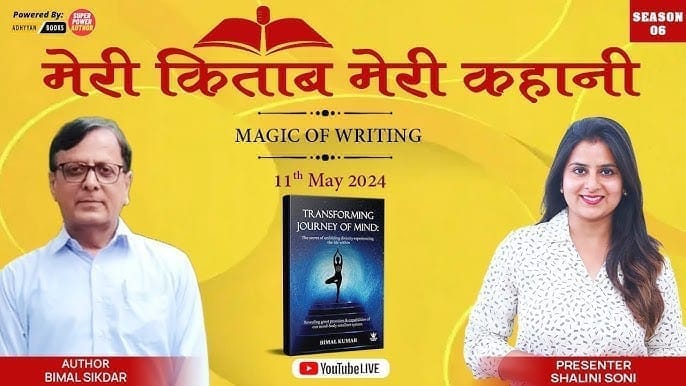
Personal Transformation: "The biggest thing is that I have written the book Transforming Journey of Mind, but before that I have to transform myself. Then only I can write a book on that," he reflects. This transformation shows up as:
Deep personal growth
Better understanding
Clearer perspectives
Well-formed thoughts
Enriched knowledge
Writing Impact: "Writing a book without transformation, I think, is not possible." He emphasizes that authentic writing requires:
Complete immersion in the subject
Personal growth
Deep reflection
Genuine insight
Lived experience
Knowledge Scale: "He must have come out of 120 pages, but before that he must have come out of thousands of pages." This insight reflects the extensive preparation and learning required to write something truly meaningful.
ACTIONABLE INSIGHTS:
Before writing, document how your thinking on the topic has evolved over time
Keep a "transformation journal" throughout your writing process
Interview people who have been changed by knowledge similar to what you'll share
Practice articulating how working on your book has changed you
Create a simple system to collect reader stories of how your content impacted them
Final Advice for Aspiring Authors
Drawing from his experience, Sikdar offers unique guidance that challenges common beliefs about writing and publishing. His advice focuses on sharing authentic knowledge rather than chasing commercial success.
Core Principles:
Follow Original Thinking: "If you have some very distinct feeling or thoughts about some subject... you must start contemplating on it."
Let Knowledge Lead: "Knowledge will flow when knowledge will dictate the market. This is a universal law."
Focus on Content Quality: "The person who is writing, he must have come out of thousands of pages."
Practical Guidelines:
Start with genuine insights
Allow natural development
Stay authentic
Focus on creating value
Embrace personal transformation
ACTIONABLE INSIGHTS:
Schedule weekly "original thinking time" with no distractions
Start a reading habit across diverse subjects to enrich your knowledge base
Create a personal "writing manifesto" that prioritizes authentic knowledge sharing
Find an accountability partner who values depth over commercial success
Begin sharing your insights in small formats before attempting a full book
Conclusion
Bimal Kumar Sikdar's journey from government service to author shows a different path to writing success – one that puts sharing knowledge and authentic expression ahead of market demands. His approach challenges typical publishing wisdom while offering valuable insights for people who want to write meaningful books.
Key Takeaways:
Real writing comes from genuine insights
You must transform yourself before you can write transformative content
Knowledge sharing should drive publishing decisions
Content value matters more than commercial success
True impact happens through reader transformation
His story proves that successful authorship isn't just about selling books but about creating meaningful impact through knowledge sharing. As he emphasizes, "Knowledge has to flow," and authors play a crucial role in making this happen.
For future authors, his journey offers an inspiring alternative to market-driven writing. It shows how dedication to authentic knowledge sharing can create meaningful books that benefit society while transforming both the author and readers along the way.
ACTIONABLE INSIGHTS:
Define success for your writing project in terms beyond sales numbers
Create a simple "knowledge flow map" showing how your expertise can help others
Write a personal mission statement for your authorship journey
Identify three ways your unique background gives you valuable perspectives to share
Start a small practice group where you can begin sharing your knowledge verbally

Annual Membership Regular
Price Rs. 9980/-
(One-Time-Offer Only ₹499/-)
Unlock the secrets of Bestselling Authors
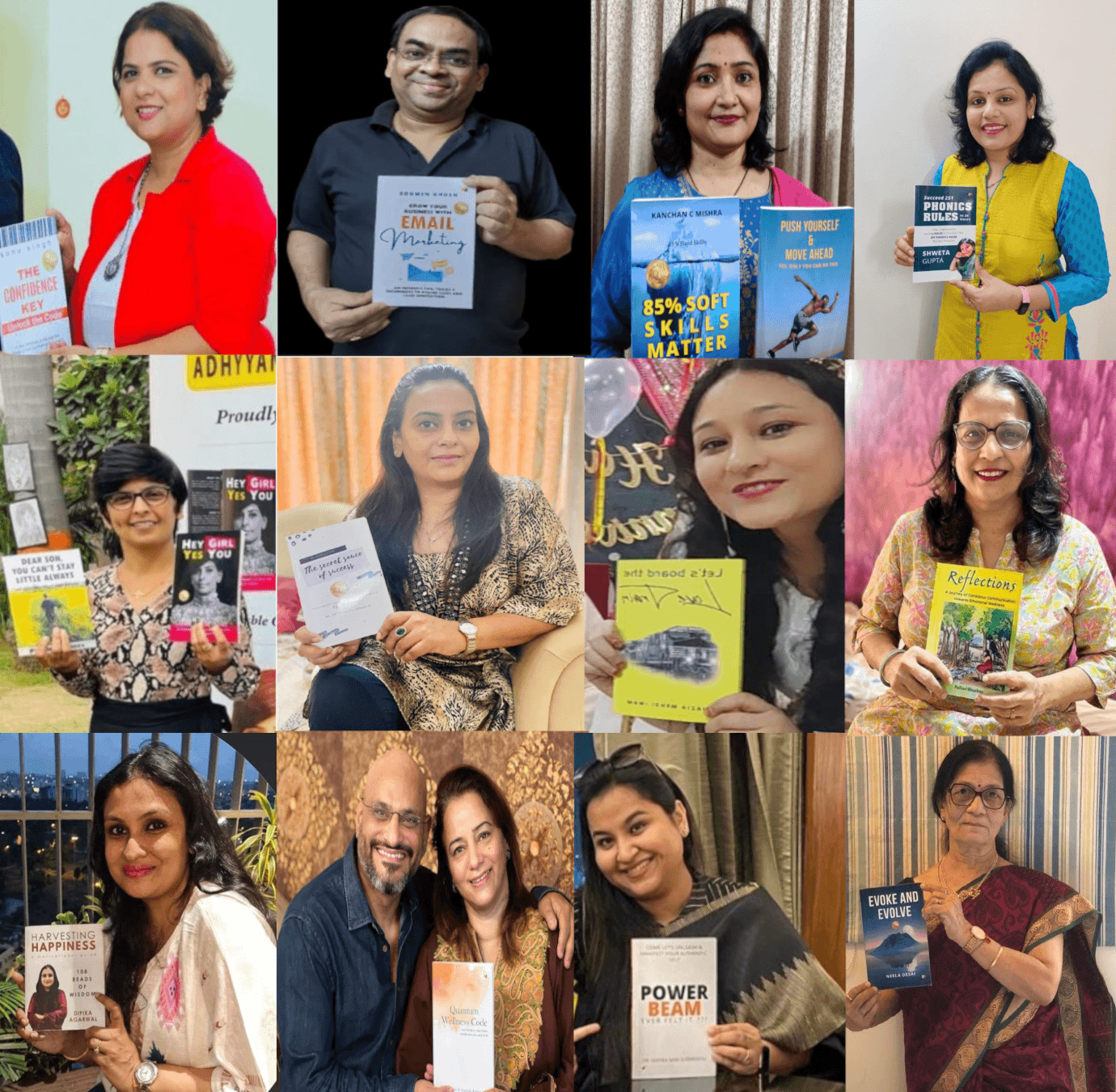
📘 Over 100 more case studies like these...
We Have Been Featured In..
 Unlock all case studies

All Case Studies

Followers
11000+

Followers
8439

Subscribers
11100+

Groups
500+
LAXIMUS BUSINESS VENTURES PRIVATE LIMITED