contact@adhyyanbooks.com | +91-9986728203









All Case Studies

LAXIMUS BUSINESS VENTURES PRIVATE LIMITED
How a Retired Executive Built a Regular Passive Income Source through his Book

Anil G Rane
NON-FICTION
GENRE
142
NO. OF PAGES
Paperback
BINDING
At 66, when most people settle into a quiet retirement, Anil transformed his decades of financial expertise into a thriving writing career, creating a bestseller that continues to generate passive income two years after publication. His mutual fund investment guide consistently ranks among Amazon's top 20-25 bestsellers in economics and macroeconomics categories, proving that it's never too late to start a new chapter in life.
Who is Anil?
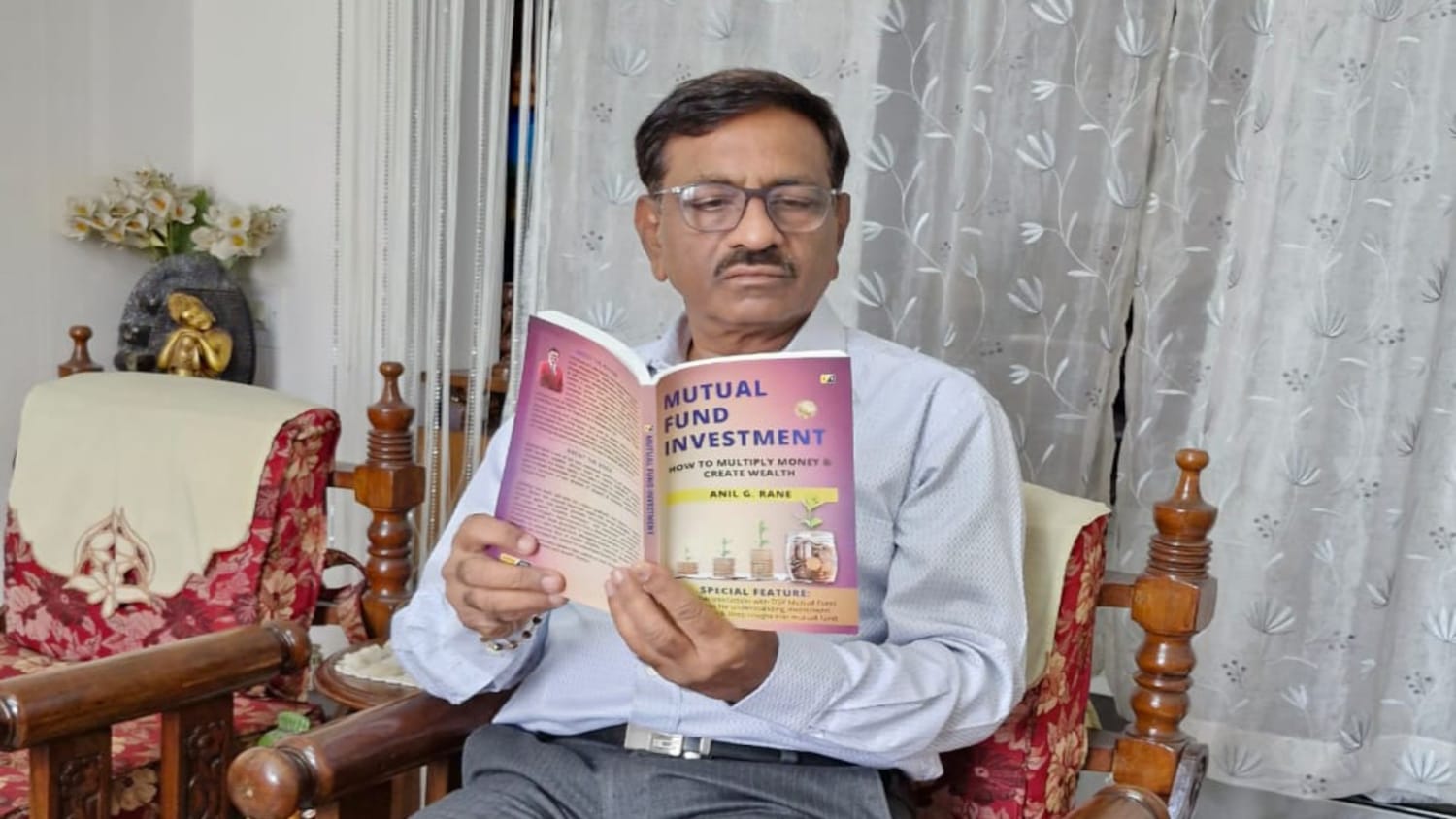
Behind every successful book lies a story of transformation, and Anil's journey from corporate executive to bestselling author is nothing short of inspiring. With 35 years in the corporate sector, including more than two decades as a supply chain head, Anil had climbed to the peak of his professional career, overseeing five international plants as a global supply chain head.
Armed with a B.E. in Mechanical Engineering and an MBA, his techno-commercial background seemed far removed from the world of writing. However, it was his parallel journey in mutual fund investments, spanning 24 years since 2000, that would eventually pave the way for his literary success.
"I was managing a substantial portfolio of my own," Anil recalls, his eyes lighting up as he speaks about his investment experience. "Over the years, I had developed a deep understanding of the market, but I never imagined this knowledge would lead me to become an author."
The Spark That Ignited a Writing Career
The seed for Anil's first book was planted in the most unexpected way. While managing his own investment portfolio, he found himself increasingly becoming the go-to person for friends and relatives seeking financial advice. "People would come to me with questions about fund selection, redemption strategies, and investment planning," he shares.
Initially, Anil thought of creating a simple note sheet - a basic guide that would help people understand his investment advice better. "I thought I'd finish it in 5-6 pages," he chuckles. "Just something to hand out when people asked for guidance."
But as he began writing, something unexpected happened. The content kept growing organically:
- From 5-6 pages to 40-50 pages
- Then expanding to 70-80 pages
- Finally crossing the 100-page mark
"When it reached 100 pages, I realized this was no longer just a guide - it was becoming a book," Anil reflects. "I had 20 years of knowledge in my head, and once I started putting it on paper, the content just flowed naturally."
"I had 20 years of knowledge in my head, and once I started putting it on paper, the content just flowed naturally "
Why Mutual Funds as the First Book?
In the vast ocean of potential topics, Anil's choice of mutual funds for his debut book was no coincidence. His decision was driven by two crucial factors that would later prove instrumental in his book's success:
1. Deep Personal Expertise
- 24 years of hands-on investment experience
- Successfully managing a large personal portfolio
- Real-world understanding of market dynamics
- Practical knowledge of common investor challenges
- First-hand experience with various market cycles
2. Growing Market Demand
- Surge in mutual fund interest over the past 7-8 years
- Rising awareness among younger generations
- Increasing need for simple, clear investment guidance
- Growing trend of financial literacy in India
- Shift from traditional savings to market investments
"I noticed that everyone, from college students to retirees, wanted to learn about mutual funds," Anil explains. "But most available resources were either too technical or too superficial. I saw an opportunity to bridge this gap."
The Writing Journey: From Concept to Completion
The Writing Phase: Building the Foundation
Anil's approach to writing was as methodical as his corporate career had been. Setting aside 4-5 hours daily, he embarked on a structured writing schedule that would eventually span five months. However, the real journey was just beginning.

1. Dedicated Time Management
- Fixed 4-5 hours daily writing schedule
- Early morning sessions for maximum productivity
- Consistent daily progress tracking
- Regular breaks to maintain freshness
- Weekend reviews of weekly progress
2. Content Organization
- Systematic chapter planning
- Topic-wise content segregation
- Logical flow development
- Real-world example integration
- Progressive complexity management
The Editing Phase: Polishing the Diamond
"A manuscript is like a raw diamond," Anil emphasizes. "Writing gives you the diamond, but editing is where you cut, polish, and make it shine."
His editing process involved multiple stages:
1. Initial Self-Editing
- Content organization and restructuring
- Removal of redundant information
- Flow improvement
- Clarity enhancement
- Fact verification
2. Technical Tools Integration
- Using Grammarly for basic corrections
- Employing specialized editing software
- Checking readability scores
- Ensuring consistent formatting
- Verifying technical accuracy
3. Human Review Process
- Family member feedback for readability
- Expert consultation for technical accuracy
- Peer review for content relevance
- Test readers for understanding level
- Incorporating diverse perspectives
4. Final Refinement
- Simplifying complex sentences
- Enhancing flow and readability
- Adding clarifying examples
- Updating current information
- Final proofreading
The Publishing Journey: Choosing the Right Path
Why Self-Publishing Won
When it came to publishing, Anil faced the classic dilemma: traditional publishing or self-publishing? His research revealed some surprising facts that influenced his decision:
1. Market Reality Check
- 99% rejection rate by traditional publishers
- Long waiting periods for responses
- Limited creative control
- Rigid formatting requirements
- Uncertain timeline to publication
2. Inspiring Success Stories
- Amish Tripathi's self-publishing success
- Robin Sharma's initial self-published works
- Harry Potter's 13 initial rejections
- Modern self-publishing success rates
- Growing acceptance of self-published works

Marketing Mastery: The Secret to Sustained Success
Perhaps the most remarkable aspect of Anil's success is his marketing strategy - or rather, the lack of traditional marketing spending. "I haven't spent a single rupee on marketing," he reveals proudly. Instead, his success relies on several carefully planned elements:
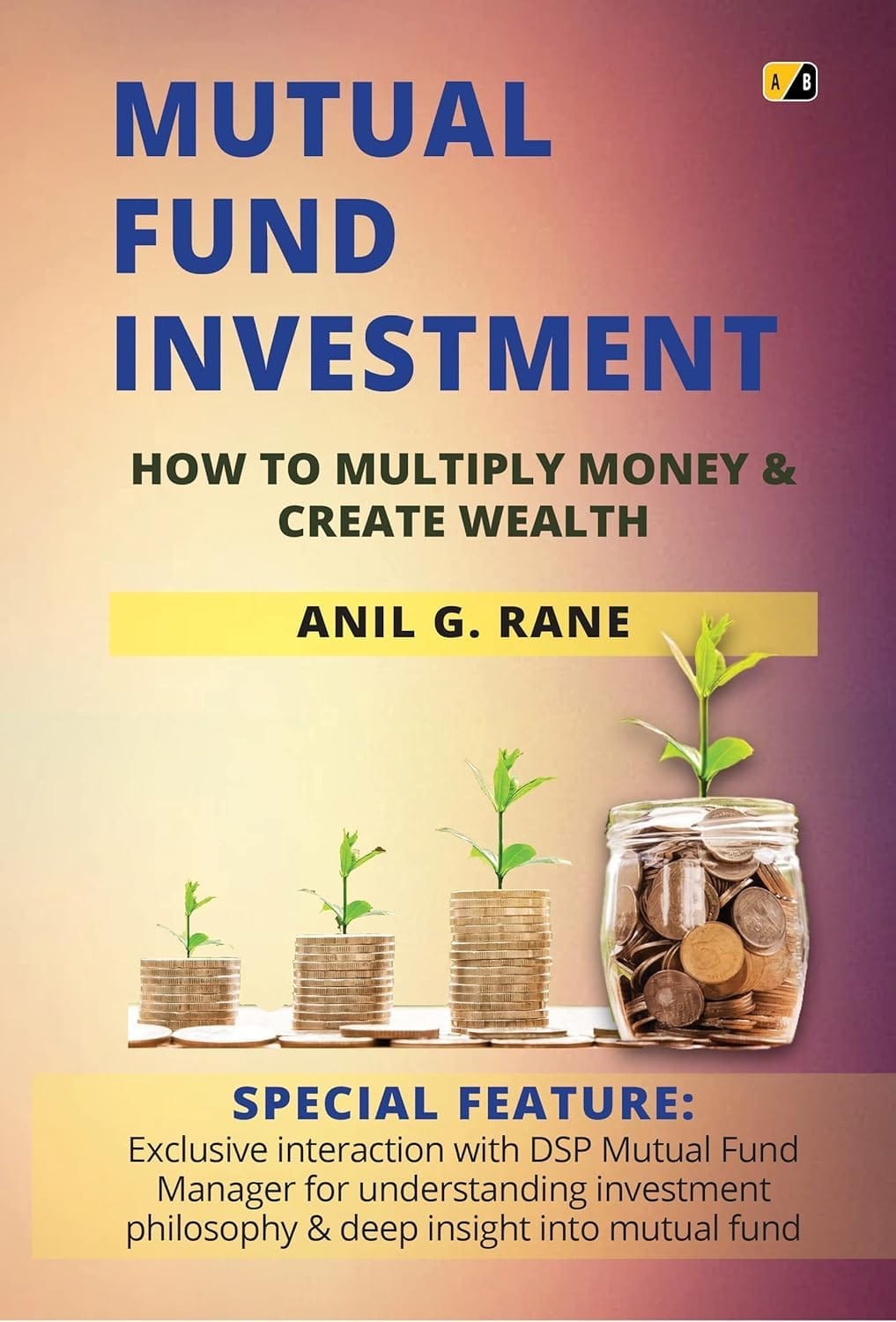
1. Strategic Title Selection
- Keyword Integration
- Primary keywords: Mutual Fund, Investment
- Secondary keywords: Money, Wealth
- Search-optimized phrasing
- Clear value proposition
- Easy discoverability
2. Cover Design Excellence
- Visual Appeal
- Professional design elements
- Clear typography
- Engaging color scheme
- Balance of text and space
- Genre-appropriate styling
3. Back Cover Optimization
- Content Strategy
- Compelling book description
- Clear value proposition
- Author credentials
- Reader benefits
- Call to action
4. Reader-Centric Content Approach
- Accessibility
- Simple, clear language
- Relatable examples
- Practical applications
- Step-by-step explanations
- Real-world scenarios
5. Amazon Sample Optimization
- First Impression Impact
- Engaging introduction
- Clear chapter structure
- Value demonstration
- Reading flow
- Hook creation
The Power of Organic Reviews
With 194 verified reviews and an impressive 88% being 4-5 stars, Anil's book has built significant social proof.
"I receive 7-8 genuine reviews every month," he notes. This consistent flow of positive feedback creates a virtuous cycle:
1. Review Generation
- Natural reader engagement
- Genuine feedback
- Consistent monthly additions
- Quality over quantity
- Organic growth
2. Impact on Sales
- Enhanced credibility
- Improved visibility
- Better conversion rates
- Sustained rankings
- Word-of-mouth promotion
Blueprint for Aspiring Authors
Based on his experience, Anil offers concrete advice for others looking to follow in his footsteps:
1. Knowledge Monetization
- Identify your area of expertise
- Assess market demand
- Define target audience
- Plan content structure
- Develop unique angles
2. Content Development
- Focus on simplicity
- Use relatable examples
- Maintain consistent quality
- Include practical applications
- Create engaging narratives
3. Publishing Preparation
- Research publishing options
- Prepare required materials
- Plan launch strategy
- Set realistic timelines
- Build support network
4. Marketing Strategy
- Optimize for organic growth
- Build authentic reviews
- Leverage existing networks
- Create valuable content
- Monitor and adapt
A Message for Retirees: It's Never Too Late
Professional Benefits
Anil's success story carries a powerful message for retirees. "Since I started writing and publishing books, my life has changed completely," he reflects. The benefits he's experienced include:
1. Financial Security
- Steady passive income stream
- Growing royalty payments
- Long-term earning potential
- Portfolio diversification
- Financial independence
2. Intellectual Engagement
- Continuous learning
- Mental stimulation
- Knowledge sharing
- Creative expression
- Professional growth
Personal Benefits
1. Social Impact
- Enhanced respect in society
- New professional identity
- Meaningful contributions
- Legacy creation
- Community engagement
2. Personal Fulfillment
- Sense of achievement
- Continued productivity
- Creative satisfaction
- Purpose in retirement
- Life-long learning
Looking Ahead: The Future of Retirement Careers
Anil's journey from corporate executive to successful author demonstrates that retirement can be a beginning rather than an end. "Every retired person should consider writing a book," he advises." We have the time, the experience, and the wisdom - all we need is the determination to begin."
His success proves that:
- Age is no barrier to starting a new career
- Experience can be transformed into valuable content
- Retirement can be professionally fulfilling
- Passive income streams are achievable
- Knowledge sharing creates lasting impact
For those contemplating a similar journey, Anil's parting advice is simple: "Start writing. Your knowledge is valuable, and there's an audience waiting to learn from your experience."

Annual Membership Regular
Price Rs. 9980/-
(One-Time-Offer Only ₹499/-)
Unlock the secrets of Bestselling Authors
📘 Over 100 more case studies like these...
We Have Been Featured In..
 Unlock all case studies

All Case Studies

Followers
11000+

Followers
8439

Subscribers
11100+

Groups
500+
LAXIMUS BUSINESS VENTURES PRIVATE LIMITED